Home > Nickel Alloy > Nickel Alloy 201 Coils
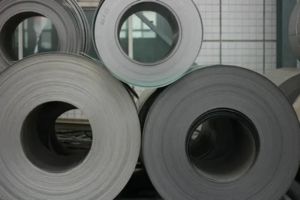
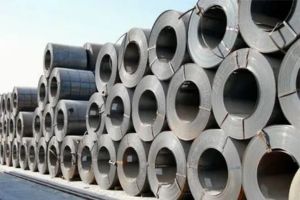
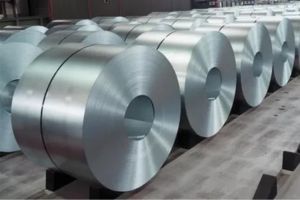
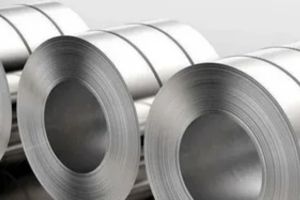
Nickel Alloy 201 Coils are exceptionally adaptable materials celebrated for their outstanding corrosion resistance, high temperature tolerance, and Exceptional mechanical strength. Made up chiefly of nickel together with small amounts of alloying elements like copper, manganese, and iron, these coils deliver Excellent defense against a wide range of corrosive substances, including acids, alkalis, and salt-laden environments. Nickel Alloy 201 Coils are distinguished by their superior resistance to caustic alkaline solutions and reducing chemicals, rendering them Essential in chemical processing industries. Furthermore, their strong mechanical characteristics make them well-suited for use in aerospace, oil and gas, marine, and other demanding settings where dependability and performance are critical. Known for their reliability and long service life, Nickel Alloy 201 Coils are the favored option for rigorous industrial applications across the globe.
| Grade and Specification | ASTM B162 / ASME SB162 |
Different Thickness | 0.1 – 12 mm Thk |
| Various Surface Condition | 2D, Cold rolled sheet (CR), 2B, BA NO(8), SATIN, Hot rolled plates (HR) |
| Hardness of Alloy 201 Plates | Half Hard, Quarter Hard,Spring Hard, Hard, Soft etc |
| Stock Sizes | 1000 mm x 2000 mm, 1500 mm x 3000, 2000 mm x 4000 mm, 1220 mm x 2440 mm, 2000 mm x 2000 mm mm |
| Supply in Form | Rolls, Foils, Flats, Coils, Ring (Flange), Strip, Shim Sheet, Blank (Circle), Plain Sheet |
| Melting Point | Yield Strength (0.2%Offset) | Density | Tensile Strength | Elongation |
| 1446 °C (2635 °F) | Psi – 21500 , MPa – 148 | 8.9 g/cm3 | Psi – 67000 , MPa – 462 | 45 % |
| Grade | Mn | Cu | Ni | Si | C | S | Fe | Cr |
| 201 | 0.35 max | 0.25 max | 99.0 min | 0.35 max | 0.15 max | 0.01 max | 0.40 max | – |
At Sumakhsteel, we take great pride in being the largest supplier and manufacturer in the USA, delivering advanced solutions for every one of your piping requirements. With cutting-edge manufacturing facilities strategically positioned across the USA, we maintain an extensive stock of more than 25,000 tons of top-grade materials kept ready in inventory.
Reach out to us for a fast quote tailored to your requirement.
We supply these Nickel Alloy 201 Coils in compliance with DIN, ISO, JIS or ANSI Standard.
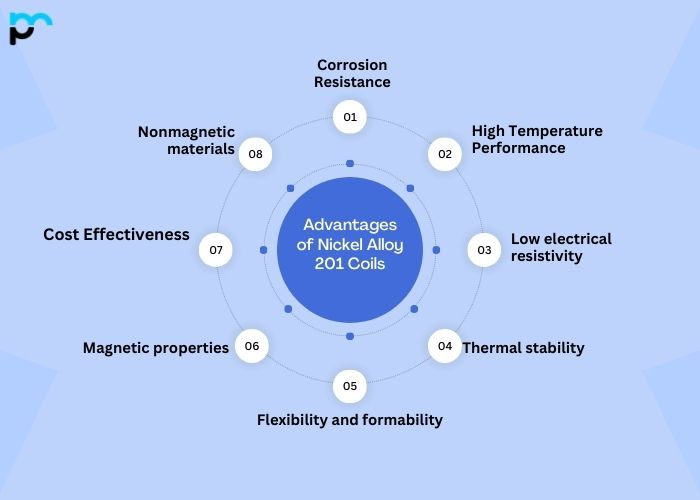
Corrosion Resistance: Nickel Alloy 201 offers outstanding resistance to a range of corrosive substances, such as acids, alkalis and salt water. This quality makes it well-suited for uses involving corrosion, like chemical processing and marine settings.
High Temperature Performance: It possesses high mechanical temperature, which makes it appropriate for uses where exposure to elevated temperatures is a concern, such as in heat exchanger and furnace components
Low electrical resistivity: Nickel alloy 201 shows low electrical conductivity, rendering it valuable for uses that call for low conductivity, like electrical and electronic components.
Thermal stability: It retains its mechanical properties across a broad temperature range, delivering excellent thermal stability. This characteristic is beneficial in uses involving thermal cycling or temperature fluctuations.
Flexibility and formability: Nickel alloy 201 coils can be produced in a variety of shapes and sizes without sacrificing their mechanical properties. This Aflexibility permits complex design and optimization within manufacturing processes.
Magnetic properties: The nickel alloy is ferromagnetic at room temperature 201, which can prove useful in certain applications where magnetic properties matter, such as electromagnetic devices and magnetic shielding
Cost Effectiveness: When compared to some other nickel-based alloys, Nickel Alloy 201 is cost-effective, providing cost savings without sacrificing performance in many applications
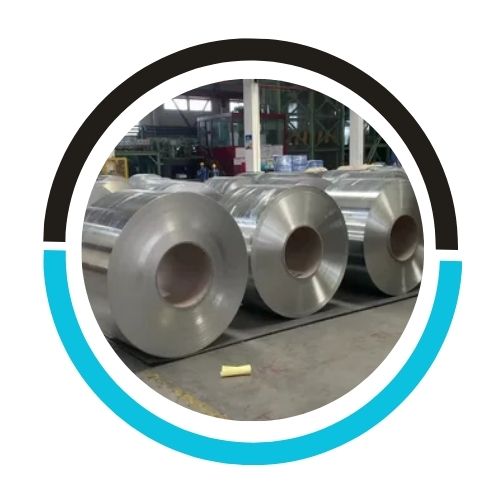
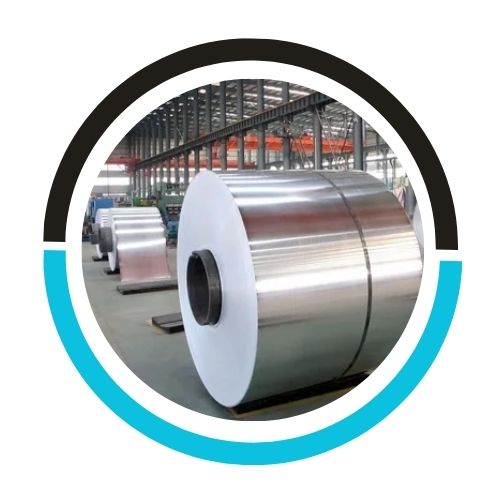
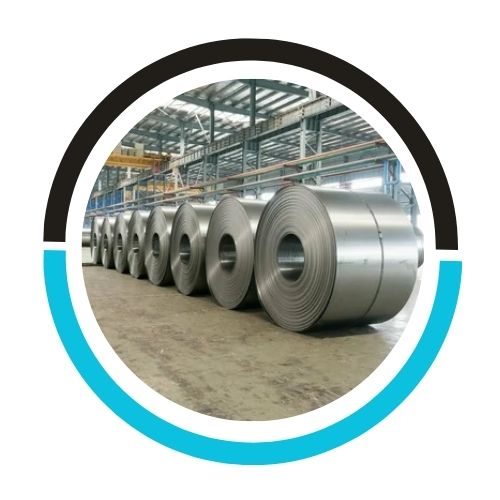
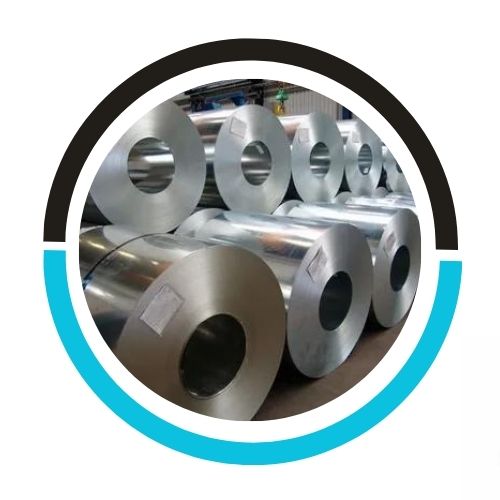
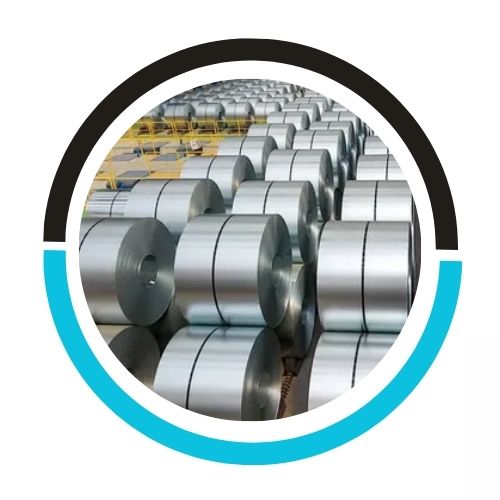
Nickel Alloy 201 Coils have applications as varied as the industries they support, led chiefly by the aerospace, railway, construction and automotive industries along with petrochemical, nuclear, medical, Oil & Gas, Chemical, Pharmaceutical, Food & Beverage, Nuclear, Thermal Power plants, Paper and Pulp, marine and mining, etc.
Chemical applications: Nickel alloy 201 coils are frequently employed in medical equipment thanks to their corrosion resistance and ability to withstand high ambient temperatures. They serve in reactors, molds and piping systems.
Electronics: Nickel alloy 201 coils are applied in the electronics sector, particularly in products that demand corrosion resistance and tolerance to high temperatures, such as heating elements, resistor leads and circuit breakers
Aerospace Industry: Nickel alloy 201 coils are applied in components operating in high-stress settings, extreme temperatures, and corrosive atmospheres. Examples include turbine engines, fuels and aircraft system components.
Oil and Gas Industry: Nickel alloy 201 coils are utilized in the oil and gas sector for equipment subjected to hot weather, elevated temperatures and pressures, and they are found in downhole tubing, pipelines and valves.
Automotive Sector: Nickel alloy 201 coils are applied in automotive uses that call for corrosion resistance and high-temperature tolerance, such as in exhaust systems, catalytic converters and sensors.
Medical devices: Within the medical field, nickel alloy 201 coils are used in devices that call for biocompatibility, corrosion resistance and high strength. These include surgical devices, implants and medical devices.
Power generation: Nickel alloy 201 coils are employed in power generation equipment, such as gas turbines, steam turbines and nuclear reactors, owing to their corrosion resistance and ability to handle high temperature and pressure
Food Processing: Nickel alloy 201 coils are used in food processing equipment that requires resistance to corrosion and cleaning, such as heat exchangers, food packaging and food processors
Understand your application: Identify the purpose for which the coils are required. Will they be used in tropical, tropical, or electromagnetic fields?
Corrosion resistance: Nickel alloy 201 is recognized for its outstanding resistance to corrosion. This option may work well if your application involves corrosive materials like acids, alkalis, and seawater. Even so, take into account the corrosion resistance suited to your specific environment.
Temperature resistance: Nickel alloy 201 offers superb thermal conductivity, which makes it well-suited for high-temperature uses. Take into account the temperature of your coils and confirm that the alloy can endure it without notable wear.
Mechanical properties: Identify the properties that matter to your application, including tensile strength, capacitance, and length. Nickel alloy 201 contains a very low amount of carbon, which accounts for its hardness and durability.
Compatibility: Confirm that the compound works well with other parts in your system to prevent problems like galvanic corrosion.
Size and Form: Establish the size and type of coils needed according to your application and design specifications. Nickel alloy 201 coils come in various sizes, widths and lengths.
Quality and standards: Select coils that meet applicable industry standards and quality certifications to guarantee accuracy and dependable performance.
Supplier Reputation: Opt for a trustworthy supplier with a track record of delivering high-quality nickel alloy products. Weigh factors such as reliability, customer service, and uptime.
Nickel Alloy 201 coils are typically unsuitable for hygienic and sanitary uses because of their susceptibility to corrosion under specific conditions. In these cases, stainless steel or other corrosion-resistant alloys are the better choice to guarantee that top cleanliness and safety requirements are satisfied.
Nickel Alloy 201 coils are frequently used in cryogenic applications thanks to their outstanding low-temperature characteristics, such as high ductility and low magnetic permeability. These properties make them well-suited for cryogenic settings where materials need to preserve stability and performance at exceptionally low temperatures.
For joining Nickel Alloy 201 coils, welding methods like gas tungsten arc welding (GTAW/TIG) and gas metal arc welding (GMAW/MIG) are frequently advised. These methods provide accurate control throughout the welding process, reducing the chance of introducing defects and guaranteeing high-quality welds in Nickel Alloy 201.
When installing Nickel Alloy 201 coils, considerations should include careful handling to prevent damage, measures for corrosion protection, compatibility with adjacent materials, and following the manufacturer’s specifications for temperature and pressure limits. Paying attention to these aspects guarantees the coils deliver optimal performance and last longer across a range of applications.
Contact Us: +91 7208967217
Email: sales@sumakhsteel.com