Home > Nickel Alloy> Nickel Alloy Sheets and Plates
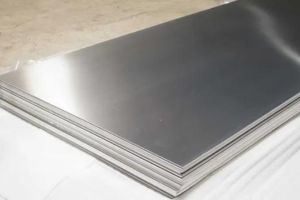
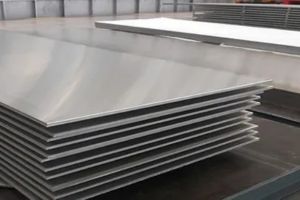
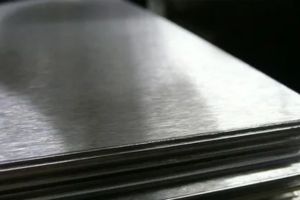
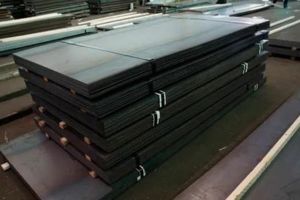
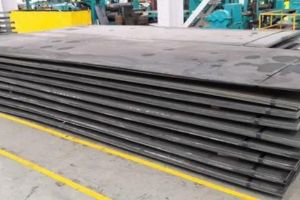
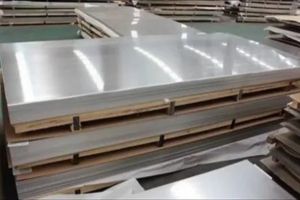
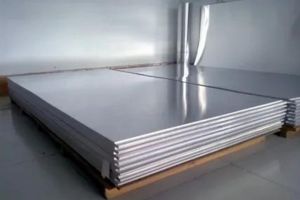
Nickel alloy Sheets and Plates are flat, thin sections of material produced from nickel-based alloys. These alloys generally include a large share of nickel, together with additional elements such as chromium, molybdenum, cobalt, and iron, among others, to improve particular properties like resistance to corrosion, strength at high temperatures, and toughness.
| Nickel Alloy Sheets & Plates Specifications | ASTM B162 / ASME SB162, BS EN 10088-2, en 10028-7, IS 6911 |
|---|---|
| Nickel Alloy Sheets & Plates Dimension Standard | MSRR, AMS, BS, JIS, AISI, ASTM, GB, DIN, EN, etc |
| Nickel Alloy Sheets & Plates Size Range | Cold rolled ASME SB162 Grade 201 Nickel Alloy Sheet 0.5-6.4 mm Hot rolled ASME SB162 Grade 200 Nickel Alloy Sheet 3.0–10.0 mm |
| Nickel Alloy Sheets & Plates Width | 1000mm, 1219mm, 1500mm, 1800mm, 2000mm, 2500mm, 3000mm, 3500mm, etc |
| Nickel Alloy Sheets & Plates Length | 2000mm, 2440mm, 3000mm, 5800mm, 6000mm, etc |
| Nickel Alloy Sheets & Plates Thickness | 0.3 mm to 120 mm |
| International Standard of Nickel Alloy Sheets & Plates | ASTM A480 ASTM A959 ASME IID EN ISO 9445 EN ISO 18286 EN 10051 EN 10088-1 ISO 15510 |
| Tolerances (width / thickness) of Nickel Alloy Sheets & Plates | EN 10258/ DIN 59381) EN 10151 ASME SB162 200 Nickel Alloy Strips EN 10088 SA -240-400 Strips |
| Finish of Nickel Alloy Sheets & Plates | 2B, 2D, BA NO (8), Cold rolled sheet (CR), Hot rolled plate (HR), SATIN (Met with Plastic Coated), No.1 finish hot rolled, 1D, 2B, No.4, BA, 8K, satin, hairline, brush, mirror etc. |
| Hardness | Half Hard, Soft, Hard, Quarter Hard, Spring Hard |
| Form | Sheet, Plate, Strip, Flats, Clad Plate, Coils, Foils, Plain Sheet, Flat Shim, Flat Sheet, Shim Sheet, Rolling Sheet, Rolling Plate, Rolls, Blank (Circle), soft annealed, descaled, tread plate, sheared, annealed, Checker Plate |
| Value Added Service | Cladding, Heat Treatment, Annealed, Pickling, Polish, Rolling, Cutting, Bending, Forging, Minor Fabrication Etc. |
| Dealers & Distributor of | SAIL, ESSAR, JINDAL, TATA, BHUSHAN, INDIAN, POSCO, JISCO, TISCO, LISCO, BAOSTEEL IMPORTED material |
| Nickel Alloy Profiling | Plasma Plate Cutting Laser Plate Cutting Oxy-propane Flame Cutting |
| Element | Ni+Co | Cu | Si | Mn | C | Mg | S | P | Fe |
|---|---|---|---|---|---|---|---|---|---|
| Nickel | 99.99 | 0.015 | 0.03 | 0.002 | 0.01 | 0.01 | 0.001 | 0.001 | 0.04 |
| Element | Density | Melting Point | Tensile Strength | Yield Strength (0.2%Offset) | Elongation |
| Nickel | 8.9 g/cm3 | 1446 °C (2635 °F) | Psi – 67000 , MPa – 462 | Psi – 21500 , MPa – 148 | 45 % |
At Sumakhsteel, we’re proud to be the largest supplier and manufacturer in the USA, delivering advanced solutions for all your piping requirements. With modern production facilities strategically situated across the USA, we maintain an extensive stock of more than 25,000 tons of top-grade materials kept ready in inventory.
Reach out to us for a fast quote tailored to your requirement.
We supply these Nickel Alloy Sheets and Plates in accordance with DIN, ISO, JIS or ANSI Standard.
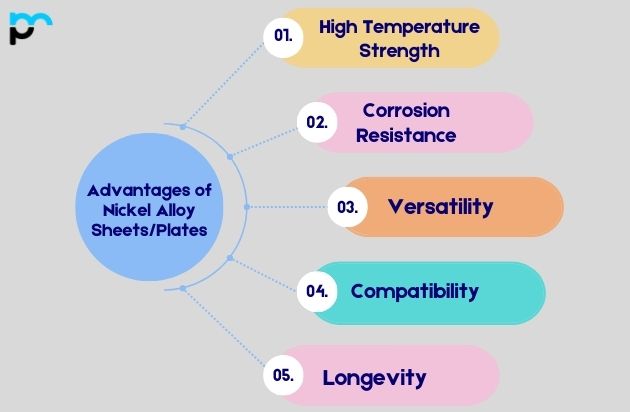
Corrosion Resistance: Nickel alloys offer strong resistance to corrosion, which makes them well suited for use in demanding settings like chemical processing plants, marine applications, and offshore oil and gas platforms.
High Temperature Strength: Nickel alloys retain their mechanical properties even at high temperatures, making them perfect for use in high-heat settings such as gas turbines, power generation, and aerospace.
Excellent Mechanical Properties: Nickel alloy Sheets and Plates display outstanding mechanical properties, such as high tensile strength, toughness, and ductility, delivering dependable performance in challenging applications.
Versatility: Nickel alloys can be customized to satisfy particular application needs by modifying the makeup of alloying elements, enabling a broad spectrum of properties and performance characteristics.
Resistance to Creep and Fatigue: Nickel alloys show resistance to creep and fatigue, enabling them to preserve their structural integrity and dimensional stability across extended periods of use.
Weldability and Fabricability: Nickel alloy Sheets and Plates are typically weldable and formable, permitting easy fabrication and assembly into intricate shapes and structures.
Compatibility: Nickel alloys work well with a broad variety of other materials, including metals, polymers, and ceramics, easing their integration into multi-material systems and assemblies.
Longevity: Nickel alloy Sheets and Plates provide long-term durability and reliability, leading to a longer service life and lower maintenance needs for industrial equipment and components.

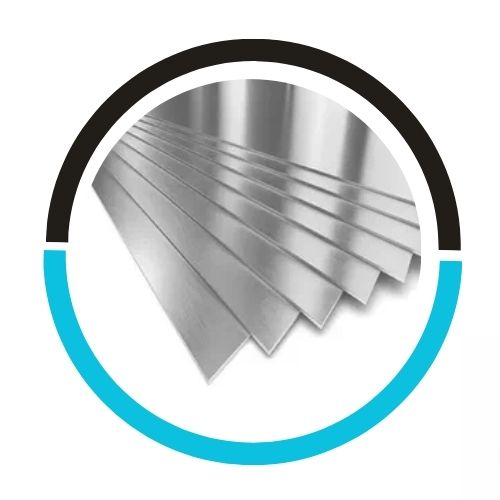
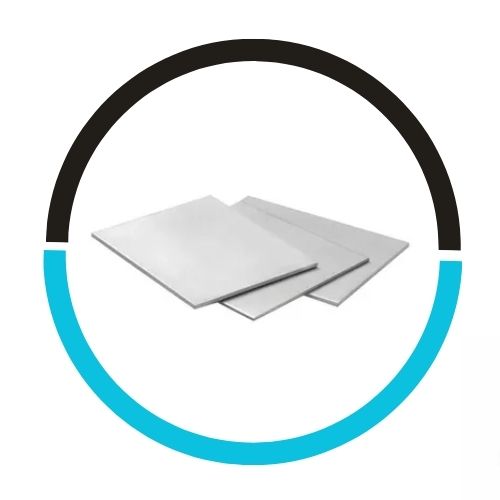
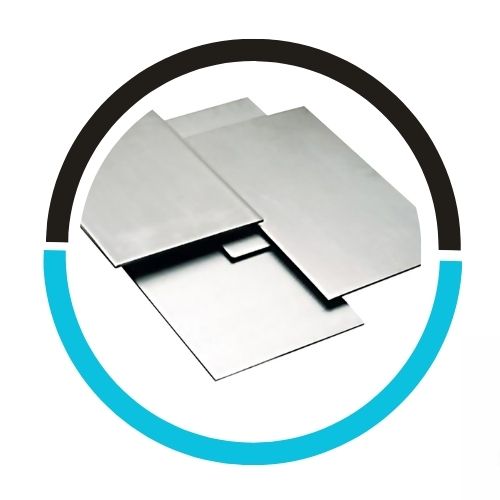
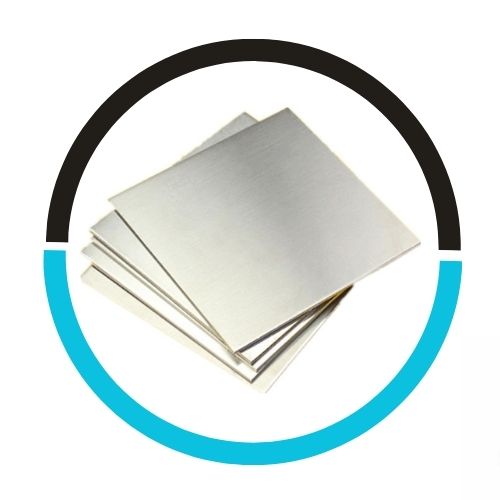
Nickel alloy Sheets and Plates are extensively utilized in industry across numerous sectors owing to their remarkable characteristics. Within aerospace, these sheets are used in parts exposed to elevated temperatures and corrosive conditions, such as turbine blades and engine components. Chemical processing depends on their resistance to corrosion for vessels, piping, and reactors that manage corrosive materials. In the oil and gas industry, they play a key role in offshore platforms, pipelines, and equipment thanks to their durability against severe environmental conditions
Aerospace: Nickel alloy Sheets and Plates serve aerospace applications in the production of aircraft components including turbine blades, engine parts, structural elements, and exhaust systems, owing to their strength at elevated temperatures, resistance to corrosion, and low weight.
Chemical Processing: These Sheets and Plates are put to use in chemical processing industries to build vessels, reactors, heat exchangers, and piping systems that deal with corrosive chemicals and elevated temperatures, where their resistance to corrosion is essential.
Oil and Gas: Within the oil and gas sector, nickel alloy Sheets and Plates are applied to offshore platforms, pipelines, valves, and equipment subjected to corrosive surroundings, high pressures, and extreme temperatures, guaranteeing dependability and durability under severe conditions.
Power Generation: Nickel alloy Sheets and Plates are employed in power generation plants for turbines, boilers, heat exchangers, and additional components exposed to high temperatures, pressures, and corrosive gases, guaranteeing efficiency and dependability throughout power generation processes.
Marine Engineering: These Sheets and Plates are applied in marine engineering for shipbuilding, seawater desalination plants, offshore platforms, and marine structures, where their resistance to corrosion from seawater and demanding marine environments is vital.
Medical Equipment: Nickel alloy Sheets and Plates are used in the manufacture of medical equipment for components that demand biocompatibility, corrosion resistance, and the ability to be sterilized, such as surgical instruments, prosthetic devices, and implants.
Electronics: In electronics manufacturing, nickel alloy Sheets and Plates are applied to battery components, connectors, and electronic packaging thanks to their electrical conductivity, thermal stability, and resistance to corrosion.
Automotive Industry: Nickel alloy Sheets and Plates are used in the automotive industry to produce exhaust systems, catalytic converters, fuel cells, and other components that call for strength at high temperatures, corrosion resistance, and durability.
Nuclear Industry: These Sheets and Plates are applied in the nuclear industry to build reactor components, fuel rods, and containment vessels because of their resistance to radiation, high temperatures, and corrosive surroundings.
Food Processing: Nickel alloy Sheets and Plates are used in food processing equipment for their corrosion resistance and hygienic qualities, safeguarding the integrity and safety of food processing operations.
Identify Application Requirements: Establish the operating conditions, such as temperature, pressure, corrosion, and mechanical stress levels, in order to choose Sheets and Plates capable of enduring these conditions.
Alloy Composition: Nickel alloys are available in numerous compositions, each providing particular properties. Pick an alloy composition according to the desired traits like corrosion resistance, high temperature strength, or magnetic properties.
Thickness and Size: Pick Sheets and Plates with suitable thickness and size to fit your application needs, taking into account factors like load-bearing capacity, dimensional tolerances, and available space.
Surface Finish: Think about the surface finish needed for your application, like smooth, polished, or textured surfaces. The surface finish can influence factors such as corrosion resistance, aesthetics, and ease of cleaning.
Certifications and Standards: Make sure the Sheets and Plates comply with applicable industry standards and certifications, like ASTM, ASME, or AMS specifications, to ensure quality, performance, and compatibility with other components.
Corrosion Resistance: Assess the corrosion resistance of the nickel alloy against the particular corrosive agents found in your application, like acids, alkalis, seawater, or chemical vapors, to avoid corrosion-related failures.
Temperature Resistance: Confirm the temperature resistance of the nickel alloy Sheets and Plates to ensure they can endure the maximum operating temperature without degradation or loss of mechanical properties.
Mechanical Properties: Take into account the mechanical properties of the nickel alloy, like tensile strength, yield strength, and ductility, to ensure they satisfy the mechanical requirements of your application.
Fabrication and Weldability: Examine the fabricability and weldability of the nickel alloy Sheets and Plates to ensure they can be readily formed, machined, and welded into the desired shapes and structures without sacrificing performance.
Cost Considerations: Assess the cost of the nickel alloy Sheets and Plates, including material cost, fabrication, and installation costs, to gauge the overall value and cost-effectiveness of the solution.
Yes, nickel alloy Sheets and Plates can be well-suited to hygienic and sanitary applications thanks to their corrosion resistance, smooth surface finish that makes cleaning easy, non-toxicity, resistance to bacterial growth, high temperature resistance for sterilization, lasting durability, and conformance with industry standards.
Nickel alloy sheets/plates can be shaped and machined through standard techniques including cutting, bending, forming, welding, and machining. For machining tasks, carbide tooling is advised, and appropriate measures should be taken to prevent work hardening and tool wear.
Nickel alloy grades frequently used for sheets/plates include Inconel, Monel, Hastelloy, Alloy 20, Nickel 200, Nickel 201, and more, with each providing distinct properties and performance traits suited to varied applications.
To ensure quality and reliability, it’s essential to obtain nickel alloy sheets/plates from trustworthy manufacturers who follow rigorous quality control standards, certifications, and industry specifications. Material testing, inspections, and adherence to standards should be confirmed prior to use.
| Thickness | Width | Length | Surface Finish |
|---|---|---|---|
| 15~85 mm | 914, 1219, 1524 mm | 3048, 6069 mm 10 M | Black |
| 3~8 mm | 20~1524 mm | Container Loading: Max. 10M Bulk: as request | No.1 |
| 8 up ~ 60 mm | 30~1524 mm | Max. 6096 mm | No.1 |
Phone Us: +91 7208967217
Email Address: sales@sumakhsteel.com