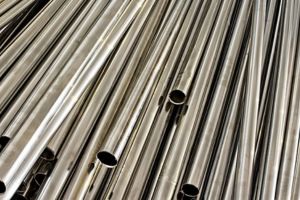
Home > Nickel Alloy > Nickel Alloy Tube
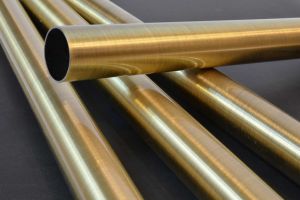
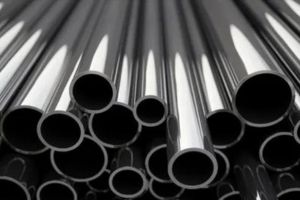
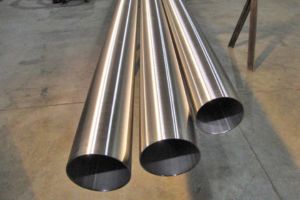
Nickel Alloy Tubes are basically metal tubes made mainly from nickel and frequently mixed with extra alloying elements such as chromium or molybdenum. Celebrated for their exceptional corrosion resistance, remarkable strength at high temperatures, and superb mechanical properties, these tubes are a mainstay in sectors like aerospace, chemical processing, and power generation. Owing to their durability, nickel alloy tubes are preferred for uses involving severe conditions, such as high temperatures and corrosive settings. They serve a vital function in essential systems like heat exchangers and are extensively used across numerous industrial processes that require sturdy materials capable of providing first-rate performance and durability.
| Dimensions | : | ASTM, ASME and API |
|---|---|---|
| Standard | : | ASTM A163, ASME SB163 |
| Size | : | 4 to 219mm W. T.: 0.5 to 20mm |
| Specialized In | : | Large Diameter Size |
| Grade | : | Nickel Alloy 200 (UNS No. N02200) |
| Schedule | : | SCH20, SCH30, SCH40, STD, SCH80, XS, SCH60, SCH80, SCH120, SCH140, SCH160, XXS |
| Form | : | Round, Hydraulic Etc |
| Type | : | Seamless / Fabricated |
| Length | : | Single Random, Double Random & Cut Length. |
| End | : | Plain End, Beveled End, Threaded |
| Cu | Ni | Fe | Mn | C | S | Si |
| 0.25 max | 99.0 min | 0.4 max | 0.35 max | 0.15 max | 0.01 max | 0.1 max |
| Density | Melting Point | Tensile Strength | Yield Strength (0.2%Offset) | Elongation |
| 8.89 g/cm3 | 1370 °C (2550 °F) | Psi – 1,15,000 , MPa –790 | Psi – 52,000 , MPa – 355 | 40 % |
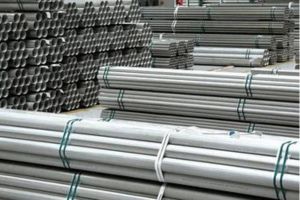
At Sumakhsteel, we take pride in being the largest supplier and manufacturer in the USA, delivering advanced solutions for every one of your piping requirements. With cutting-edge production facilities strategically situated across the USA, we maintain an extensive inventory of more than 25,000 tons of top-quality materials kept ready in stock.
Reach out to us for a fast quote tailored to your requirement.
Nickel Alloy Tube offered by us conforms to DIN, ISO, JIS or ANSI Standard.


Nickel Alloy Tube uses are as varied as the industries they support, led chiefly by the aerospace, railway, construction and automotive sectors along with petrochemical, nuclear, medical, Oil & Gas, Chemical, Pharmaceutical, Food & Beverage, Nuclear, Thermal Power plants, Paper and Pulp, marine and mining, etc.
Nickel Alloy Tubes are dimensioned according to their outer diameter (OD), inner diameter (ID), and wall thickness. The OD and wall thickness are usually standardized measurements, whereas the ID may differ based on the particular needs of the application. Typical OD sizes span from fractions of an inch up to several inches, with matching differences in wall thickness to suit varying pressure and temperature demands. Nickel alloy tubes are frequently produced in accordance with industry standards like ASTM or DIN specifications, guaranteeing uniformity and compatibility across a range of applications. Furthermore, custom sizes and dimensions can be manufactured to satisfy particular project requirements, providing flexibility in both design and installation.
Nickel alloy tubes are naturally resistant to corrosion, owing to the alloying elements that improve their corrosion resistance characteristics. Nevertheless, in some harsh environments or applications where extended contact with corrosive materials is anticipated, corrosion protection coatings can be added as a further safeguard. Such coatings can offer an additional layer of defense against particular forms of corrosion, like pitting or stress corrosion cracking, securing the durability and performance of the tubes under demanding conditions. The choice to apply corrosion protection coatings relies on factors like the operating environment, expected contact with corrosive agents, and industry regulations or standards.
Yes, nickel alloy tubes are a strong fit for high-temperature uses. Nickel alloys offer outstanding high-temperature strength, resistance to oxidation, and thermal stability, which makes them perfect for use in high-temperature settings like power generation, aerospace, and chemical processing industries. These tubes retain their mechanical properties at temperatures spanning from several hundred to more than a thousand degrees Celsius, depending on the particular alloy composition. Furthermore, nickel alloys frequently show strong creep resistance, enabling them to endure extended exposure to high temperatures without notable deformation. On the whole, nickel alloy tubes are a dependable option for challenging high-temperature uses where strength, corrosion resistance, and thermal stability are essential requirements.
Yes Nickel Alloy Tubes can be joined through a range of welding methods, including TIG (tungsten inert gas), MIG (metal inert gas), and SAW (submerged arc welding). That said, welding nickel alloys demands careful attention because of their distinctive characteristics, such as high thermal conductivity and sensitivity to heat input. Adequate pre-weld preparation, like cleaning and eliminating surface contaminants, is vital to guarantee top-quality welds and reduce the chance of defects. Furthermore, choosing suitable filler materials that match the base alloy composition is essential to preserve the soundness of the welded joint and prevent problems like cracking or brittleness. When the right welding methods and expertise are applied, nickel alloy tubes can be effectively welded to satisfy particular application needs while retaining their mechanical properties and corrosion resistance.
Phone Us: +91 7208967217
Email: sales@sumakhsteel.com