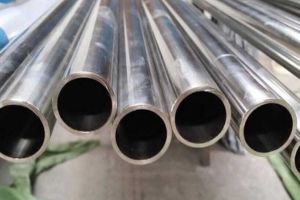
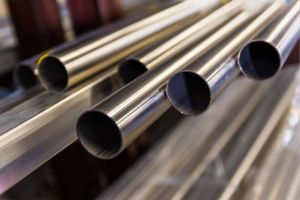
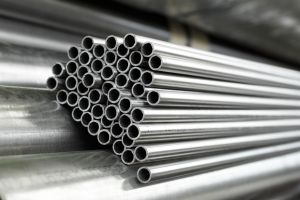
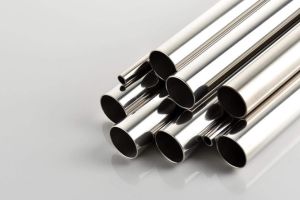
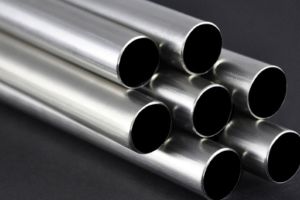
Hastelloy Tubes are custom-engineered alloy tubes celebrated for their exceptional resistance to corrosion, especially in harsh settings such as chemical processing facilities, aerospace systems, and marine applications. Made up primarily of nickel, molybdenum, and chromium, Hastelloy tubes deliver impressive durability and strength, providing dependable defense against a wide range of corrosive agents, including acids and chlorides. Thanks to their outstanding performance and resistance to oxidation, Hastelloy tubes act as essential components in industries where corrosion presents major difficulties, delivering trustworthy and long-lasting tubing solutions for demanding applications.
| Dimensions | : | ASTM, ASME and API |
|---|---|---|
| Standard | : | ASTM B622, ASME SB622 |
| Size | : | 6.35 mm OD To 152 mm OD |
| Specialized In | : | Large Diameter Size |
| Grade | : | Hastelloy C276 (UNS No. N10276) |
| Schedule | : | SCH20, SCH30, SCH40, STD, SCH80, XS, SCH60, SCH80, SCH120, SCH140, SCH160, XXS |
| Form | : | Round, Hydraulic Etc |
| Type | : | Seamless / Fabricated |
| Length | : | Single Random, Double Random & Cut Length. |
| End | : | Plain End, Beveled End, Threaded |
| Grade | Cr | Mo | Ni | Fe | W | Co | Mn | C | V | P | S | Si |
| Hastelloy | 14.5 – 16.5 | 15 – 17 | Bal | 4 – 7 | 3 – 4.5 | 2.5 max | 1.0 max | 0.01 max | 0.35 max | 0.04 max | 0.03 max | 0.08 max |
| Density | Melting Point | Tensile Strength | Yield Strength (0.2%Offset) | Elongation |
| 8.89 g/cm3 | 1370 °C (2550 °F) | Psi – 1,15,000 , MPa –790 | Psi – 52,000 , MPa – 355 | 40 % |
At Sumakhsteel, we take pride in being the largest supplier and manufacturer in the USA, providing advanced solutions for all your piping requirements. With cutting-edge production facilities strategically situated across the USA, we maintain an extensive inventory of more than 25,000 tons of top-quality materials kept ready in stock.
Reach out to us for a fast quote tailored to your requirement.
We supply these Hastelloy Tube conforming to DIN, ISO, JIS or ANSI Standard.
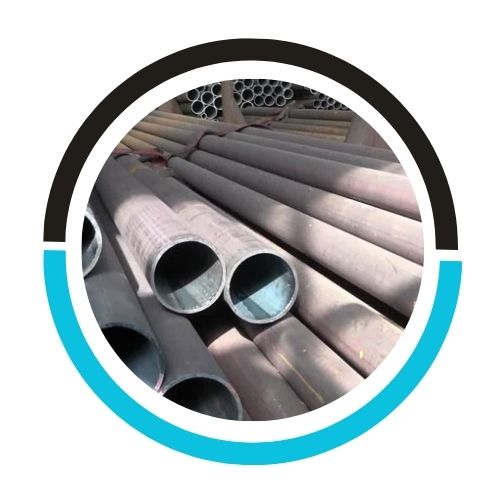
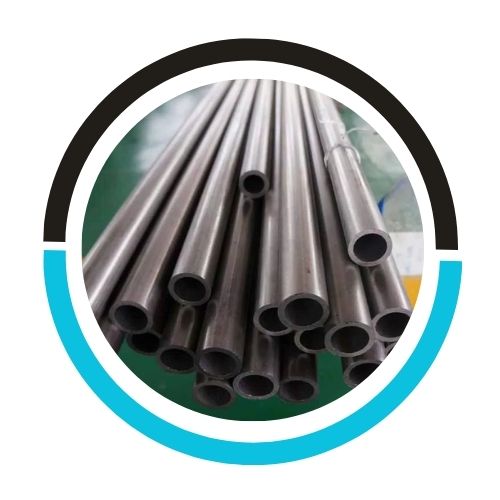
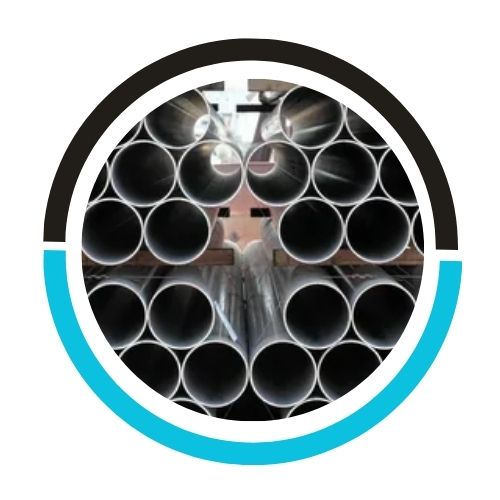
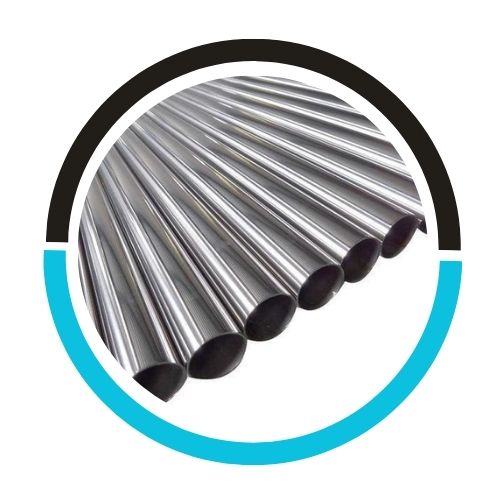
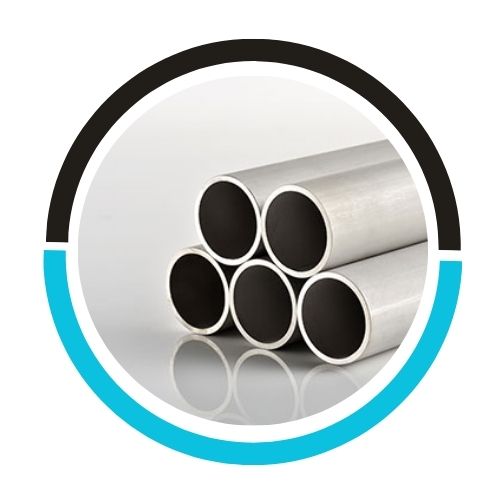
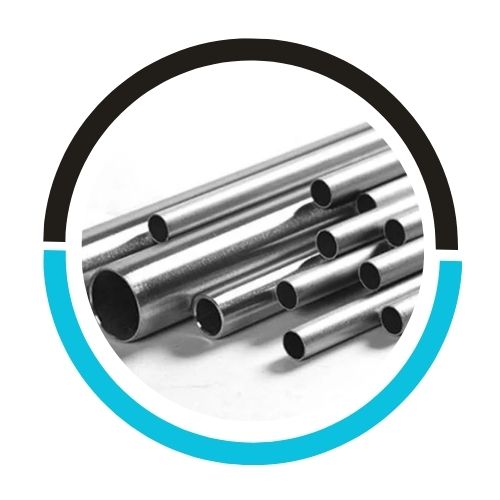
Hastelloy Tube applications are as varied as the industries they serve, driven mainly by the aerospace, railway, construction and automotive industries along with petrochemical, nuclear, medical, Oil & Gas, Chemical, Pharmaceutical, Food & Beverage, Nuclear, Thermal Power plants, Paper and Pulp, marine and mining, etc.
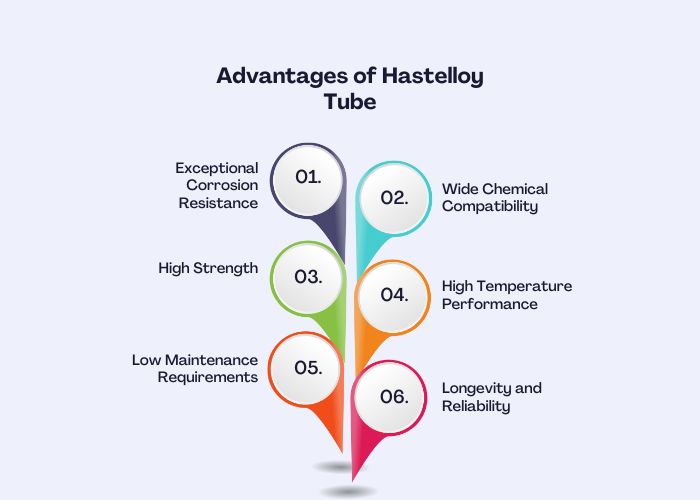
Hastelloy Tubes are recognized for their outstanding resistance to corrosion and long-lasting durability, which makes them highly cost-effective in situations where standard materials would fail too soon because of corrosion. Although the upfront cost may exceed that of ordinary materials, the lasting advantages of lower maintenance, longer service life, and reduced downtime frequently surpass the initial expense. On top of that, Hastelloy tubes deliver remarkable performance in harsh conditions, resulting in greater operational efficiency and reliability, which further boosts their cost-effectiveness as time goes on.
Yes, there are numerous standards and specifications governing Hastelloy tubes, guaranteeing they satisfy quality and performance criteria for particular applications. Widely used standards include ASTM (American Society for Testing and Materials), ASME (American Society of Mechanical Engineers), and NACE (National Association of Corrosion Engineers). These standards address multiple aspects including material composition, mechanical properties, dimensions, and testing procedures for Hastelloy tubes. Complying with these standards helps guarantee consistency, dependability, and alignment with industry requirements and regulations.
Hastelloy tubes come in a range of configurations designed to match different applications and installation needs. Frequently used types include straight lengths, coils, U-bends, and coiled tubing. Straight lengths are straight portions of tubing employed in fixed installations, whereas coils are continuous lengths wound into a spiral to provide flexibility and simple installation within tight spaces. U-bends take the shape of the letter “U” and serve to join straight sections of tubing at right angles. Coiled tubing is a continuous length of tubing wound into a coil, often used in applications that call for flexibility and a compact design, such as heat exchangers and instrumentation systems. These configurations deliver versatility and adaptability across a wide range of industrial applications.
Hastelloy tubing typically withstands galvanic corrosion because of its makeup, which contains nickel, molybdenum, and chromium. Nevertheless, in some settings where Hastelloy tubes are exposed to dissimilar metals, galvanic corrosion can happen. Thoughtful design measures, like preventing direct contact with incompatible metals and applying insulating materials or coatings, can help reduce the likelihood of galvanic corrosion. Moreover, choosing the right Hastelloy alloy with improved corrosion resistance can further lessen vulnerability to galvanic corrosion in demanding environments.
Phone Us: +91 7208967217
Email: sales@sumakhsteel.com