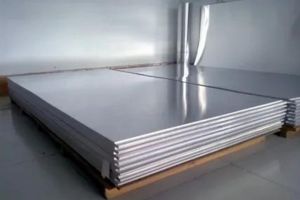
Home > Alloy Steel > Alloy Steel Sheet and Plates
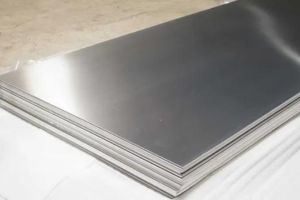
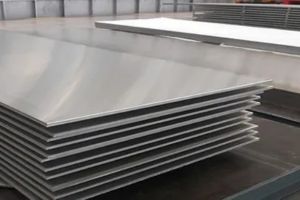
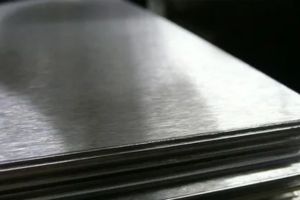
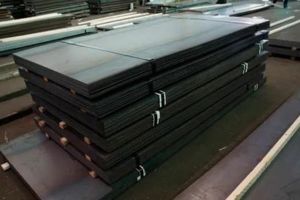
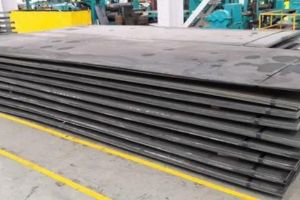
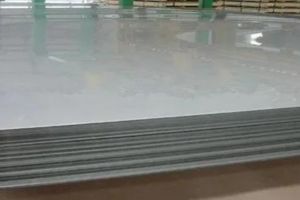
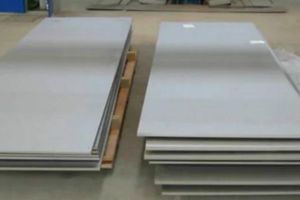
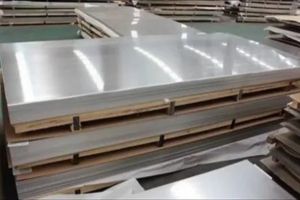
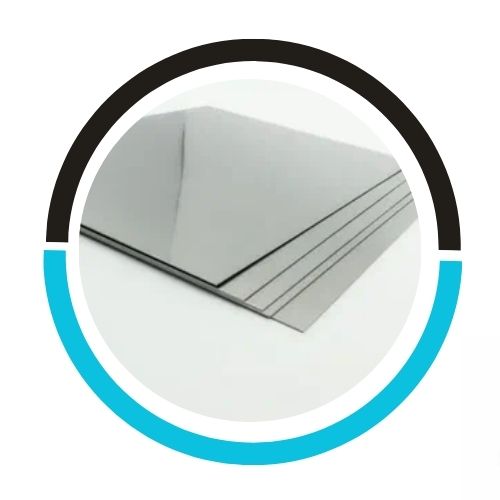
Dedicated to providing quality, our company is delighted to present a wide-ranging selection of Alloy Steel Sheet Plates carefully sourced from respected suppliers celebrated for their skill in custom-built premium alloy steel products. These sheet plates act as vital components across countless applications, supplying a broad assortment of thicknesses, dimensions, and specifications thoughtfully adapted to satisfy the diverse needs of our valued customers. Welcomed across sectors like manufacturing and automotive, our premium Alloy Steel Sheet Plates are highly esteemed for their outstanding durability and toughness. Produced with precision using specialized alloys, these sheet plates go through stringent processing techniques to enhance their strength and resilience, guaranteeing steady performance under challenging conditions.
| Specifications | : | ASTM A 193 ASME SA 193 |
| Standard | : | DIN, ASTM, BS and all International Standards |
| Length | : | 3 mm to B6 mm |
| Size | : | M3 – M56 | 3/6″ to 2″ | Custom Sizes |
| Type | : | Hex Head Bolts, Square Bolts, U bolts, Eye bolts, T bolt, Hex Bolt, Lag Bolts, Counter sunk Bolts, Hex Head nuts, Square nuts, Lock nuts, Eye nuts, wing nuts, T nuts, Panel Nuts, Coupling Nuts, Dome nuts, Acorn Nuts. |
| Properties | Data |
| Tensile strength, min, (MPa) | 415 Mpa |
| Yield strength, min, (MPa) | 205 Mpa |
| Elongation, min, (%), L/T | 30/20 |
| Material | C | Mn | P | S | Si | Cr | Mo |
| Alloy Steel | 0.15 max | 0.30-0.61 | 0.025 max | 0.025 max | 0.50 max | 4.00-6.00 | 0.44-0.65 |
| V 0.18-0.25 | N 0.03-0.07 | Ni 0.40 max | Al 0.02 max | Cb 0.06-0.10 | Ti 0.01 max | Zr 0.01 max |
At Sumakhsteel, we are proud to be the largest supplier and manufacturer in the USA, delivering advanced solutions for every one of your piping requirements. With cutting-edge manufacturing facilities strategically situated in the USA, we maintain an extensive inventory of more than 25,000 tons of top-grade materials kept in stock and ready to ship.
Reach out to us for a fast quote tailored to your requirement.
We provide these Alloy Steel Sheet and Plate in accordance with DIN, ISO, JIS or ANSI Standard.
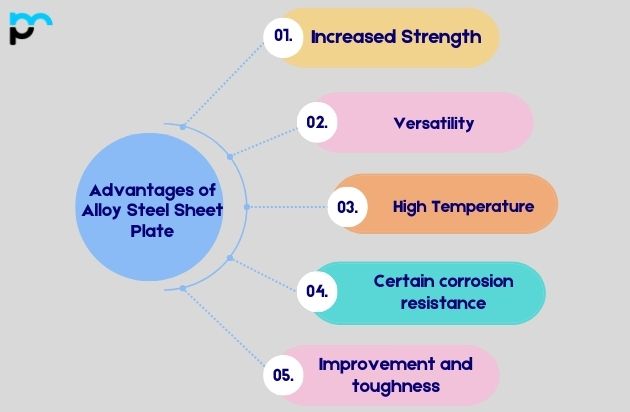
Increased Strength: Alloy steels incorporate extra alloying elements like manganese, chromium, nickel, or molybdenum, which enhance the material’s strength This allows for thinner plates while preserving system integrity, cutting weight without compromising performance.
Versatility: By adjusting the alloy elements, alloy steel can be adapted to particular performance needs. This flexibility enables sheet plates to be customized for a broad spectrum of uses spanning from construction materials to specialized machine components
High Temperature: Alloy steel maintains its strength and mechanical properties at high temperatures, making it well suited for applications involving elevated temperatures and thermal cycling This characteristic is especially valuable in sectors such as aerospace , automotive, and energy production.
Certain corrosion resistance: Specific alloys, like chromium and nickel, render the alloy steel corrosion resistant, making it appropriate for use in severe environments where water, chemicals or corrosive elements are common comes This prolongs the lifespan of the composite plates and lowers maintenance costs.
Improvement and toughness: Alloying elements boost the hardness and toughness of the steel, making it more resistant to wear, abrasion and impact than standard carbon steel This makes alloy steel sheet plates ideal for high-wear applications, such as mining and construction machinery . . . .



Alloy Steel Sheet and Plate applications are as varied as the industries they cater to, driven mainly by the aerospace, railway, construction and automotive industries along with petrochemical, nuclear, medical, Oil & Gas, Chemical, Pharmaceutical, Food & Beverage, Nuclear, Thermal Power plants, Paper and Pulp, marine and mining, etc.
Automotive Industry: Alloy steel sheets and plates find application in automotive components like gears, axles, crankshafts and suspension parts owing to their high strength, hardness and resistance to wear.
Oil and Gas Industry: In the oil and gas sector, alloy steel sheets and plates serve in drilling equipment, pipeline valves and other products operating in high-pressure and corrosive environments.
Aerospace: The aerospace industry relies on alloy sheets and plates to build aircraft parts, including landing gear, engine components and other components that demand lightweight materials offering high strength and fatigue tolerance
Machinery and Equipment: Alloy steel plates go into the production of heavy machinery, equipment, and industrial equipment, where strength, rigidity, and corrosion resistance are essential for performance and longevity.
Construction: Employed in construction materials like beams, columns, and reinforcing bars because of their strength, durability and capacity to endure high loads and severe environmental conditions
Define your needs: Define the particular characteristics you need in a metal alloy paper plate. Weigh factors like strength, hardness, corrosion resistance, machinability, and weldability. The demands of your application will dictate which properties are necessary.
Observe mechanical properties: Pay close attention to the mechanical properties of alloy steel, such as tensile strength, yield strength, and elongation. These characteristics decide how the steel behaves under different loads and conditions.
Consider the application: Take into account the particular conditions and setting in which the alloy steel sheet plate will operate. For instance, contact with high temperatures or corrosive chemicals will demand high-temperature resistance or high-corrosion resistance
Consult experts: If you have not yet decided which metal alloy to select, seek advice from metallurgists or materials engineers. They can offer valuable guidance based on your application requirements and budget.
Understand alloys: Recognize the various types of alloy steel that are available. Metal alloys are grouped according to their chemical composition and mechanical properties. Frequently used alloys include chromium, nickel, molybdenum and vanadium.
Alloy steel sheet plates can be prone to galvanic corrosion when they come into contact with dissimilar metals in a conductive setting. Adequate insulation or the selection of compatible materials, coatings, or inhibitors can reduce this risk, safeguarding the durability and performance of the alloy steel components.
Yes, Alloy steel sheet plates are recyclable once they have been used. Recycling means melting the steel down into its molten state and then shaping it back into new products. This method is extremely efficient and sustainable, which makes alloy steel a worthwhile material in the circular economy while cutting down the demand for virgin resources.
Yes, Alloy steel sheet plates are prone to corrosion, particularly in aggressive environments or upon contact with corrosive materials. That said, suitable surface treatments, coatings, and alloy formulations can improve resistance to corrosion, prolonging the durability and performance of the material across a range of applications.
To choose the appropriate alloy steel sheet plate, take into account elements like the necessary strength, resistance to corrosion, heat tolerance, and weldability. Work with material engineers or vendors to align the alloy makeup, thickness, and surface finish with the particular demands of your application, guaranteeing the best performance and durability.
Phone Us: +91 7208967217
E-mail: sales@sumakhsteel.com