Home > Alloy Steel > Alloy Steel Stud Bolts
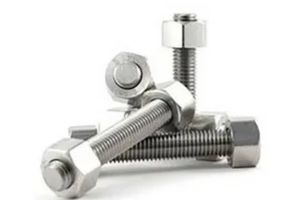
Our company is committed to offering an extensive range of Alloy Steel Stud Bolts, obtained from reliable suppliers recognized for their skill in manufacturing superior alloy steel goods. These stud bolts serve a crucial function in fastening a variety of components, providing an ample assortment of sizes, grades, and standards to satisfy varied customer requirements. Greatly appreciated in sectors like construction and engineering, our top-tier Alloy Steel Stud Bolts are respected for their exceptional resistance to corrosion and abrasion. Through the incorporation of specialized alloys, these stud bolts are heat treated to improve their hardenability, guaranteeing consistent mechanical properties across their whole structure.
| Chrome Moly Steel Stud Bolts Specifications | ASTM A193 / ASME SA193 |
|---|---|
| Chromium Molybdenum Stud Bolt size | Size : M3 – M56 | 3/6″ to 2″ | Custom Sizes |
| Chrome Moly Steel Stud Bolts Length | 3 mm to 200 mm |
| Chromium Molybdenum Stud Bolt | UNF, BSW, BSF, METRIC, UNC, or as required |
| Standard of Alloy Steel Stud Bolts | DIN : DIN 934, DIN 931, DIN 970, DIN 933 UTS : UNEF, NPT, UNC, UNS, UNF, NPTF ISO : JIS standards, ISO 4033, ISO 4032, ANSI – American National Standards Institute ASME B18.5 ANSI B 28.2.4 1M ANSI B 18.2.4 2M as per defined in ASME B18.2.2 Cr-Mo L7M Half Threaded stud bolts |
| Form of Chrome Moly Steel Stud Bolts | Half Threaded, Threading, Threaded Rod, Round as per Gauge Etc. |
| Tensile Strength | Yield Strength (0.2%Offset) | Elongation |
| 415 min | 205 min | 30 % |
| 380 min | 205 min | 30 % |
| 415 min | 220 min | 30 % |
| Stud Bolts | C | N | P | Si | Mn | Mo | Fe | Cr | S | Ni |
| 1.0 | 0.03 | 0.02 | 2.0 | 3.0 – 3.5 | 22.0 – 23.0 | 0.03 | 4.5 – 6.5 | 0.14 – 0.2 | Bal |
At Sumakhsteel, we are proud to stand as the largest supplier and manufacturer in the USA, delivering advanced solutions to meet all your piping requirements. With cutting-edge manufacturing facilities strategically positioned across the USA, we maintain an extensive stock of more than 25,000 tons of top-grade materials kept ready in inventory.
Reach out to us for a fast quote tailored to your requirement.
We supply these Alloy Steel Stud Bolts in accordance with DIN, ISO, JIS or ANSI Standard.
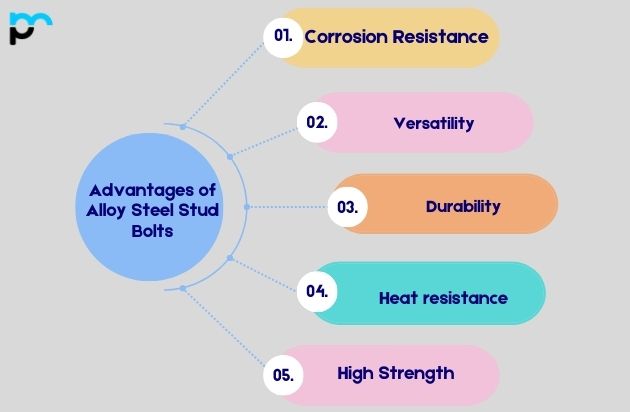
High Strength: Alloy steel stud bolts are recognized for their outstanding strength. They are typically employed in situations where high tensile strength and resistance to deformation are essential. This makes them well-suited for heavy industrial uses involving substantial loads and stresses.
Versatility: Alloy steel stud bolts are available in numerous grades and compositions, enabling engineers to select the alloy that best fits their application requirements. This adaptability makes alloy steel stud bolts appropriate for a wide range of projects and applications.
Durability: Alloy steel stud bolts are highly durable and can endure heavy loads, vibrations and shocks without failing. This durability guarantees dependable long-term performance, lowering the need for frequent maintenance or replacement.
Heat resistance: Alloy steel stud bolts can tolerate a range of temperatures without sacrificing their mechanical properties. This makes them appropriate for applications with significant temperature variations, such as power plants, refineries, or aerospace applications.
Corrosion Resistance: Numerous steel alloys have been engineered for excellent corrosion resistance. This makes alloy steel stud bolts perfect for use in environments where contact with water, chemicals, or severe weather conditions can lead to rust or corrosion, and they are frequently used in marine oil and gas and chemical plants where corrosion resistance is essential.
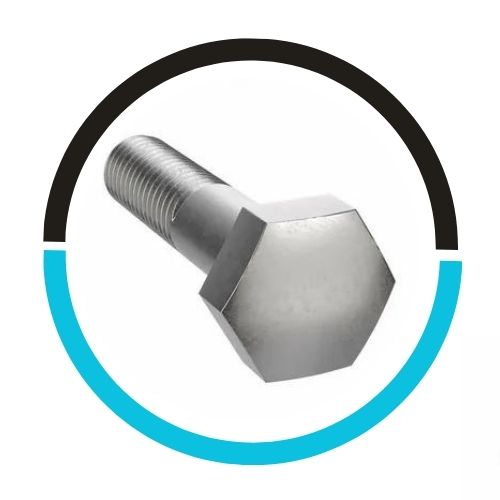
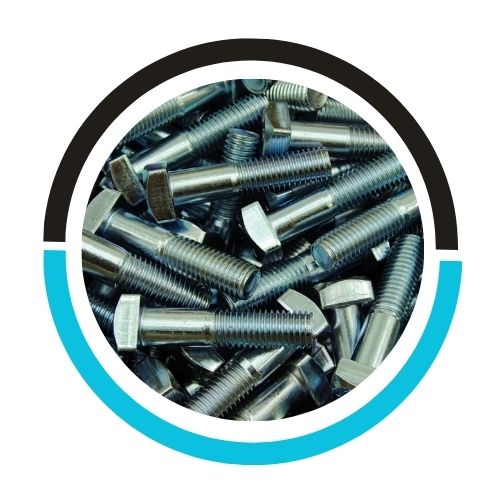
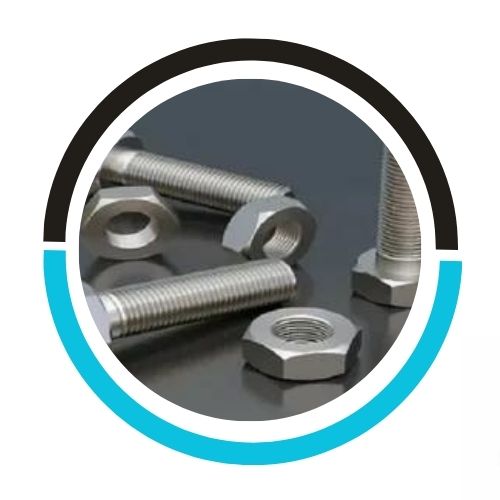
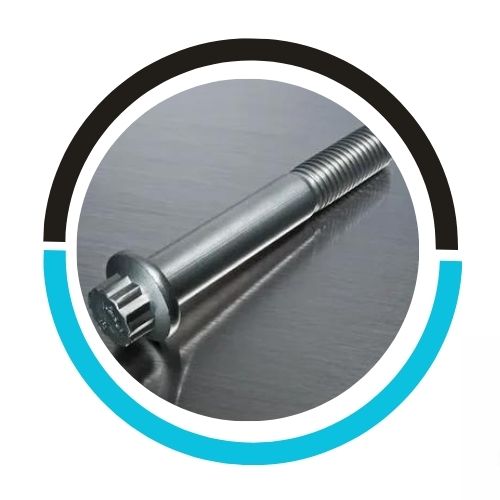
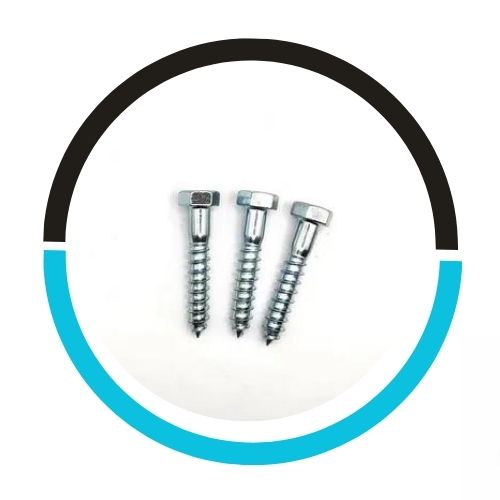
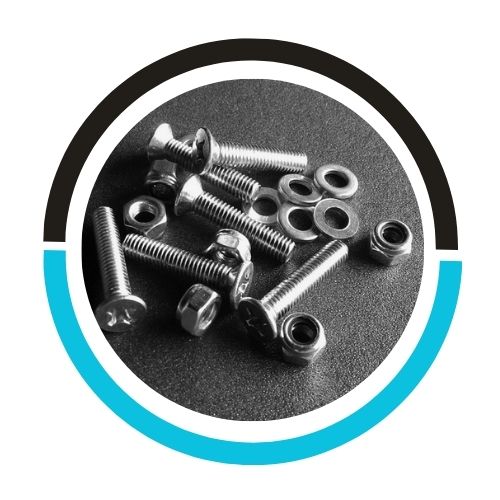
Alloy Steel Stud Bolts serve applications as varied as the industries they cater to, led chiefly by the aerospace, railway, construction and automotive sectors along with petrochemical, nuclear, medical, Oil & Gas, Chemical, Pharmaceutical, Food & Beverage, Nuclear, Thermal Power plants, Paper and Pulp, marine and mining, etc.
Construction and Structures: Alloy steel stud bolts see extensive use in the construction sector for effectively fastening large structural elements together. You’ll often find them in bridges, buildings, and other undertakings that involve moving materials, where connection strength is essential.
Aerospace and Security: Alloy steel stud bolts serve aerospace and security purposes that call for fasteners that are both lightweight and high in strength. They also feature in producing airplanes, missiles, spacecraft and military vehicles.
Oil and Gas Industry: Because they can endure extreme conditions, alloy steel stud bolts find broad application in the oil and gas sector. They appear in drilling equipment, wellheads, pipelines and offshore platforms that must cope with high-pressure situations and edge exposure to solvents
Power generation: Stud bolts fashioned from alloy steel are employed in power plants such as thermal, nuclear, hydroelectric dams, and so on. They safeguard components of heavy machinery like turbines and boilers.
Petrochemical Industry: Within the petrochemical industry, where harsh conditions such as high pressure, high temperature and corrosive environments are frequent, alloy steel stud bolts are favored for their solid strength and resistance to corrosion. They are utilized in pipelines, refineries, oil refineries and chemical processing plants.
Identify application requirements: Know the conditions in which the stud bolts will operate. Take into account things like temperature, pressure, corrosion resistance, and load-carrying capacity.
Size and Thread Type: Defines the size of the stud bolts to be used in the joint along with the thread type needed. Typical thread types include UNC (Unified National Coarse) and UNF (Unified National Fine).
Consider coatings or coatings: You might have to weigh coatings or finishes to boost corrosion resistance as much as possible. Choices include zinc plating, galvanizing, or assorted coatings such as Xylan or PTFE.
Choose an alloy steel grade: Alloy steel stud bolts are available in several grades, each with its own distinct properties. Pick a grade that delivers the strength, toughness and corrosion resistance your application demands. Typical grades include ASTM A193 B7, ASTM A193 B7M, ASTM A193 B8, ASTM A193 B8M, and ASTM A193 B16.
Set Material Standards: Verify whether regulatory agencies or industry standards organizations have materials or specifications relevant to your application. Doing so can help you narrow down your choices.
Alloy steel stud bolts are prone to galvanic corrosion when placed in contact with dissimilar metals within an electrolyte. Choosing the right coatings, insulation, or compatible contact materials can reduce this hazard. Ongoing inspection and maintenance are likewise vital to avoid galvanic corrosion problems.
Yes, Alloy steel stud bolts are recyclable once they’ve been used. They are usually melted down and repurposed to create new steel products. Recycling helps preserve resources, cuts down on energy use, and lessens environmental impact when compared to making steel from raw materials.
Yes, Alloy steel stud bolts can be prone to corrosion, particularly in severe environments or when they come into contact with corrosive materials. Careful selection of alloy grades, coatings, and maintenance procedures can reduce corrosion risks and guarantee the durability and dependability of the stud bolts while in service.
When choosing suitable alloy steel stud bolts, weigh factors such as application needs, material standards, alloy grade, coating choices, dimensions, thread type, manufacturer specifications, testing/certifications, and price. Seek expert advice when necessary. Verify that the selected bolts deliver appropriate strength, corrosion resistance, and compatibility with the conditions of the application.
Phone Us: +91 7208967217
Mail: sales@sumakhsteel.com