Home > Alloy Steel > Alloy Steel Fasteners
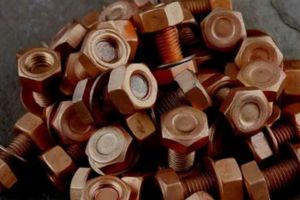
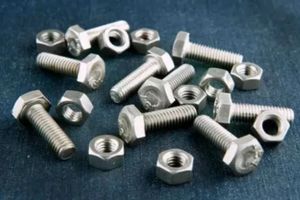
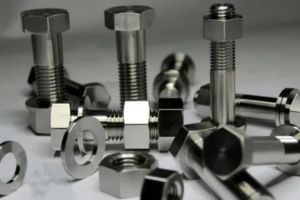
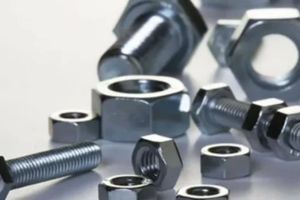
Committed to providing outstanding quality, our company takes pride in offering an extensive selection of Alloy Steel Fasteners sourced with care from trusted suppliers celebrated for their expertise in custom-made premium alloy steel components. These fasteners serve as vital elements across a wide range of applications, featuring a broad variety of sizes, configurations, and specifications carefully tailored to satisfy the varied needs of our valued customers. Extensively adopted throughout industries like construction and aerospace, our high-quality Alloy Steel Fasteners are respected for their remarkable strength and dependability. Crafted with precision using cutting-edge alloy blends, these fasteners go through thorough manufacturing procedures to boost their durability and performance, guaranteeing dependable operation even in the most challenging environments.
| Tensile Strength(ksi) | Tensile Strength(MPa) | Yield Strength(ksi) | Yield Strength (MPa) | Elongationin 2 inches (%) | ||
| Alloy Steel | Class 1 | 60-85 | 415-585 | 30 | 205 | 18 |
| Class 2 | 75-100 | 515-690 | 45 | 310 | 18 |
| Alloy Steel | 0.15 max | 0.3 – 0.6 | 0.035 | 0.03 | 0.5 max | 4.00 – 6.00 | 0.45 – 0.65 |
At Sumakhsteel, we are proud to be the largest supplier and manufacturer in the USA, delivering advanced solutions for every piping requirement you may have. Featuring modern manufacturing facilities positioned strategically across the USA, we maintain an extensive stock of more than 25,000 tons of top-grade materials kept on hand and ready to ship.
Reach out to us for a fast quote tailored to your requirement.
We provide these Alloy Steel Fasteners in accordance with DIN, ISO, JIS or ANSI Standard.
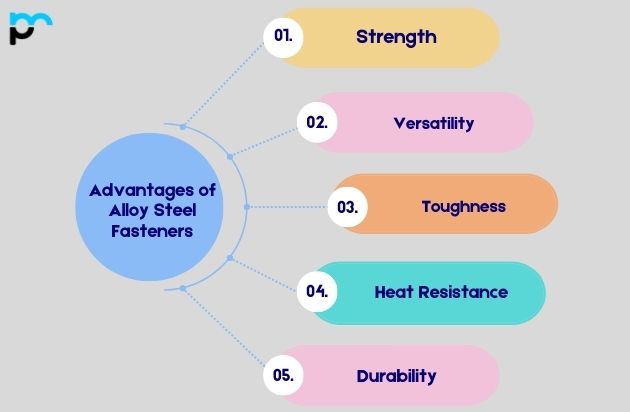
Strength: Alloy steel fasteners offer higher strength than standard steel fasteners because of the inclusion of alloying elements like chromium, nickel, molybdenum and vanadium. This boost in strength makes them well-suited for high-stress uses.
Versatility: Steel alloys can be readily heat treated to reach particular mechanical characteristics like hardness or brittleness, which makes them appropriate for a broad array of uses across different industries
Toughness: Compared to standard steel fasteners, alloy steel fasteners display superior toughness and shock resistance, lowering their chance of breaking or failing under heavy loads or abrupt impacts
Heat Resistance: Alloy packaging materials can endure high temperatures without sacrificing their mechanical properties, which makes them appropriate for uses where heat transfer is a factor it’s disturbing
Durability: The alloying elements in alloy steel enhance its resistance to corrosion, corrosion and abrasion, extending the lifespan of fasteners, particularly in harsh environments or corrosive conditions
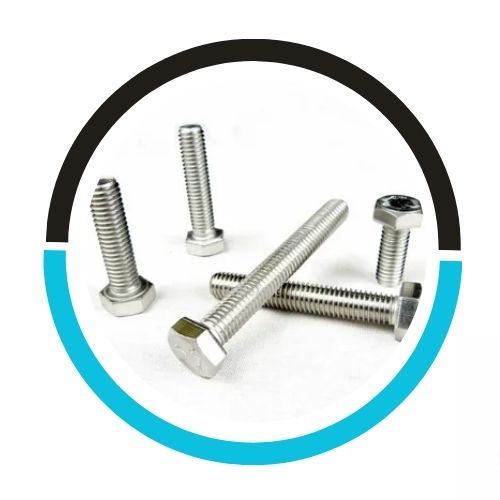
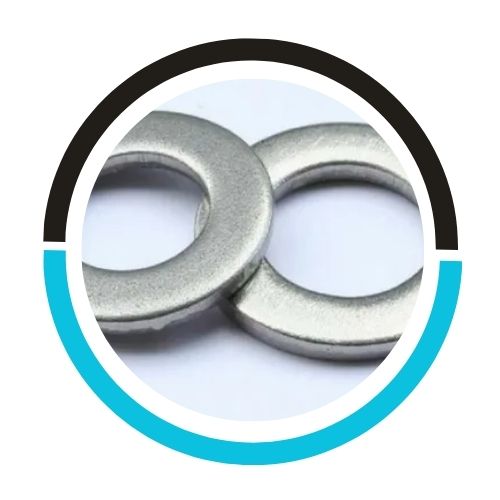
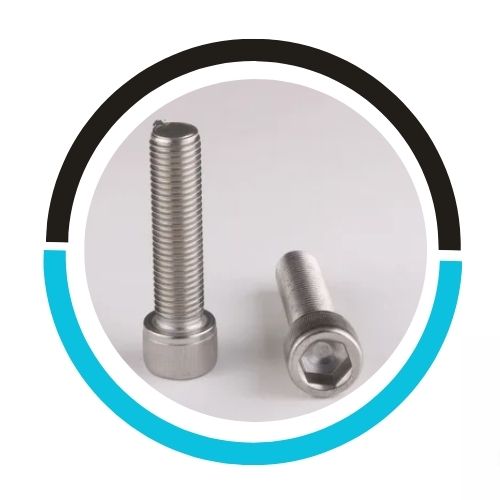

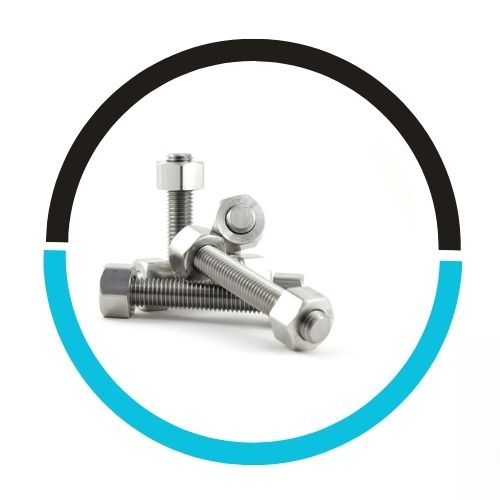
Alloy Steel Fasteners find uses that are as varied as the sectors they support, led chiefly by the aerospace, railway, construction and automotive industries along with petrochemical, nuclear, medical, Oil & Gas, Chemical, Pharmaceutical, Food & Beverage, Nuclear, Thermal Power plants, Paper and Pulp, marine and mining, etc.
Automotive Industry: Alloy steel fasteners are employed in the automotive sector for parts such as engines, transmissions, chassis, suspension systems, and so on. They deliver high strength and durability, which makes them well suited for essential automobile uses.
Power generation: Alloy steel fasteners serve in vital components like turbines and boilers within power plants such as thermal power stations and nuclear reactors. They offer resistance to high temperatures and pressure, which is crucial for the dependable functioning of power generation equipment.
Oil and Gas: The oil and gas sector relies on alloy steel fasteners for drilling rigs, pipelines, and refineries. These materials can endure the severe environmental conditions, high pressures, and corrosive elements frequently found in the industry.
Machinery and Equipment: Alloy steel fasteners are crucial in producing machinery and equipment across many industries like aerospace, mining, agriculture, and construction. They are applied in heavy machinery, tools, and assembly tools thanks to their strength and reliability . . . .
Construction: Alloy steel bonding is applied in structural uses where high strength and corrosion resistance are needed. It is commonly seen on bridges, buildings, and other infrastructure projects.
Specify Implementation Requirements: Define the particular needs of your application, such as load-bearing capacity, environmental conditions (like exposure to temperature and corrosion), and any regulatory standards that must be followed.
Check for thermal resistance: Certain applications operate at high temperatures, which impacts fastener performance. Opt for high-resistance alloy steel to guarantee stability and consistency under extreme heat.
Check Strength Requirements: Establish how much strength your fasteners need according to their weight. Alloy steel fasteners deliver high tensile strength, which makes them well-suited for demanding applications. Take into account factors like yield strength, ultimate tensile strength, and stiffness.
Consider corrosion resistance: When your project involves exposure to water, chemicals, or other corrosive substances, give priority to stainless steel alloys. Seek out grades offering sufficient corrosion resistance, such as stainless steel alloys or coatings like zinc coating or galvanization.
Understand alloy steel grades: Alloy steel fasteners are available in various grades, each having distinct characteristics. Get to know the traits of the different alloy steel grades and how well they suit the needs of your application. Widely used steel alloys include ASTM A193, ASTM A194, and ASTM A320.
Alloy steel fasteners may be vulnerable to galvanic corrosion when combined with unlike metals in corrosive settings. Choosing the right alloy types and coatings, together with insulation techniques or the adoption of compatible materials, can reduce this risk and guarantee lasting performance across a range of applications.
Yes, Alloy steel fasteners are recyclable once they have been used. They are typically recycled via methods like melting and reforming. Recycling supports resource conservation, lessens environmental harm, and aids in making the manufacturing industry more sustainable.
Alloy steel fasteners may be prone to corrosion based on the particular alloy makeup, surrounding conditions, and surface treatments applied. That said, some alloy steel grades are engineered to provide improved resistance to corrosion. Correct selection, coating, and upkeep can reduce corrosion risks and secure lasting durability across a range of applications.
When choosing suitable alloy steel fasteners, evaluate the demands of your application, such as load capacity, resistance to corrosion, and temperature conditions. Pick fitting alloy grades whose properties align, confirm that standards are met, weigh cost-effectiveness, and seek expert advice when necessary. Make certain they work well with other components and deliver lasting performance.
Contact Us: +91 7208967217
Email: sales@sumakhsteel.com