Home > Alloy Steel > Alloy Steel Bolts
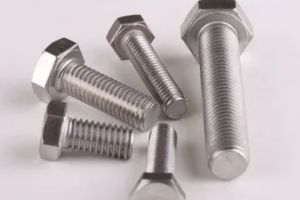
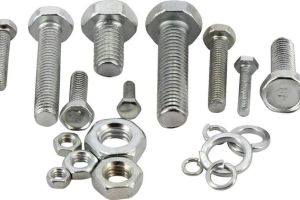
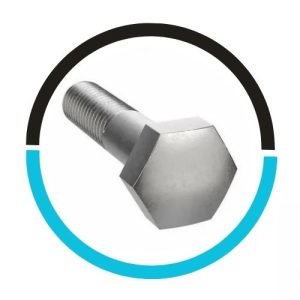
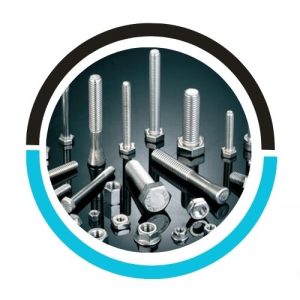
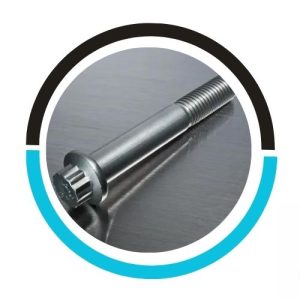
Our company takes pride in providing an extensive range of Alloy Steel Bolts thoughtfully procured from trusted suppliers well known for their skill in manufacturing premium alloy steel goods. These bolts act as vital components across a wide array of applications, featuring a broad assortment of sizes, grades, and standards designed to satisfy the varying needs of our customers. Highly valued in fields like construction and engineering, our top-tier Alloy Steel Bolts are prized for their remarkable resistance to corrosion and abrasion. By integrating specialized alloys, these bolts are subjected to demanding heat treatment procedures to enhance their hardenability, guaranteeing uniform mechanical properties throughout their entire makeup.
| Specifications | : | ASTM A 193 ASME SA 193 |
| Standard | : | DIN, ASTM, BS and all International Standards |
| Length | : | 3 mm to B6 mm |
| Size | : | M3 – M56 | 3/6″ to 2″ | Custom Sizes |
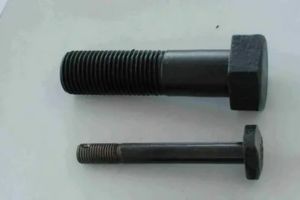
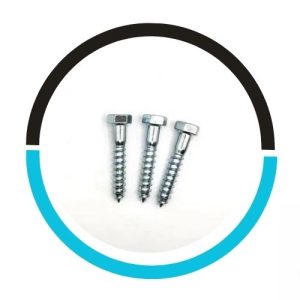
| Type | : | Hex Head Bolts, Square Bolts, U bolts, Eye bolts, T bolt, Hex Bolt, Lag Bolts, Counter sunk Bolts, Hex Head nuts, Square nuts, Lock nuts, Eye nuts, wing nuts, T nuts, Panel Nuts, Coupling Nuts, Dome nuts, Acorn Nuts. |
| Element | Content (%) |
|---|---|
| Iron, Fe | 35 |
| Nickel, Ni | 32-38 |
| Chromium, Cr | 19-21 |
| Copper, Cu | 3-4 |
| Manganese, Mn | ≤2 |
| Molybdenum, Mo | 2-3 |
| Niobium, Nb | ≤1 |
| Silicon, Si | ≤1 |
| Carbon, C | ≤0.07 |
| Phosphorous, P | ≤0.045 |
| Grade | C | Mn | P | S | Si | Cr | Mo |
| Alloy Steel P5 | 0.05-0.15 | 0.30-0.60 | 0.025 max | 0.025 max | 0.50-1.00 | 1.00 – 1.50 | 0.44-0.65 |
| Alloy Steel P9 | 0.10-0.20 | 0.30-0.61 | 0.025 max | 0.025 max | 0.10-0.30 | 0.50-0.81 | 0.44-0.65 |
| Alloy Steel P11 | 0.05-0.15 | 0.30-0.60 | 0.025 max | 0.025 max | 0.50-1.00 | 1.00 – 1.50 | 0.44-0.65 |
At Sumakhsteel, we are proud to be the largest supplier and manufacturer in the USA, delivering advanced solutions for every one of your piping requirements. Equipped with modern production facilities strategically situated in the USA, we maintain an extensive stock of more than 25,000 tons of top-grade materials on hand and ready to ship.
Reach out to us for a fast quote tailored to your requirement.
We supply These Alloy Steel Bolts in accordance with DIN, ISO, JIS or ANSI Standard.
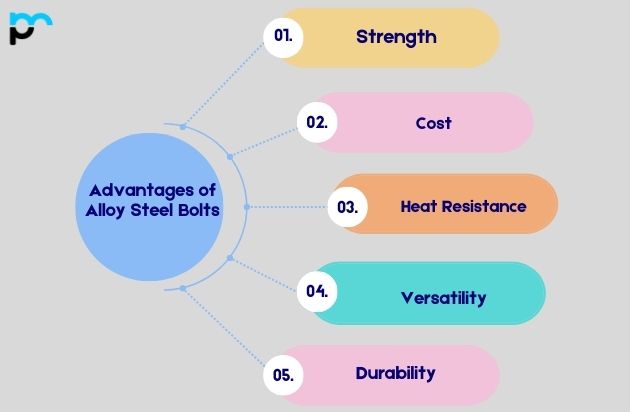
Strength: Alloy steel bolts are recognized for their high tensile strength, which makes them appropriate for heavy-duty uses where strength matters. They can endure high levels of stress and strain without corroding or breaking.
Cost: While the initial cost of alloy steel bolts may be high in comparison to bolts made from other materials, their durability and performance often lead to long-term savings. They need less replacement and maintenance, which cuts down on downtime and the costs that come with it.
Heat Resistance: Certain alloy steel grades show excellent resistance to high temperatures, making them ideal for uses where bolts face extreme heat or heat cycles
Versatility: Alloy steel bolts are available in various shapes and can be tailored to meet specific needs depending on the application. This flexibility makes them well suited for various automotive, aerospace and construction industries.
Durability: Alloy steel bolts withstand wear, corrosion and abrasion. This durability guarantees integrity and long-term performance, even in harsh environments.
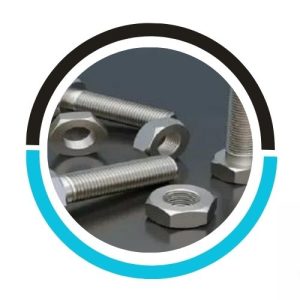
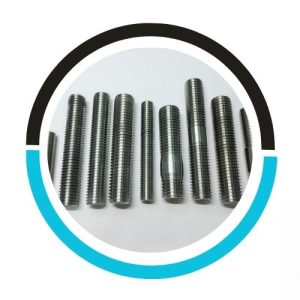
Alloy Steel Bolts serve applications as varied as the industries they support, led mainly by the aerospace, railway, construction and automotive sectors along with petrochemical, nuclear, medical, Oil & Gas, Chemical, Pharmaceutical, Food & Beverage, Nuclear, Thermal Power plants, Paper and Pulp, marine and mining, etc.
Construction: Owing to their exceptional strength and durability, alloy steel bolts are frequently employed to secure structural components. They can handle heavy loads and stabilise buildings, bridges, and other infrastructure.
Machinery and Equipment: Alloy steel bolts serve a role in a range of machinery and equipment, such as construction equipment, agricultural equipment, and mining equipment. They deliver secure fastening solutions for heavy-duty applications. . .
Aerospace: Alloy steel fibres play a vital role in the aerospace industry, which demands lightweight yet durable fasteners. They are utilised in aircraft manufacturing, engine assembly, and other essential aviation applications where reliability and performance are of the utmost importance.
Automotive: The automobile industry relies on alloy steel bolts in crucial areas such as engine parts, suspension systems, chassis assemblies, etc. They offer high tensile strength and corrosion resistance, which makes them ideal for automotive applications.
Write down what to use: Know the environment in which the bolts will operate. Take into account temperature, pressure, resistance to corrosion, and mechanical stress.
Check temperature requirements: Applications involving high temperatures call for bolts capable of enduring elevated heat without losing their strength or deforming too much. Grades like ASTM A193 Grade B7M or ASTM A320 Grade L7M work well for moderate temperatures, whereas special alloys like Inconel or Hastelloy may be needed for extremely high temperatures.
Consider corrosion resistance: Corrosion-resistant steel alloys might have to be subjected to corrosive settings, such as salt water or chemical Grades like ASTM A193 grade B8 (stainless steel) or ASTM A453 grade 660 (nickel-based) Q better corrosion resistance than standard alloy steel grades They provide
Choose alloy steel grade: Alloy steel bolts are available in various grades, each having its own distinct properties. Frequently used grades include ASTM A193 Grade B7, ASTM A320 Grade L7, and ASTM A453 Grade 660. Select the grade that fits the strength and rigidity demands of your application.
Yes, Alloy steel bolts may be vulnerable to galvanic corrosion when they come into contact with dissimilar metals in the presence of an electrolyte. Choosing appropriate coatings, such as zinc plating or galvanization, can reduce this risk by creating a barrier between the bolt and the corrosive environment.
Yes, Alloy steel bolts are recyclable once they’ve been used. Typically, they get melted down and repurposed to make new alloy steel products, supporting sustainability initiatives. Recycling lowers the demand for extracting raw materials and reduces the environmental harm linked to manufacturing processes.
Yes, Alloy steel bolts can be prone to corrosion, especially in corrosive settings or when subjected to moisture. Nevertheless, choosing the right alloy grades and coatings can improve their resistance to corrosion. Routine maintenance and inspection additionally serve to prevent and reduce corrosion problems as time goes on.
When choosing suitable alloy steel bolts, take into account the demands of the application, including load, temperature, and exposure to corrosion. Select the right alloy grades for strength and toughness, along with coatings for corrosion resistance. Seek expert advice for direction and confirm that the bolts conform to specifications.
Contact Us: +91 7208967217
Email: sales@sumakhsteel.com