Home > Alloy Steel > Alloy Steel Pipe Fittings
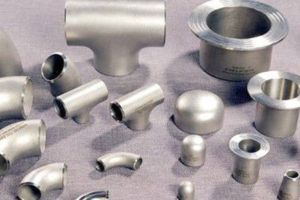
Discover a domain of exceptional quality with our Alloy Steel Pipe Fittings featured on our product pages, presenting a broad range of top-tier solutions. Delve into a world of adaptability and reliability with carefully engineered fittings designed for a variety of industrial uses. Our product range features precision-built fittings that satisfy the industry’s demanding durability and corrosion resistance benchmarks. As a dependable supplier, we place customer satisfaction first by offering tailored options, competitive rates, and swift delivery. Whether for construction, manufacturing, or industrial projects, our Alloy Steel Pipe Fittings deliver outstanding performance, setting a benchmark of excellence and innovation. Our unwavering commitment to perfection strengthens your projects with dependable solutions.
| Material | Size (mm) | SCH/ Class | Thickness | Specification | Manufacturing Method |
|---|---|---|---|---|---|
|
Alloy Steel Pipe Fittings |
15NB to 600NB |
SCH 40 to XXS |
3.91 to 60mm |
A234 WP |
Seamless |
|
200NB to 1800NB |
SCH 10, 20, 30, 40, 80 |
6.35 to 60mm |
A234 WP |
Welded |
| Mechanical Properties of ASTM A234 Alloy Steel Pipe Fittings | ||||
|---|---|---|---|---|
| Grade | Tensile Strength, min. ksi[MPa] | Yield Strength, min. ksi[MPa] | Elongation, min. % | |
| Longitudinal | Transverse | |||
| WP1 | 55-80[380-550] | 30[205] | 20 | 13 |
| WP12 CL1 | 60[415] | 32[220] | 22 | 14 |
| WP12 CL2 | 70[485] | 40[275] | 22 | 14 |
| WP11 CL1 | 60[415] | 30[205] | 22 | 14 |
| WP11 CL2 | 70[485] | 40[275] | 22 | 14 |
| WP11 CL3 | 75[520] | 45[310] | 22 | 14 |
| WP22 CL1 | 60[415] | 30[205] | 22 | 14 |
| WP22 CL3 | 75[520] | 45[310] | 22 | 14 |
| WP24 | 85[585] | 60[415] | 20 | – |
| WP5 CL1 | 60[415] | 30[205] | 22 | 14 |
| WP5 CL3 | 75[520] | 45[310] | 22 | 14 |
| WP9 CL1 | 60[415] | 30[205] | 22 | 14 |
| Chemical Composition of ASTM A234 Alloy Steel Pipe Fittings(%) | ||||||||
|---|---|---|---|---|---|---|---|---|
| Grade | C | Mn | P | S | Si | Cr | Mo | Others |
| WP1 | 0.28 | 0.30-0.90 | 0.045 | 0.045 | 0.10-0.50 | – | 0.44-0.65 | – |
| WP12 CL1, WP12 CL2 | 0.05-0.20 | 0.30-0.80 | 0.045 | 0.045 | 0.60 | 0.80-1.25 | 0.44-0.65 | – |
| WP11 CL1 | 0.05-0.15 | 0.30-0.60 | 0.030 | 0.030 | 0.50-1.00 | 1.00-1.50 | 0.44-0.65 | – |
| WP11 CL2, WP11 CL3 | 0.05-0.20 | 0.30-0.80 | 0.040 | 0.040 | 0.50-1.00 | 1.00-1.50 | 0.44-0.65 | – |
| WP22 CL1, WP22 CL3 | 0.05-0.15 | 0.30-0.60 | 0.040 | 0.040 | 0.50 | 1.90-2.60 | 0.87-1.13 | – |
| WP24 | 0.05-0.10 | 0.30-0.70 | 0.020 | 0.010 | 0.15-0.45 | 2.20-2.60 | 0.90-1.10 | *A |
| WP5 CL1, WP5 CL3 | 0.15 | 0.30-0.60 | 0.040 | 0.030 | 0.50 | 4.0-6.0 | 0.44-0.65 | – |
| WP9 CL1, WP9 CL3 | 0.15 | 0.30-0.60 | 0.030 | 0.030 | 1.00 | 8.0-10.0 | 0.90-1.10 | – |
| WPR | 0.20 | 0.40-1.06 | 0.045 | 0.050 | – | – | – | *B |
| WP91 | 0.08-0.12 | 0.30-0.60 | 0.020 | 0.010 | 0.20-0.50 | 0.85-1.05 | 0.85-1.05 | *C |
| WP911 | 0.09-0.13 | 0.30-0.60 | 0.020 | 0.010 | 0.10-0.50 | 0.90-1.10 | 0.90-1.10 | *D |
| WP92 | 0.07-0.13 | 0.30-0.60 | 0.020 | 0.010 | 0.50 | 0.30-0.60 | 0.30-0.60 | *E |
At Sumakhsteel, we take great pride in being the largest supplier and manufacturer in the USA, delivering advanced solutions for all your piping requirements. With modern production facilities strategically situated across the USA, we maintain an extensive inventory of more than 25,000 tons of top-quality materials kept ready in stock.
Reach out to us for a fast quote tailored to your requirement.
We supply these Alloy Steel Pipe Fittings conforming to DIN, ISO, JIS or ANSI Standard.
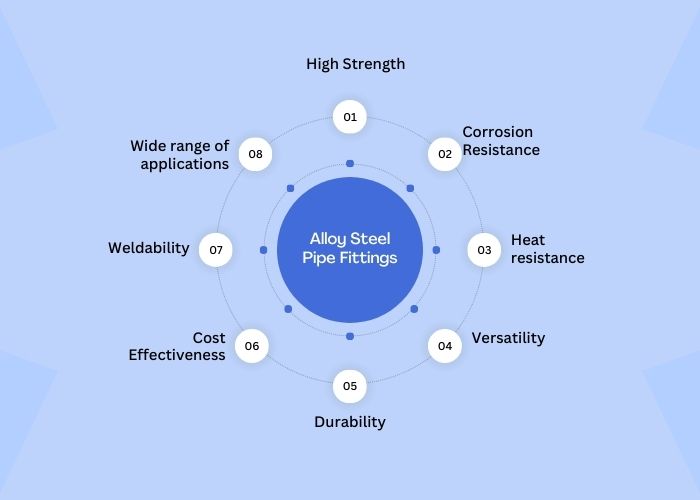
High Strength: Alloy steel pipe fittings display outstanding mechanical characteristics, such as high tensile strength and rigidity, which makes them well-suited for demanding uses that call for strength.
Corrosion Resistance: Alloy steel pipe fittings offer greater resistance to corrosion and oxidation, particularly when compared with ordinary carbon steel fittings. This corrosion resistance comes from incorporating alloying elements like chromium, nickel and molybdenum.
Heat resistance: Alloy steel pipe fittings can endure high temperatures and severe operating conditions without undergoing deformation or failure. This makes them perfect for use in hot settings such as refineries, chemical plants and power plants.
Versatility: Alloy steel pipe fittings come in a broad selection of sizes, shapes and configurations, permitting great flexibility in design and installation. They can be readily engineered to satisfy particular project requirements.
Durability: Because of their high strength and corrosion resistance, alloy steel pipe fittings last longer in service than other materials, cutting maintenance costs and downtime for industrial systems.
Cost Effectiveness: Although the upfront cost of aggregates may be high relative to some other components in steel pipe, their durability and performance make them cost-effective across the life of the system
Weldability: Alloy steel pipe fittings are typically simple to weld and fabricate, enabling them to be correctly installed and assembled. This helps streamline production and lower labour costs.
Wide range of applications: Alloy steel pipe fittings are employed across various industries such as oil and gas, petrochemicals, electricity generation, aerospace, automotive, etc. Their versatility renders them suitable for a wide range of applications, from high-pressure piping systems to structural components.
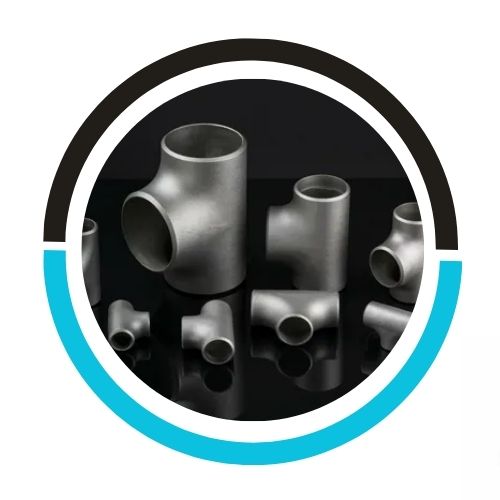
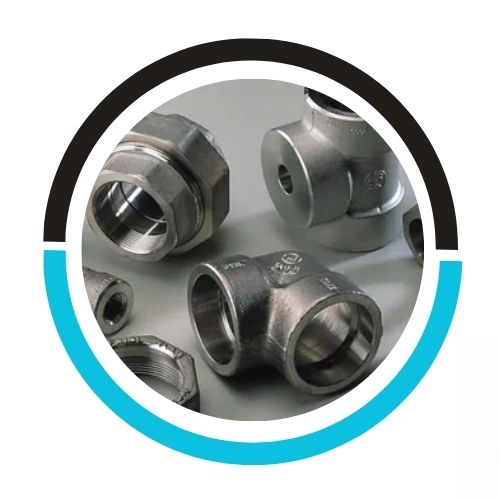
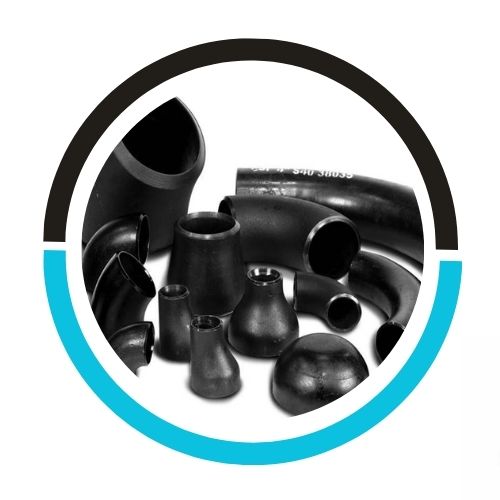
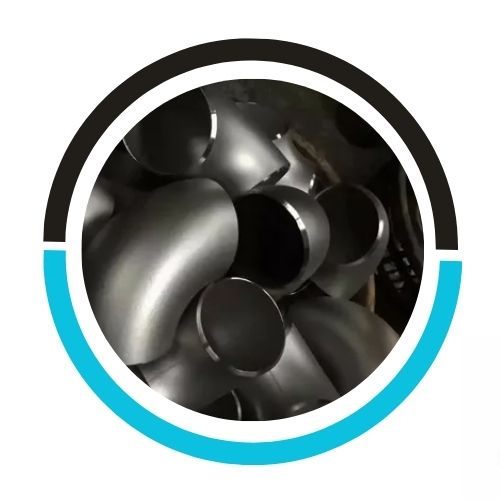
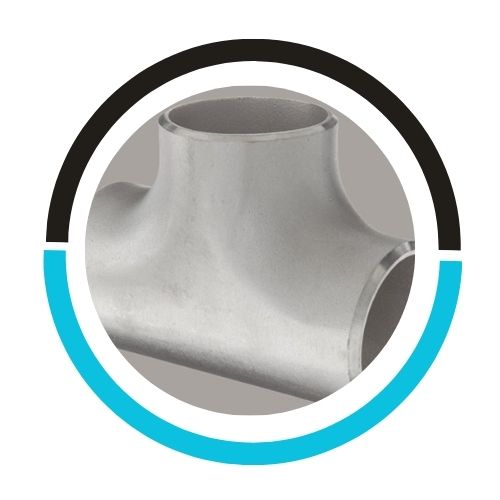
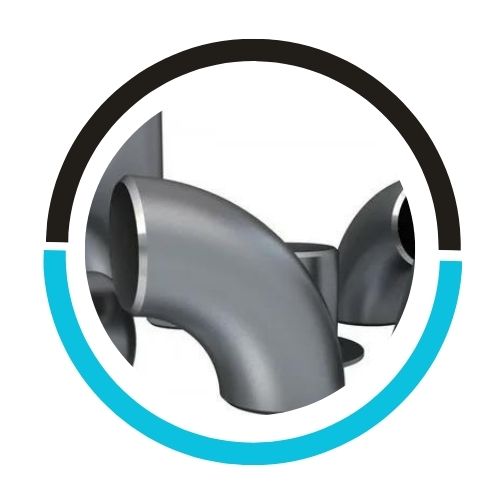
Alloy Steel Pipe Fittings applications are as varied as the industries they cater to, driven mainly by the aerospace, railway, construction and automotive industries along with petrochemical, nuclear, medical, Oil & Gas, Chemical, Pharmaceutical, Food & Beverage, Nuclear, Thermal Power plants, Paper and Pulp, marine and mining, etc.
Oil and Gas Industry: Alloy steel pipe fittings see extensive application across the oil and gas sector, serving both upstream and downstream operations in pipelines, refineries, petrochemical plants and offshore platforms for carrying crude oil, natural gas and petroleum products . . . . Such materials are capable of enduring the high-pressure and high-temperature environments typical of the oil and gas sector.
Power generation: Alloy steel pipe fittings serve as key components in power plants, encompassing thermal and nuclear facilities as well as renewable energy setups. Owing to their capacity to endure extreme temperatures and pressures, they find use in boiler systems, steam piping, heat exchangers and turbine components
Chemical processing: Chemical plants employ alloy steel pipe fittings to manage corrosive chemicals, acids and alkalis. Their outstanding corrosion resistance makes them well-suited for critical applications where ordinary carbon steel inserts may readily degrade or break down.
Petrochemical Industry: Petrochemical plants depend on alloy steel pipe fittings to convert and refine raw materials into a range of chemicals. These materials are applied in reactors, distillation columns, heat exchangers and storage tanks to guarantee efficient use and handling of chemicals.
Aerospace and Safety: Alloy steel pipe fittings hold significance in aerospace and defence applications, which demand materials that are both lightweight and strong. They are applied in aircraft hydraulic systems, engine parts, missile systems and military vehicles thanks to their strength and interiority, equal weight and resistance to harsh environmental conditions
Automotive Industry: Alloy steel pipe fittings find use in the automotive industry within exhaust systems, chassis components, and suspension systems. Their considerable strength and durability contribute to better vehicle performance, reliability and safety.
Construction and infrastructure: Alloy steel pipe fittings are applied in construction and infrastructure across building projects such as bridges, buildings, and stadiums. They deliver structural support and integrity, particularly in locations exposed to severe weather conditions and heavy loads.
Mining and Metals: The mining and metals industry counts on alloy steel pipe fittings to manage abrasive material, slurries and corrosive fluids within mineral processing operations. These fittings are deployed in crushers, mills, conveyors and ore processing plants to secure dependable operation and reduce downtime.
Identify functional requirements: Outline the exact needs of your piping system, covering pressure, temperature, corrosion resistance, and environmental factors.
Size and Dimensional Compatibility: Verify that the fitting matches the size and dimensions of your piping system. Review the nominal pipe size (NPS), wall thickness, and fitting size to guarantee correct fit and alignment.
Check Heat and Pressure: Make sure the alloy steel fittings you select can handle the heat and pressure conditions of your piping system. Refer to product specifications and industry standards for direction.
Consider corrosion resistance: Establish the level of corrosion resistance your application demands. Alloy steel pipe fittings containing high chromium or nickel offer outstanding corrosion resistance in severe environments.
Understand the properties of alloys: Get to know the different components and characteristics. Alloy steel grades differ in strength, corrosion resistance, and temperature tolerance.
Yes, alloy steel pipe fittings can be recycled. Alloy steel is a category of steel that contains a range of alloying elements like chromium, nickel, and molybdenum. Through several recycling methods, including melting and finishing, these compounds can be extracted and recovered. Recycling alloy steel pipe fittings supports the conservation of natural resources, lowers energy use, and lessens environmental impact by keeping waste out of landfills. In addition, recycled alloy steel can be used to make new pipe fittings and other products, contrib
Chromium, nickel, molybdenum, vanadium, and manganese are the alloys most frequently found in alloy pipes. Depending on what a particular application demands, these elements are incorporated to enhance qualities like strength, resistance to corrosion, and thermal resistance
Correctly installing and maintaining alloy steel pipe fittings is essential for peak performance and durability. Adhere to the manufacturer’s guidelines for installation, covering correct assembly, torque, and cover. Regular inspections and upkeep—like looking for leaks, corrosion, or wear and swapping out damaged parts as needed—help maintain pipeline integrity and reliability.
Contact Us: +91 7208967217
Mail: sales@sumakhsteel.com