Alloy Steel Pipes

Home > Alloy Steel > Alloy Steel Pipes

Alloy Steel Pipes Suppliers, Manufacturer in California, USA

Alloy Steel Seamless Pipes Exporter in USA, Alloy Steel Pipes Supplier in California, Seamless Alloy Steel Pipes Dealer in USA

Table of Contents

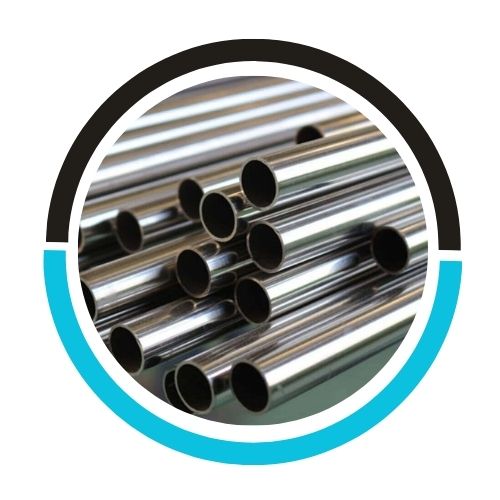
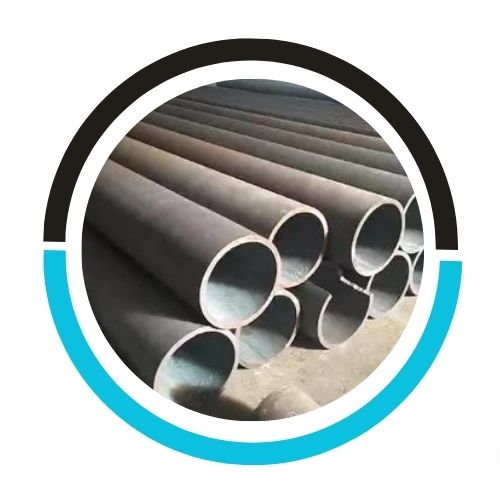
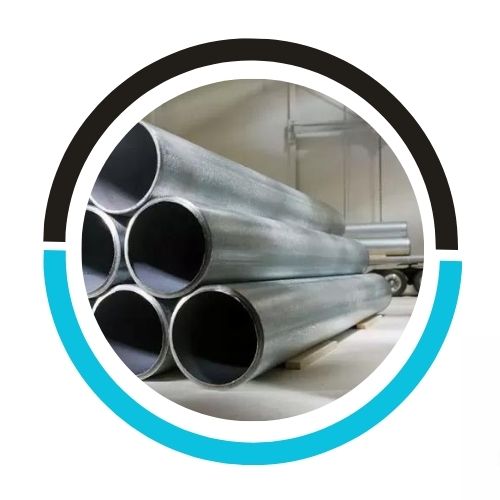
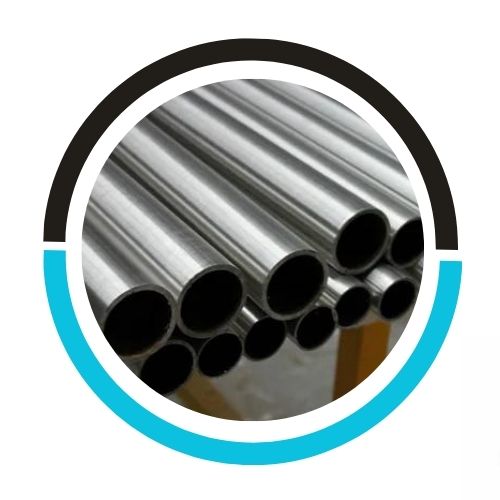
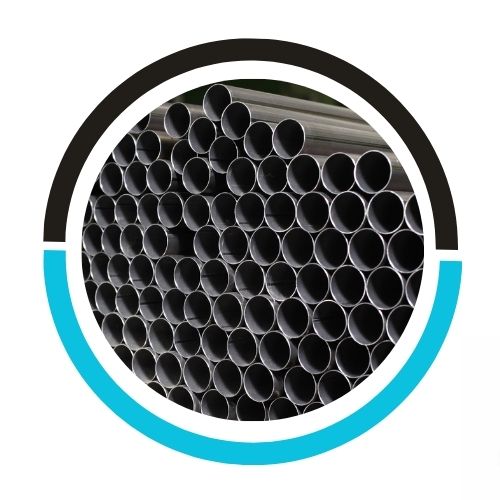
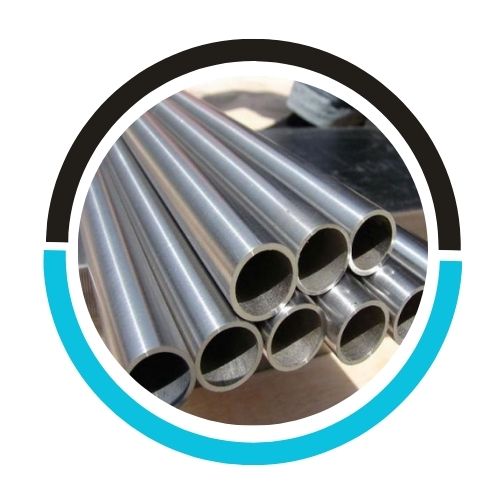
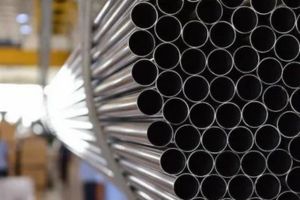
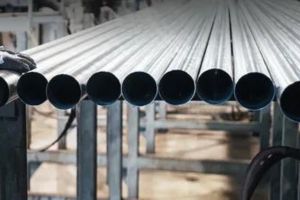
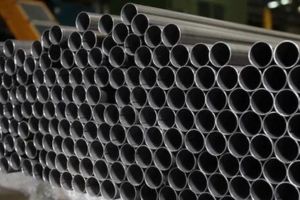
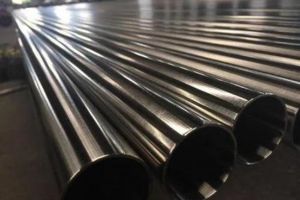
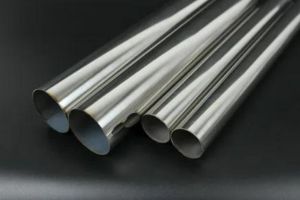
Alloy steel pipes are manufactured from a mixture of steel enriched with elements such as chromium, molybdenum, and nickel, in addition to the standard iron and carbon. This distinctive makeup gives them exceptional mechanical qualities, delivering increased strength, hardness, and resistance to corrosion and extreme temperatures relative to ordinary carbon steel pipes. Present throughout industries such as oil and gas, power generation, and automotive, alloy steel pipes are valued for their durability, reliability, and performance in challenging conditions. They fulfill a wide range of functions, from pipelines to structural components and machinery, playing an essential role in boosting the efficiency and dependability of industrial operations.

Alloy Steel Pipes Specifications

Dimensions

:

ASTM, ASME and API

Standard

:

ASTM / ASME SA335

Size

:

1/8″NB TO 30″NB IN

Specialized in

:

Large Diameter Size

Schedule

:

SCH20, SCH30, SCH40, STD, SCH80, XS, SCH60, SCH80, SCH120, SCH140, SCH160, XXS

Form

:

Round

Type

:

Seamless / Fabricated

Length

:

Single Random, Double Random & Cut Length.

End

:

Plain End, Beveled End, Threaded

Alloy Steel Pipes Chemical Composition

C %

Mn %

P %

S %

S i%

Cr %

Mo %

0.10-0.20

0.30-0.60

0.025 max

0.025 max

0.10-0.30

0.50-0.81

0.44-0.65

Alloy Steel ERW Pipes Exporter in USA, CrMo Pipes Exporter in USA, Alloy Seamless Pipes Exporter in New York, Welded Alloy Steel Pipes Stockist in New York

Other Grades

Alloy Steel Pipes Mechanical Properties

Tensile Strength, MPa

Yield Strength, MPa

Elongation, %

415 min

205 min

30 min

Top Alloy Steel Pipe Manufacturing Company in California

At Sumakhsteel, we’re proud to be the largest supplier and manufacturer in the USA, delivering advanced solutions for every one of your piping requirements. With cutting-edge manufacturing facilities positioned strategically across the USA, we maintain an extensive stock of more than 25,000 tons of top-grade materials kept ready in inventory.

Reach out to us for a fast quote tailored to your requirement.

We supply these Alloy Steel Pipe conforming to DIN, ISO, JIS or ANSI Standard.

Alloy Steel Pipe Manufacturer in USA, Alloy Steel Pipe Dealer in Texas, Alloy Steel Pipe Supplier in Texas, Alloy Steel Pipe Exporter in California, Alloy Steel Pipe Stockist in New York, Alloy Steel Pipe Price List

Advantages of Alloy Steel Pipe

xr:d:DAF9lssIvso:32,j:6418049045671135116,t:24022310
  1. Enhanced Mechanical Properties: Alloy steel pipes deliver enhanced mechanical characteristics, such as greater strength, hardness, and durability against wear and tear when compared to standard carbon steel pipes.
  2. Corrosion Resistance: Owing to their alloyed makeup, these pipes provide outstanding corrosion resistance, which makes them well-suited for use in corrosive settings like oil and gas production facilities and chemical processing plants.
  3. High-Temperature Resistance: Alloy steel pipes are able to endure high temperatures while maintaining their structural integrity, which makes them appropriate for high-temperature applications such as power generation and industrial furnaces.
  4. Versatility: Because of their versatility and capacity to satisfy particular performance needs, alloy steel pipes serve a wide array of applications throughout industries, spanning from pipelines and structural components to machinery and equipment.
  5. Durability: Thanks to their sturdy build and their resistance to mechanical stress and corrosion, alloy steel pipes demonstrate remarkable durability, guaranteeing a long service life and lower maintenance demands.
  6. Cost-Effectiveness: Although they carry a higher upfront cost than carbon steel pipes, alloy steel pipes provide long-term savings owing to their prolonged service life, lower maintenance requirements, and better performance in demanding applications.

Types of Alloy Steel Pipe

Alloy Steel Pipes in USA
Alloy Steel Pipe
Alloy Steel Seamless Pipe in USA
Alloy Steel Seamless Pipe
Alloy Steel ERW Pipe in USA
Alloy Steel ERW Pipe
AISI Alloy Steel Pipe in USA
AISI Alloy Steel Pipe
Alloy Steel Welded Pipe in USA
Alloy Steel Welded Pipe
Alloy Steel Round Pipe in USA
Alloy Steel Round Pipe

Alloy Steel Pipe Exporter in Texas, Price List of Alloy Steel Pipe in California, USA, Alloy Steel Seamless Pipe Distributor in Texas

Alloy Steel Pipe Applications

Application Industry

Alloy Steel Pipe uses are as varied as the industries they support, led chiefly by the aerospace, railway, construction and automotive industries along with petrochemical, nuclear, medical, Oil & Gas, Chemical, Pharmaceutical, Food & Beverage, Nuclear, Thermal Power plants, Paper and Pulp, marine and mining, etc.

Oil & Gas Industry

Chemical Processing Plants

Power Generation

Automotive Industry

  1. Oil and Gas Industry: Alloy steel pipes see widespread use in the oil and gas industry for moving crude oil, natural gas, and refined petroleum products. Serving as essential parts of pipelines, well casings, and drilling equipment, they deliver corrosion resistance and durability under demanding operating conditions.
  2. Power Generation: Alloy steel pipes are integral to power generation facilities, such as thermal power plants and nuclear reactors. Used in boiler tubes, steam lines, and turbine components, they endure high temperatures and pressures, helping to enable efficient energy production.
  3. Chemical Processing Plants: Alloy steel pipes are essential in chemical processing plants for managing corrosive fluids and chemicals. Applied in piping systems, reactors, and heat exchangers, they supply corrosion resistance and reliability within aggressive chemical environments.
  4. Automotive Industry: Alloy steel pipes are used in the automotive sector to produce exhaust systems, chassis components, and engine parts. Their high strength and resistance to heat and corrosion help boost performance and extend service life in automotive applications.
  5. Construction and Infrastructure: Alloy steel pipes serve construction and infrastructure projects for structural support, water supply, and drainage systems. Delivering durability, strength, and corrosion resistance, they improve the reliability and longevity of buildings, bridges, and infrastructure.

How to Choose the Right Alloy Steel Pipe

  1. Identify Your Application Requirements: Identify what your project specifically calls for, including factors like pressure, temperature, corrosion resistance, and strength.
  2. Understand Alloy Steel Grades: Get to know the various alloy steel grades and what characteristics they offer. Widely used grades include ASTM A335 (for high-temperature service) and ASTM A519 (for mechanical tubing).
  3. Consider Corrosion Resistance: Should your application be exposed to corrosive conditions, opt for alloy steel pipes that resist corrosion, like stainless steel or nickel-based alloys.
  4. Evaluate Mechanical Properties: Review the mechanical properties your application demands, such as tensile strength, yield strength, and impact resistance. Pick alloy steel pipes whose mechanical properties are appropriate for your needs.
  5. Check Temperature Resistance: Establish the range of operating temperatures for your application and select alloy steel pipes capable of enduring those temperatures without sacrificing performance.
  6. Size and Dimensions: Take into account the size, wall thickness, and dimensions of the alloy steel pipe your project requires. Confirm that it works with your existing systems and equipment.
  7. Cost and Budget Constraints: Weigh how cost-effective the various alloy steel choices are while making sure they satisfy the quality and performance standards your application demands.
  8. Consult with Experts: Consult metallurgical specialists or suppliers who focus on alloy steel pipes. They can offer useful insights and recommendations tailored to your particular requirements.
  9. Compliance with Standards: Confirm that the alloy steel pipes meet applicable industry standards and regulations, including ASTM, ASME, or API standards, to ensure both quality and safety.

Can Alloy Steel Pipe be Welded?

Yes Alloy steel pipes can also be joined using several standard welding methods, including arc welding, gas tungsten arc welding (GTAW), gas metal arc welding (GMAW), or submerged arc welding (SAW). To preserve the strength and mechanical characteristics of the weld joint, it is important to follow correct welding procedures, use appropriate filler materials, and apply suitable pre- and post-weld heat treatments. For the best outcomes, it is recommended to seek guidance from welding specialists who understand the particular alloy composition and the associated welding needs.

High Pressure Steel Pipe Exporter in USA, AS Pipe Supplier in Texas, Seamless Alloy Steel Pipe Dealer in New York

FAQ (Frequently Asked Questions)

Are Alloy Steel Pipes Recyclable?

Yes Alloy steel pipes are recyclable. Steel, alloy steel included, ranks among the most widely recycled materials worldwide. Recycling alloy steel pipes helps preserve natural resources, cuts energy use, and lessens environmental impact by lowering the demand for new raw materials. Furthermore, recycling alloy steel pipes supports the circular economy by keeping waste out of landfills and encouraging sustainable practices across the manufacturing and construction industries. Through recycling methods like melting and refining, alloy steel pipes can be repurposed into new products, thereby extending their lifecycle and enhancing their environmental benefits.

How are Alloy Steel Pipes Sized?

Alloy steel pipes are generally dimensioned according to their outer diameter (OD) and wall thickness. Common sizing standards, like nominal pipe size (NPS) or outside diameter (OD), are widely used to define the dimensions of alloy steel pipes. Wall thickness is designated by schedule, where higher schedule numbers indicate thicker walls. Precise sizing guarantees compatibility with fittings, connectors, and structural needs across a range of industrial applications.

Can Alloy Steel pipes be Used for Underground Applications?

Alloy steel pipes can indeed be used for underground applications, though certain factors must be considered to guarantee their durability and longevity in these settings. Underground conditions can subject pipes to elements such as moisture, soil acidity, and corrosive substances, which over time may cause corrosion and deterioration.

Other Material

Post Enquiry

Fill out the form below, and we will be in touch shortly.