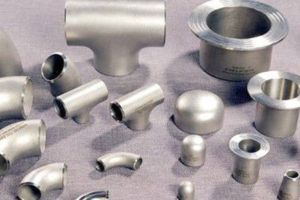
Dive into a world of unmatched quality with our selection of Titanium pipe fittings. Our lineup offers a full range of top-tier solutions carefully engineered to provide exceptional performance across a broad variety of industrial uses. Enjoy the flexibility and reliability of our precision-built fittings, made to exceed the industry’s toughest benchmarks for durability and corrosion resistance. As your trusted supplier, we place customer satisfaction ahead of everything else. That commitment shows in the customizable options, competitive pricing, and rapid delivery we offer, making sure your particular needs are handled with maximum efficiency. Whether for construction, manufacturing, or industrial ventures, our Titanium pipe fittings represent excellence and innovation, strengthening your projects with reliable solutions and setting a new benchmark of perfection
| Specification : | ASTM B 363 / ASME SB 363. |
| Dimensions : | ASME B16.9, ANSI B16.9, ASME B16.28, ANSI B16.28, ANSI B16.25, MSS-SP-43. |
| Size : | ½”NB to 24”NB in Sch 10s, 40s, 80s, 160s, XXS. |
| Schedule : | SCH 10, SCH20, SCH30, SCH40 |
| Types : | Seamless / ERW / Welded / Fabricated |
| Grades : | Titanium Gr 1, Titanium Gr 2, Titanium Gr-5, Titanium Gr 7 |
| Element | Density | Melting Point | Tensile Strength | Yield Strength (0.2%Offset) | Elongation | |
| Titanium Pipe Fittings | Titanium Gr. 2 | 4.5 g/cm3 | 1665 °C (3030 °F) | Psi – 49900 , MPa – 344 | Psi – 39900 , MPa – 275 | 20 % |
| Titanium Pipe Fittings | Ti | C | Fe | H | N | O | Al | V | |
| 99.2 min | 0.1 max | 0.3 max | 0.015 max | 0.03 max | 0.25 max | – | – |
At Sumakhsteel, we take great pride in being the largest supplier and manufacturer in the USA, delivering advanced solutions for every piping requirement you have. Equipped with modern production facilities purposefully situated in the USA, we maintain an extensive stock of more than 25,000 tons of top-grade materials kept ready and available.
Reach out to us for a fast quote tailored to your requirement.
We supply these Titanium Pipe Fittings in accordance with DIN, ISO, JIS or ANSI Standard.
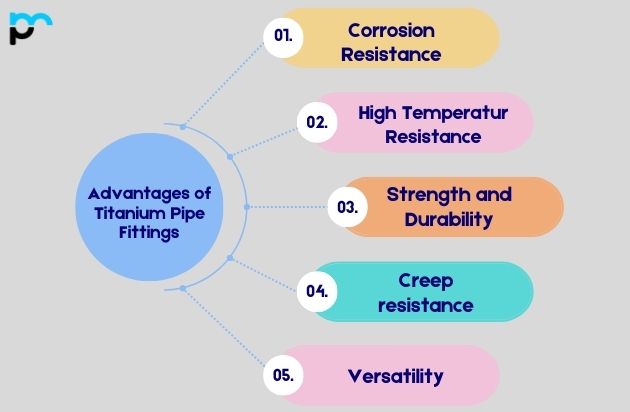
Resistance to water: Titanium demonstrates outstanding corrosion resistance, particularly in harsh conditions like seawater, acidic solutions, and chemical reactions. This resistance makes titanium pipe fittings well-suited for industrial applications where corrosion is a significant concern.
High strength-to-weight ratio: Titanium offers a high strength-to-weight ratio, making it considerably lighter than steel while retaining solid strength and durability where weight savings are required, such as in the aerospace, automotive and marine industries, where these qualities prove valuable.
High Temperature Resistance: Titanium retains its strength and integrity at high temperatures, making it appropriate for high-temperature applications, such as heat exchangers, air a exposed to air and equipment operating at high temperatures
Biocompatibility: Titanium is biocompatible and non-toxic, making it appropriate for use in medical implants, surgical instruments and medical devices. Its inert and corrosion-resistant characteristics within the human body support its important role in medicine.
Low-temperature expansion: Titanium shows low thermal expansion, minimizing shape changes when temperatures vary. This characteristic is valuable in applications where dimensional stability matters, such as aerospace materials and precision engineering.
Manufacturing efficiency: Titanium can be readily manufactured through conventional methods such as machining, welding and fabrication. This ease of manufacturing allows for the creation of intricate designs and tailored products to meet specific application needs.
Longevity and Durability: Titanium pipe fittings offer a long service life thanks to their corrosion resistance, high strength and durability. They deliver dependable performance and demand minimal maintenance throughout their service life, cutting down on downtime and maintenance expenses.
Environmental sustainability: Titanium is environmentally friendly and recyclable, supporting sustainable practices in environmentally sensitive industries. Collision is a concern. Recycling titanium lowers energy use compared to mainstream processes and preserves natural resources.
Versatility: Titanium pipe fittings are versatile and can be applied across industries such as aerospace, marine, chemical, medical, and automotive, where their distinctive combination of features delivers the greatest benefit
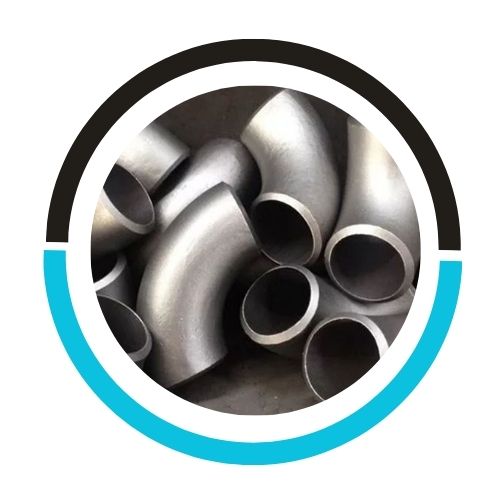
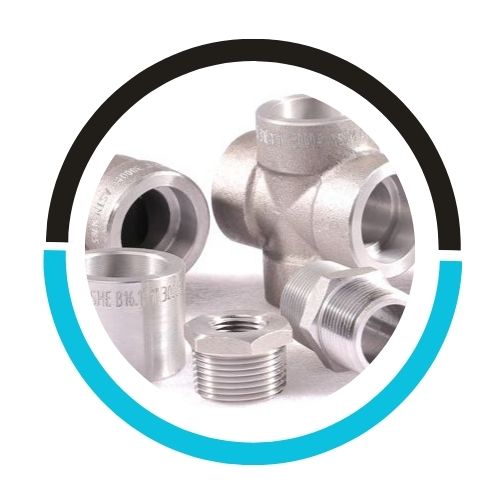
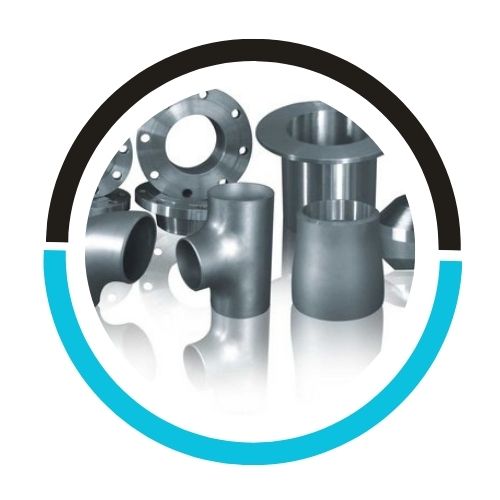
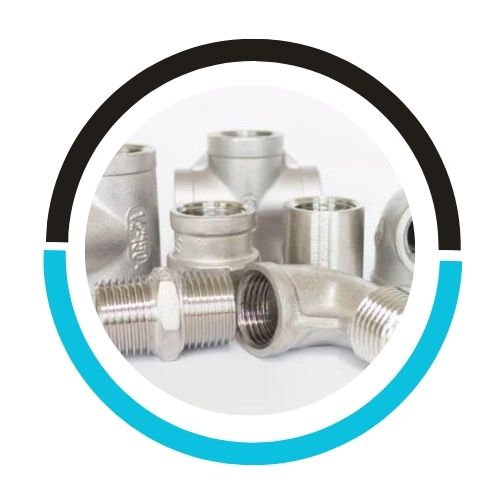
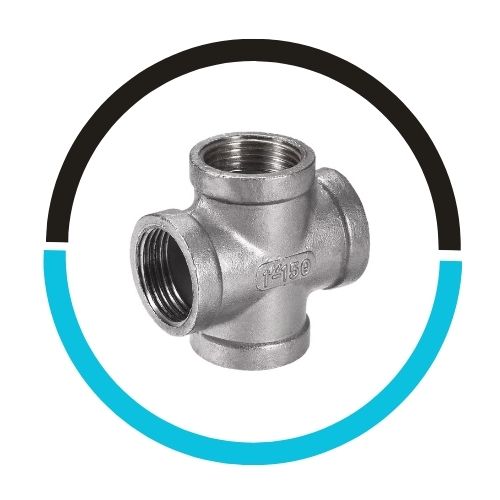
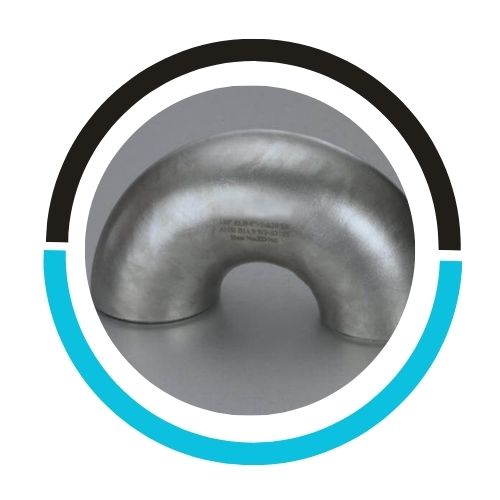
Titanium Pipe Fittings serve applications as varied as the industries that use them, led chiefly by the aerospace, railway, construction and automotive sectors, along with petrochemical, nuclear, medical, Oil & Gas, Chemical, Pharmaceutical, Food & Beverage, Nuclear, Thermal Power plants, Paper and Pulp, marine and mining, etc.
Aerospace Industry: Titanium pipe fittings are widely employed in the production of aircraft and spacecraft for fuel lines, hydraulic systems, structural materials, and more. Being both lightweight and durable, they help improve fuel efficiency and function well in space applications.
Chemical applications: In the chemical industry, titanium pipe fittings are relied upon to manage volatile chemicals and liquids at high temperatures. They are found in reactors, heat exchangers, piping systems, and other equipment where corrosion resistance and durability are crucial.
Marine Applications: Because they withstand seawater and demanding marine conditions, titanium pipe fittings are well suited to marine applications, which is why they appear in shipbuilding, offshore platforms, desalination plant installation, the production of marine piping, heat exchangers, exhaust systems, and other products
Medical Industry: Owing to their biocompatibility and non-toxicity, titanium pipe fittings are applied in medical devices and equipment. They serve in surgical instruments, implants, and medical devices that call for corrosion resistance, strength, and compatibility with the human body.
Power generation: Titanium pipe fittings are employed in power plants, spanning nuclear power, fossil fuels, and renewable energy. They are used in applications like heat exchangers, condensers, and piping systems that demand corrosion resistance and high-temperature operation
Oil and Gas Industry: Titanium pipe fittings serve the oil and gas sector in offshore drilling rigs, subsea pipelines, and processing equipment. Deployed in environments with high corrosion and erosion, they provide lasting reliability, performance, and availability.
Automotive Sector: Within the automotive industry, titanium pipe fittings are applied to uses such as exhaust systems, turbochargers, and fuel lines. Because they are lightweight, they help improve fuel economy and efficiency in vehicles.
Identify application requirements: Get to know the usual operating conditions, such as temperature, pressure, environmental corrosion, and water properties. This knowledge will help you identify the suitable titanium levels and information needs for pipe fittings.
Consider corrosion resistance: Titanium alloys offer outstanding corrosion resistance, though the level of resistance can differ based on alloy composition and environmental conditions. Take into account exposure to seawater, acid, or alkali and select the right corrosion-resistant titanium grade for your application.
Check strength and durability: Titanium alloys display exceptional strength and durability, but various compositions can offer different mechanical properties. Take into account the strength demands of your project, such as pressure levels and structural integrity, and pick a titanium pipe filter that satisfies these needs.
Size and Design Requirements: Select titanium pipe fittings whose size and thickness align with the specifications of your piping system. Confirm compatibility with existing pipe sections and take into account nominal pipe size (NPS), outside diameter (OD), and wall thickness.
End connections: Take into account end connections to titanium pipelines, such as welded, threaded, or flanged ends, based on installation needs and compatibility with other pipe components. Make sure seals and connections are tested and maintained to avoid leaks or failure.
Materials Use and Compliance: Make sure titanium pipe fittings meet relevant industry standards and specifications, such as ASTM, ASME, ANSI, and DIN standards. Confirm that material certification accompanies the fitting to verify the quality and compliance of the titanium alloy used.
Construction and Installation Requirements: Assess the construction and installation requirements for titanium pipe, including welding techniques, machinery, and assembly methods, and choose materials that conform to the construction practices and methods around which it is arranged.
Consider long-term maintenance: Select titanium pipe fittings that deliver long-term stability and call for minimal maintenance throughout their life. Factors such as corrosion resistance, material strength, and resistance to fatigue or corrosion have to be weighed to guarantee reliable and durable performance.
Yes, Titanium is suitable for underground applications thanks to its outstanding corrosion resistance, even under demanding soil conditions. Because titanium resists corrosion caused by moisture, salts, and chemicals, it works well for underground piping systems, drainage systems, and structural components. Correct installation methods, such as sufficient protection from physical damage and corrosion, guarantee the lasting performance and dependability of titanium in underground settings. Furthermore, titanium’s low weight makes transportation and installation easier in underground applications
Yes, titanium pipe fittings are weldable through methods like gas tungsten arc welding (GTAW) or gas metal arc welding (GMAW). That said, correct welding procedures and precautions must be followed to preserve the material’s properties and integrity.
Titanium pipe fittings tend to cost more than fittings produced from other materials because of titanium’s high price and the intricate manufacturing steps required. That said, their durability over time and resistance to corrosion may make the upfront cost worthwhile
Titanium pipe fittings typically call for little upkeep thanks to their corrosion resistance and durability. That said, routine checks for damage or leaks are advised to keep them performing reliably in tough environments
Phone Us: +91 7208967217
E-mail: sales@sumakhsteel.com