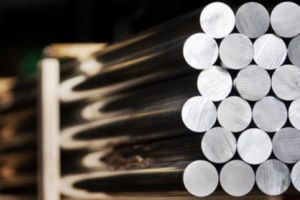
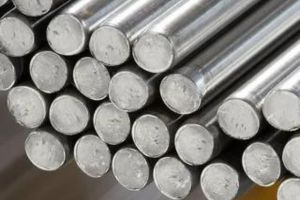
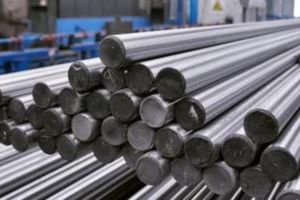
Our company takes tremendous pride in showcasing a wide selection of Titanium Bars carefully sourced from trustworthy vendors celebrated for their skill in producing high-quality titanium products. These bars serve as vital components across countless applications, delivering unmatched flexibility in size, grades, and adherence to industry standards to meet the diverse needs of our customers. Highly demanded in both construction and engineering fields, our premium Titanium Bars are prized for their outstanding resistance to corrosion and abrasion, guaranteeing extended durability even under harsh conditions. By incorporating titanium alloys, these bars experience a transformative boost in hardenability during heat treatment, yielding consistently enhanced mechanical properties throughout their entire cross-section.
| Specifications | : | ASTM B348/ ASTM SB348 |
| Dimensions | : | EN, DIN, JIS, ASTM, BS, ASME, AISI |
| Size | : | 5 mm To 500 mm |
| Diameter | : | 0.1 mm to 100 mm |
| Length | : | 100 mm To 3000 mm Long & Above |
| Finish | : | Black, Bright Polished, Rough Turned, NO.4 Finish, Matt Finish, BA Finish |
| Tolerance | : | H8, H9, H10, H11, H12, H13K9, K10, K11, K12 or as per clients’ requirements |
| Form | : | Round, Square, Hex (A/F), Rectangle, Billet, Ingot, Forging Etc. |
| Grade | Tensile Strength | Yield Strength | Elongation In 2 In. Or 50mm Min.,% | Bend Test | |||||
|---|---|---|---|---|---|---|---|---|---|
| Min | Min | Min | Min | Max | Max | Under 0.070 In. (1.8mm) Thickness | 0.070 To 0.187 In. (1.8mm To 4.75mm) Thickness | ||
| Ksi | Mpa | Ksi | Mpa | Ksi | Mpa | ||||
| 1 | 35 | 240 | 20 | 138 | 45 | 310 | 24 | 1.5T | 2T |
| 2 | 50 | 345 | 40 | 275 | 65 | 450 | 20 | 2T | 2.5T |
| 3 | 65 | 450 | 55 | 380 | 80 | 550 | 18 | 2T | 2.5T |
| 4 | 80 | 550 | 70 | 483 | 95 | 655 | 15 | 2.5T | 3T |
| 5 | 130 | 895 | 120 | 828 | … | … | 10 | 4.5T | 5T |
| 7 | 50 | 345 | 40 | 275 | 65 | 450 | 20 | 2T | 2.5T |
| 9 | 90 | 620 | 70 | 483 | … | … | 15 | 2.5T | 3T |
| 12 | 70 | 483 | 50 | 345 | … | … | 18 | 2T | 2.5T |
| Grade | C | N | O | H | Ti | Fe |
| Gr 1 | .08 Max | .03 Max | .18 Max | .015 Max | Bal | .20 Max |
| Gr 4 | .08 Max | .05 Max | .40 Max | .015 Max | Bal | .50 Max |
| Gr 7 | .08 Max | .03 Max | .25 Max | .015 Max | Bal | .30 Max |
| Gr 9 | .08 Max | .03 Max | .15 Max | .015 Max | – | .25 Max |
| Gr 12 | .08 Max | .03 Max | .25 Max | 0.15 Max | – | .30 Max |
At Sumakhsteel, we take great pride in being the largest supplier and manufacturer in the USA, delivering advanced solutions for every one of your piping requirements. With cutting-edge manufacturing facilities strategically situated across the USA, we maintain an extensive inventory of more than 25,000 tons of top-quality materials kept ready in stock.
Reach out to us for a fast quote tailored to your requirement.
We provide these Titanium Bars in accordance with DIN, ISO, JIS or ANSI Standard.
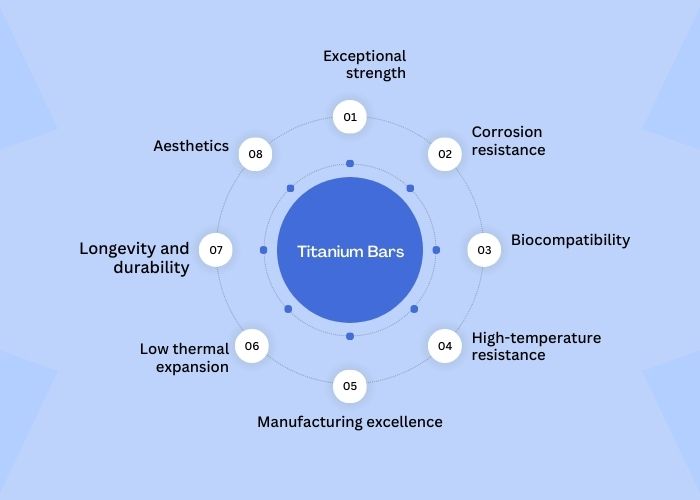
Exceptional strength-to-weight ratio: Titanium fibres deliver one of the greatest strength-to-weight ratios found in steel, which makes them perfect for uses that demand lighter weight while still preserving structural integrity in withstanding damage
Corrosion resistance: Titanium plates show outstanding corrosion resistance, even under severe conditions like marine or medical settings. This resistance to corrosion comes from the creation of hard oxides on the titanium’s surface, which supplies lasting protection.
Biocompatibility: Titanium is biocompatible, meaning the human body tolerates it well, and it is frequently applied in medical implants, prosthetics and surgical devices. Its inert nature and capacity to bond with living tissue make it a superb option for medical uses.
High-temperature resistance: Titanium fibers withstand high temperatures, which makes them fit for high-temperature uses, such as aerospace components, engine components and exhaust systems
Manufacturing excellence: Titanium plates can be machined with ease, welded and shaped, and permit intricate shapes and patterns. This manufacturing versatility offers flexibility across a broad range of production processes.
Low thermal expansion: Titanium features a low thermal expansion, which means it expands and contracts less as temperatures shift. This trait adds to durability and dependability across various uses.
Longevity and durability: Titanium bars enjoy a long lifespan thanks to their inherent resistance to corrosion, fatigue and wear. They provide excellent stability and dependability even under challenging operating conditions.
Aesthetics: Titanium metal’s distinctive lustre and colour bring aesthetic value, making it sought after for architecture, jewellery and accessories
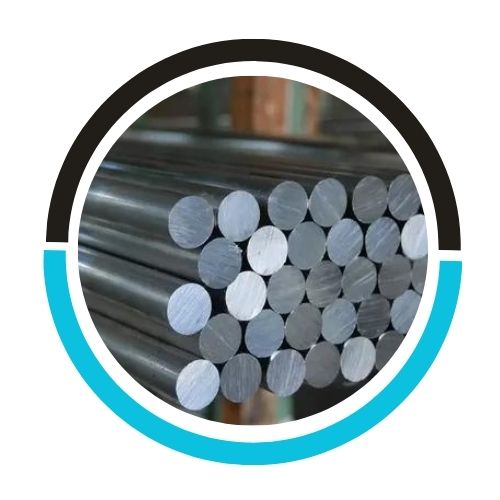
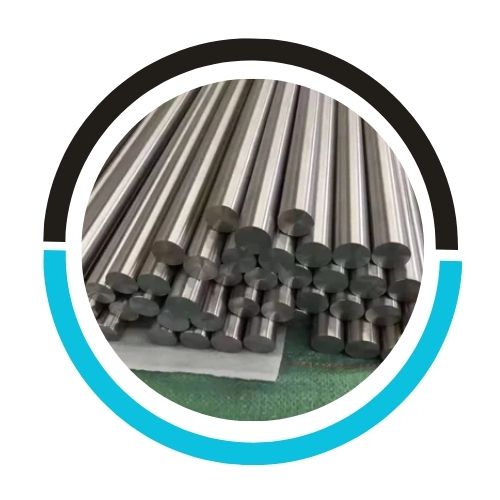
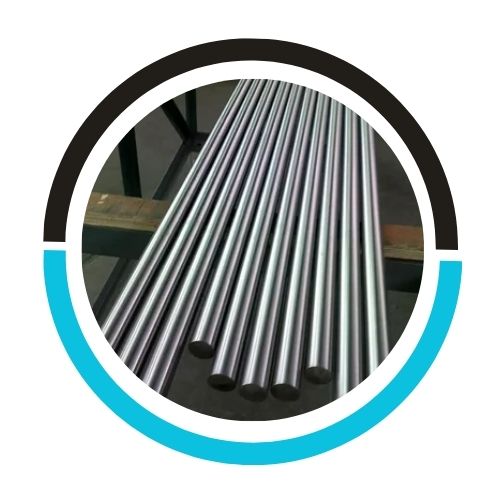
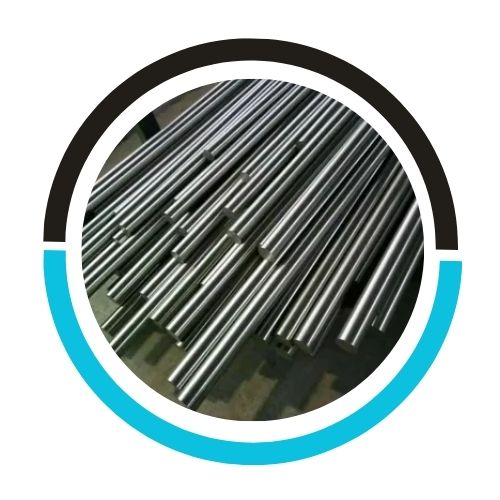
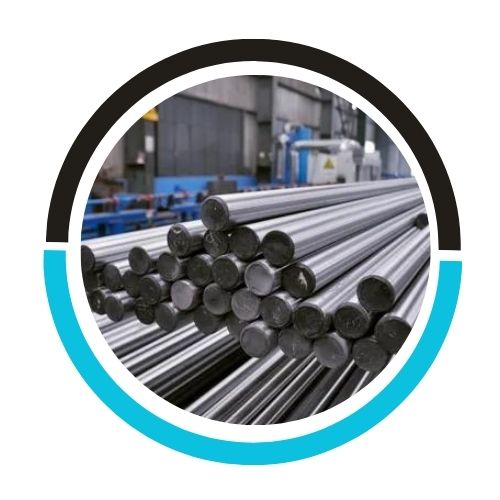
Titanium Bars have applications as varied as the industries they cater to, led chiefly by the aerospace, railway, construction and automotive industries along with petrochemical, nuclear, medical, Oil & Gas, Chemical, Pharmaceutical, Food & Beverage, Nuclear, Thermal Power plants, Paper and Pulp, marine and mining, etc.
Aerospace Materials: Titanium alloys see extensive use across the aerospace sector for producing aircraft structural parts, engine parts, landing gear and fasteners because of their high strength, low weight and resistance to corrosion. They serve aircraft manufacturing well, contributing to better fuel efficiency and performance.
Medical implants: Titanium wires offer biocompatibility and resistance, which makes them well suited to medical implants like dental implants, orthopaedic implants ( such as hip and knee replacements), surgical devices, and pharmaceuticals.
Pharmaceutical equipment: Titanium strips serve the pharmaceutical industry in corrosion-resistant equipment like heat exchangers, reactors, valves, and piping systems, and their resistance to chemical corrosion and elevated temperatures guarantees equipment deliverability, reliability, and durability in demanding chemical environments.
Marine applications: Titanium plates serve marine applications thanks to their outstanding corrosion resistance in salt water. They are applied in marine processing plants, propeller shafts, offshore platforms and seawater desalination plants, where durability and resistance to seawater degradation matter most.
Automotive components: Titanium plates are seeing growing use to cut vehicle weight and boost fuel efficiency. They feature in exhaust systems, suspension components, engine parts and racing components owing to their lightweight nature and high strength
Sports equipment: Bicycles and additional sports equipment are built from titanium tubing
Sports Equipment: Titanium fibres feature in sporting goods like bicycle frames, golf club shafts, tennis racquets, and diving equipment. The light weight and high strength of titanium add to the performance and durability of sports equipment share.
Architectural Structure: Titanium plates feature in architectural applications owing to their aesthetics, durability and corrosion resistance. They are built into building facades, fixtures, and art installations to produce a visually appealing and long-lasting design.
Oil and Gas Industry: Titanium strips have applications in the oil and gas industry for fabricating corrosion-resistant equipment, including downholes, tubing, and pipelines. Their resistance to corrosion and high-pressure environments wom makes them well suited to oil drilling and production operations.
Grade of Titanium: Titanium bars come in many grades, each with distinct properties suited to different applications. Common grades range from commercially pure titanium (grades 1-four) to titanium alloys (grades five, 23, and so on). Take into account the necessary strength, corrosion resistance, and temperature resistance when selecting the right grade.
Application Requirements: Identify the specific demands of your application, including mechanical properties, corrosion resistance, biocompatibility (for scientific uses), and temperature resistance. Select titanium bars that satisfy or surpass these requirements to guarantee excellent overall performance and durability.
Size and Dimensions: Take into account the intended size, diameter, length, and shape of the titanium bars in your application. Make sure the bars fall within the necessary dimensions to suit your production method or design specifications.
Surface Finish: Assess the surface finish demands of your application. Certain applications may call for smooth surfaces for aesthetics or lowered friction, while others can accept rougher finishes. Pick titanium bars with the right surface finish to satisfy your application’s needs.
Certifications and Standards: Make sure the titanium cables comply with the industry standards and certifications relevant to your application. Seek out breweries that adhere to ASTM (American Society for Testing and Materials) or international standards for quality and artistry.
Supplier Reputation and Quality: Select a reputable supplier recognized for supplying high-quality titanium plates. Examine supplier listings, certifications, manufacturing processes and quality control procedures to guarantee reliable and consistent quality.
Cost Considerations: Compare the price of titanium cables against your budget constraints. Although high-quality titanium lines can carry a premium price, weigh the long-term advantages in terms of efficiency, durability and lowered maintenance costs
Customization Options: Confirm whether your application calls for customization options, such as special alloys, tolerances, or surface treatments. Pick a supplier that provides customization services to let you tailor titanium bands to your particular needs.
Yes, Titanium strips are applicable in structural settings owing to their outstanding strength-to-weight ratio, resistance to corrosion, fatigue resistance, stability at high temperatures, and biocompatibility. These characteristics are in aerospace, marine, medical systems, and other industries. Titanium plates work well for producing structural components that are both lightweight and durable. Additionally, the straightforward manufacturing of titanium allows for tailored architectural designs to satisfy the requirements of particular materials.
Titanium wires can indeed be welded with the right welding methods. That said, following correct welding procedures matters to prevent degrading the material’s quality.
Titanium bars usually carry a steeper price tag than other metals because of the material’s inherent characteristics, production methods, and restricted supply. That said, the lasting advantages they offer in performance and durability frequently make the upfront cost worthwhile.
Phone Us: +91 7208967217
Email Us: sales@sumakhsteel.com