Home > Stainless Steel Flanges > Stainless Steel 304L Flanges
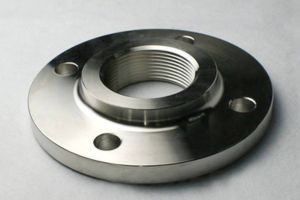
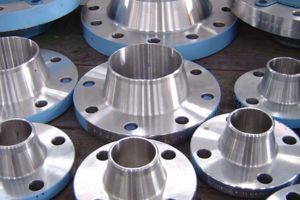
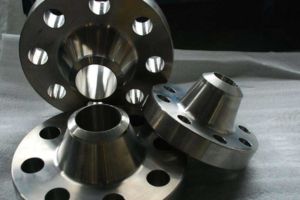
Stainless Steel 304L flanges are vital elements in piping systems, especially in situations where resistance to corrosion and long-lasting performance are of the utmost importance. They are made to order from a variant of the 18-8 austenitic stainless steel family, featuring low carbon content, which delivers outstanding corrosion resistance even in extremely corrosive settings. The characteristics of this grade encompass excellent weldability, formability, and strong mechanical strength, rendering it well-suited for a broad spectrum of uses across sectors like chemical processing, food and beverage, and pharmaceuticals.
| Standard | ASTM A182 / ASME SA182 |
| Dimensions | ANSI/ASME B16.5, B 16.47 Series A & B, B16.48, BS4504, BS 10, EN-1092, DIN |
| Standard | ANSI Flanges, ASME Flanges, BS Flanges, DIN Flanges, EN Flanges |
| Size | 1/2″ (15 NB) to 48″ (1200NB) |
| Class/Pressure | 150#, 300#, 600#, 900#, 1500#, 2500#, PN6, PN10, PN16, PN25, PN40, PN64 |
| Flange Face Type | Flate Face (FF), Raised Face (RF), Ring Type Joint (RTJ) |
| Grade | C | Mn | Si | P | S | Cr | Mo | Ni | N |
| SS 304L | 0.08 max | 2 max | 0.75 max | 0.045 max | 0.030 max | 18 – 20 | – | 8 – 11 | – |
| Density | Melting Point | Tensile Strength | Yield Strength (0.2%Offset) | Elongation |
| 8.0 g/cm3 | 1400 °C (2550 °F) | Psi – 75000 , MPa – 515 | Psi – 30000 , MPa – 205 | 35 % |
At Sumakhsteel, we take pride in being the largest supplier and manufacturer in the USA, delivering advanced solutions for every one of your piping requirements. With cutting-edge manufacturing facilities strategically situated across the USA, we maintain an extensive stock of more than 25,000 tons of top-grade materials available on hand.
Reach out to us for a fast quote tailored to your requirement.
We supply these Stainless Steel 304L Flanges in accordance with DIN, ISO, JIS or ANSI Standard.

Corrosion resistance: A key benefit of 304L stainless steel is how well it resists corrosion. As a result, it works well in a range of very humid settings, chemical applications, and even in the sea.
Aesthetics: Stainless steel 304L has a smooth, bright and glossy look that can boost the visual appeal of items or spaces.
Hygiene products: Stainless steel 304L is non-reactive and simple to clean, which makes it well suited for uses where hygiene matters, such as in the food and beverage industry or the pharmaceutical industry
Easy to manufacture: 304L stainless steel is very malleable and ductile, so it can be readily formed into a variety of shapes, including flanges. This ease of fabrication leads to cost savings in both time and the materials consumed during manufacturing.
High Strength: Stainless steel 304L retains outstanding strength and toughness even under high temperatures. This makes it a good fit for high-pressure and high-temperature settings, such as industrial conditions or steam applications.


Stainless Steel 304L Flanges offer outstanding mechanical properties and withstand wear corrosion, and elevated temperatures, making them common across many industries. Such flanges see extensive use in the oil and gas, petrochemical, power generation, and aerospace sectors. They serve a key role in connecting equipment, valves, and piping systems. Their remarkable strength, toughness, and resistance to wear make them ideal for uses subjected to harsh operating conditions, including high temperatures, high pressures, and corrosive surroundings.
Piping systems: Stainless steel 304L flanges are commonly employed to join pipes, valves and fittings. Because of their corrosion resistance and strength, they work well for carrying a range of fluids like water, chemicals, air and even corrosive substances.
Food and Beverage Industry: Stainless steel 304L flanges are frequently seen in the food and beverage sector thanks to their cleaning properties, food acid-washing chemicals and corrosion resistance. Their use in processing equipment for food and beverage manufacturing stores -Occurs in tanks and piping in the order of the system.
Oil and Gas Industry: Stainless steel 304L flanges are used in the oil and gas industry to link pipeline equipment in surface and downstream operations. Owing to their corrosion resistance and ability to handle high-pressure conditions, they are deployed at drilling rigs, refineries, petrochemical plants and offshore platforms
Chemical applications: Stainless steel 304L flanges join piping and equipment that deals with corrosive chemicals in chemical plants. Their corrosion resistance keeps the system intact and does not produce manufactured products. The work of the is not destroyed.
Operating conditions: Take into account the operating conditions, such as temperature, pressure, and the nature of the liquid or gas being conveyed. Make certain that flanges are checked for their intended performance to avoid failure or leakage.
Compatibility: Verify that stainless steel 304L works well with the water or air being conveyed as well as the other parts of the system. Take into account aspects like chemical compatibility, the risk of galvanic degradation, and any particular application demands.
Facing and finish: Evaluate flange facing and finishes according to the sealing needs of your application. Typical face types are raised face (RF), flat face (FF), and ring-shaped joint (RTJ). Additionally, pick the appropriate wall finish to guarantee solid coverage and guard against corrosion.
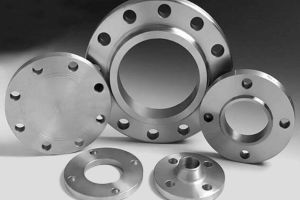
Flange Type: Determine the flange type needed for your application, whether weld neck, slip-on, socket weld, threaded, or blind flange. This selection hinges on factors like the connection method, ease of installation, and the particular requirements of the piping system.
Size and Design: Pick flanges that correspond to the size and dimensions of the piping system or equipment being joined. Flanges are available in a range of sizes and pressure ratings, so select the one suited to your system.
Yes, Stainless Steel 304L Flanges can be welded thanks to their low carbon content, which improves weldability and lessens carbide precipitation. Using correct welding methods and filler materials suited to 304L stainless steel is crucial for producing strong and long-lasting weld joints.
Yes, Stainless Steel 304L Flanges are well-suited for hygienic and sanitary applications thanks to their outstanding corrosion resistance, smooth surface finish, and easy cleanability. They find frequent use in food processing, pharmaceutical, and dairy industries where hygiene is critical, satisfying strict standards for cleanliness and purity.
Yes, Stainless Steel 304L Flanges can be recycled to a high degree once their service life ends. They may be melted and repurposed to manufacture new stainless steel products while retaining their natural characteristics. Recycling stainless steel contributes to preserving natural resources, lowering energy use, and reducing environmental harm, which makes it an environmentally responsible option.
Choose Stainless Steel 304L Flanges according to considerations like pressure ratings, temperature needs, corrosion resistance, and suitability with the fluid or gas being transported. Take into account flange dimensions, types (e.g., slip-on, weld neck), and standards (ANSI, ASME) to guarantee a correct fit and performance in your particular application. Seeking advice from experts can help with selection.
Contact Us: +91 7208967217
Email: sales@sumakhsteel.com