Home > Stainless Steel Flanges >Stainless Steel 304 Flanges
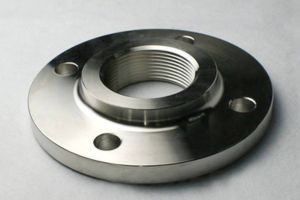
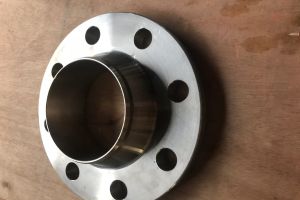
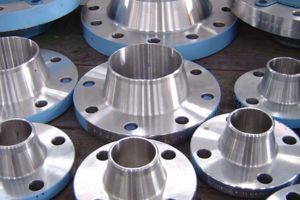
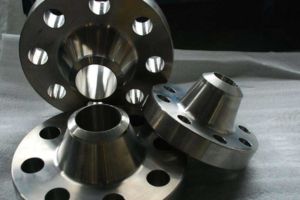
Stainless Steel 304 flanges Standing as essential elements in numerous piping systems, they are prized for their outstanding mechanical capability and corrosion resistance. Made from Stainless Steel 304, this type is well-known for its excellent equilibrium of strength, durability, and corrosion resistance. Owing to a makeup abundant in chromium and nickel, Stainless Steel 304 shows notable resistance to oxidation and corrosion across a broad spectrum of settings, positioning it as a top selection for uses demanding toughness against severe conditions. Additionally, its alloying elements add to its striking mechanical qualities, such as high tensile strength, great formability, and resistance to wear and tear. Ultimately, Stainless Steel 304 flanges act as dependable resources throughout industries, guaranteeing consistent performance and long life amid demanding operational settings.
| Standard | ASTM A182 / ASME SA182 |
| Dimensions | ANSI/ASME B16.5, B 16.47 A & B, B16.48, BS4504, BS 10, EN-1092, DIN |
| Standard | ANSI Flanges, ASME Flanges, BS Flanges, DIN Flanges, EN Flanges |
| Size | 1/2″ (15 NB) to 48″ (1200NB) |
| Class/Pressure | 150#, 300#, 600#, 900#, 1500#, 2500#, PN6, PN10, PN16, PN25, PN40, PN64 |
| Flange Face Type | Flate Face (FF), Raised Face (RF), Ring Type Joint (RTJ) |
| Grade | C | Mn | Si | P | S | Cr | Mo | Ni | N |
| SS 304 | 0.08 max | 2 max | 0.75 max | 0.045 max | 0.030 max | 18 – 20 | – | 8 – 11 | – |
| Density | Melting Point | Tensile Strength | Yield Strength (0.2%Offset) | Elongation |
| 8.0 g/cm3 | 1400 °C (2550 °F) | Psi – 75000 , MPa – 515 | Psi – 30000 , MPa – 205 | 35 % |
At Sumakhsteel, we’re proud to be the largest supplier and manufacturer in the USA, delivering advanced solutions for every one of your piping requirements. With cutting-edge manufacturing facilities strategically positioned across the USA, we maintain an extensive stock of more than 25,000 tons of top-grade materials kept ready and available.
Reach out to us for a fast quote tailored to your requirement.
We supply these Stainless Steel 304 Flanges in accordance with DIN, ISO, JIS or ANSI Standard.
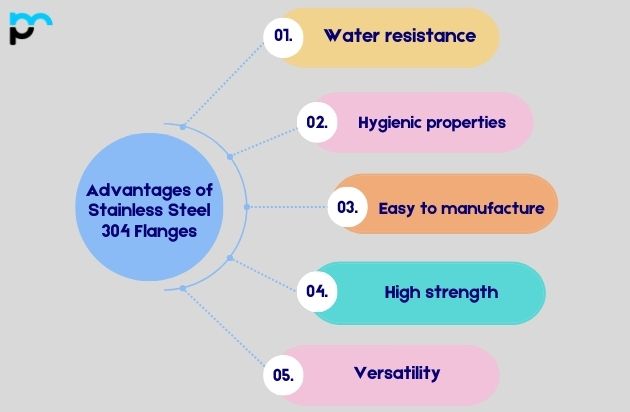
Water resistance: Stainless steel 304 offers outstanding corrosion resistance, which makes it well suited for use in settings involving water, chemicals and solids. This resistance helps keep clogging from worsening over time and delivers durability and reliability.
Hygienic properties: Because of its reactive and non-reactive properties, stainless steel 304 works well for uses that demand strict hygiene standards, including food and beverage processing, medical equipment and medical devices.
Easy to manufacture: Stainless steel 304 is recognized for its high performance and mechanical properties, which let it be readily produced in many shapes and sizes. This trait makes it simple to tailor the flange to specific project needs.
High strength: 304 stainless steel shows superior tensile strength, giving durability in demanding operating systems. This strength can endure high pressures and temperatures without sacrificing structural integrity.
Versatility: This versatility enables stainless steel 304 flanges to serve a broad range of applications, from industrial piping systems to architectural structures, owing to their environmental resistance because of the circumstances
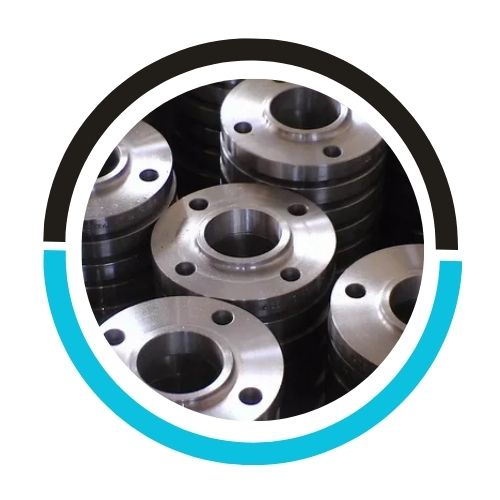
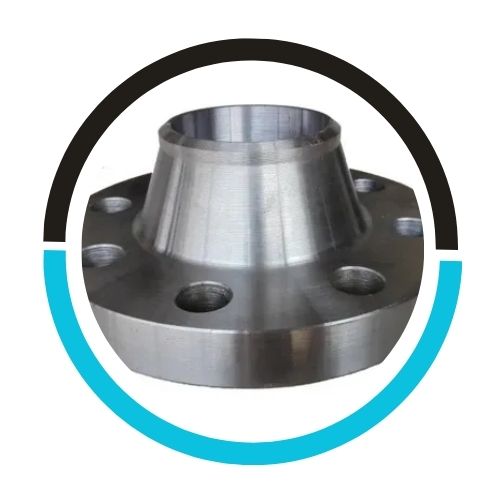
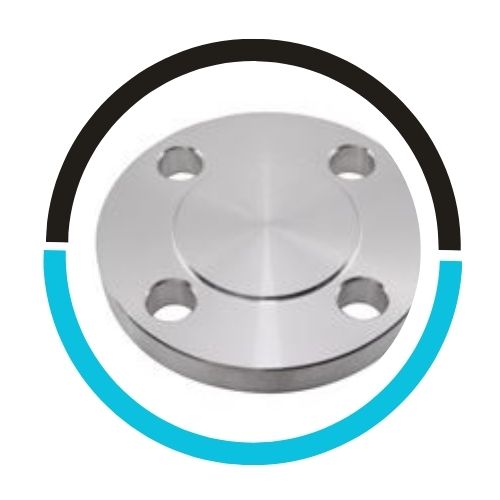
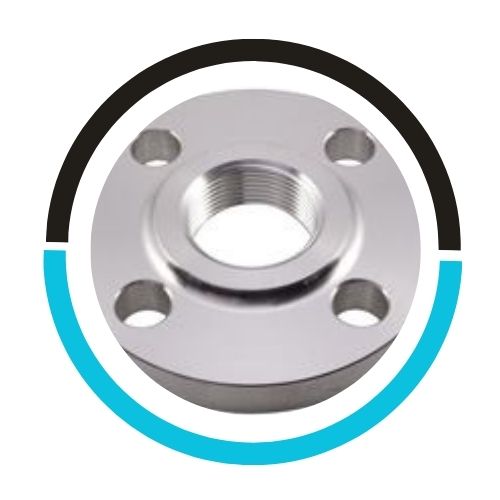
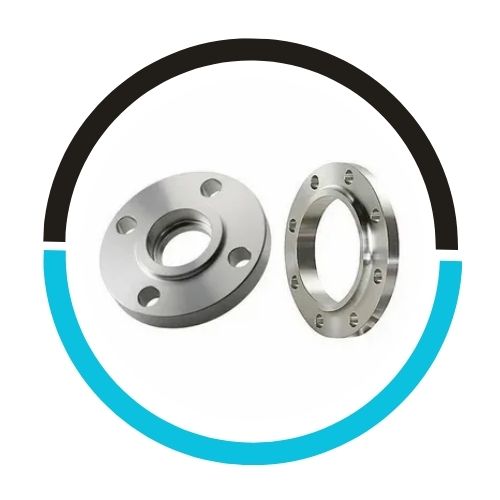

Stainless Steel 304 Flanges offer outstanding mechanical properties and withstand wear corrosion, and elevated temperatures, making them common across many industries. These flanges see extensive use in the oil and gas, petrochemical, power generation, and aerospace sectors. They serve a vital role in connecting equipment, valves, and piping networks. Their remarkable strength, toughness, and resistance to wear make them ideal for uses that face harsh operating conditions, including high temperatures, high pressures, and corrosive surroundings.
Piping Systems: Stainless steel 304 flanges are key parts of piping systems across industries like oil and gas, chemical processing, water treatment, petrochemicals, and more. They deliver dependable connections to pipes, valves, and other equipment, guaranteeing leak-free and trustworthy performance.
Pharmaceutical Sciences and Biotechnology: Stainless steel 304 flanges are vital for keeping a bacteria-free setting and avoiding contamination within medical biotechnology. They also serve in the methodical transfer and handling of chemical and biological substances in water.
Food and Beverage Manufacturing: Stainless steel 304 flanges are widespread in the food and beverage sector thanks to their cleanliness and resistance to digestive acid detergents. They serve in systems for water treatment, storage, and the distribution of food and beverages.
Construction and infrastructure: Stainless steel 304 flanges are applied in construction projects such as bridges, buildings, and roads. Their strong corrosion resistance and durability make them fit for both indoor and outdoor use.
Operating Conditions: Examine the temperature, pressure, and environmental conditions of the flanges. Stainless steel 304 provides excellent strength and resistance to corrosion. Even so, if your application deals with extreme temperatures or exceedingly hot surroundings, you might have to look at alternative materials or stainless steel materials of a high mixture.
Standards and Specifications: Confirm that stainless steel 304 flanges satisfy the relevant industry standards and specifications, including ASME, ASTM, ANSI, DIN, or EN standards. Following this standard guarantees quality, performance, and compatibility with the other components in your system.
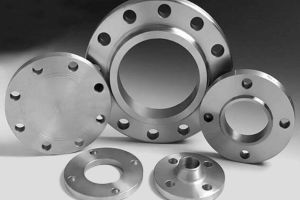
Flange Type: Pick the suitable flange type according to what your piping system requires, whether weld neck, slip-on, socket weld, threaded, or blind flange. As you decide on a flange type, weigh factors like ease of installation, coating, and maintenance requirements.
Size and Dimensions: Work out the flange size, pressure rating, and thickness needed for your piping system. Verify compatibility with existing piping, valves and fittings so you avoid installation and operational issues.
Yes, Stainless Steel 304 flanges can be welded using standard welding methods including TIG (Tungsten Inert Gas), MIG (Metal Inert Gas), and stick welding. That said, correct welding procedures and precautions must be followed to prevent problems like carbide precipitation and intergranular corrosion.
Yes, Stainless Steel 304 flanges can be vulnerable to galvanic corrosion when they come into contact with dissimilar metals under certain conditions. This risk can be reduced in piping systems through adequate insulation or by selecting compatible materials and protective coatings.
Yes, Stainless Steel 304 flanges are exceptionally recyclable and keep their worthwhile properties even after being used. Recycling stainless steel lowers the demand for raw materials, saves energy, and reduces environmental impact. Stainless steel ranks among the most recycled materials worldwide, making it an environmentally friendly option.
Yes, Stainless Steel 304 flanges are suitable for structural applications thanks to their outstanding blend of strength, corrosion resistance, and versatility. They are frequently used in construction, bridges, buildings, and other structural projects where durability, aesthetics, and longevity are important.
Phone Us: +91 7208967217
Mail: sales@sumakhsteel.com