Home > Stainless Steel Flanges >Stainless Steel 304H Flanges
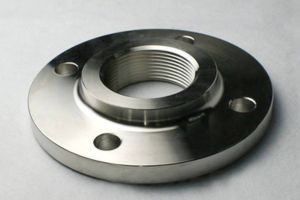
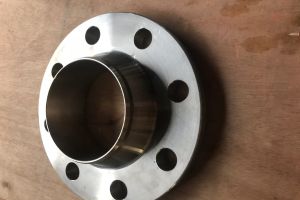
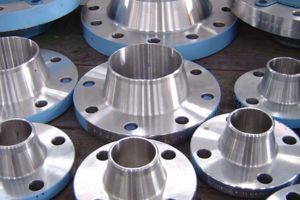
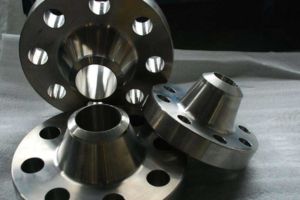
Stainless Steel 304H flanges serve as fundamental parts across diverse piping systems, valued for their outstanding mechanical strength and resistance to corrosion. tailor-made from Stainless Steel 304H, a grade prized for its excellent heat tolerance and weldability, these flanges deliver superior performance in demanding conditions. Featuring a makeup rich in chromium and nickel, Stainless Steel 304H displays notable corrosion resistance, rendering it a preferred selection for uses that require durability against corrosive substances. Additionally, its alloying elements add to enhanced mechanical qualities, such as sturdy strength, toughness, and wear resistance. This blend of characteristics establishes Stainless Steel 304H flanges as vital resources throughout industries, guaranteeing reliable operation and extended service life even in tough operational conditions.
| Standard | ASTM A182 / ASME SA182 |
| Dimensions | ANSI/ASME B16.5, B 16.47 A & B, B16.48, BS4504, BS 10, EN-1092, DIN |
| Standard | ANSI Flanges, ASME Flanges, BS Flanges, DIN Flanges, EN Flanges |
| Size | 1/2″ (15 NB) to 48″ (1200NB) |
| Class/Pressure | 150#, 300#, 600#, 900#, 1500#, 2500#, PN6, PN10, PN16, PN25, PN40, PN64 |
| Flange Face Type | Flate Face (FF), Raised Face (RF), Ring Type Joint (RTJ) |
| Grade | C | Mn | Si | P | S | Cr | Mo | Ni | N |
| 304H | 0.10 | 2.0 | 0.75 | 0.045 | 0.03 | 18 – 20 | – | 8 – 10.5 | – |
Grade
| Density | Tensile Strength (MPa) min | Yield Strength 0.2% Proof (MPa) min | Elongation (% in 50mm) min | Hardness | |
| Rockwell B (HR B) max | Brinell (HB) max | |||||
| 304H | 8.0 g/cm3 | 515 | 205 | 35 | 92 | 201 |
At Sumakhsteel, we are proud to be the largest supplier and manufacturer in the USA, delivering advanced solutions for every one of your piping requirements. With cutting-edge manufacturing facilities strategically situated across the USA, we maintain an extensive stock of more than 25,000 tons of top-grade materials kept ready in inventory.
Reach out to us for a fast quote tailored to your requirement.
We supply these Stainless Steel 304H Flanges in accordance with DIN, ISO, JIS or ANSI Standard.
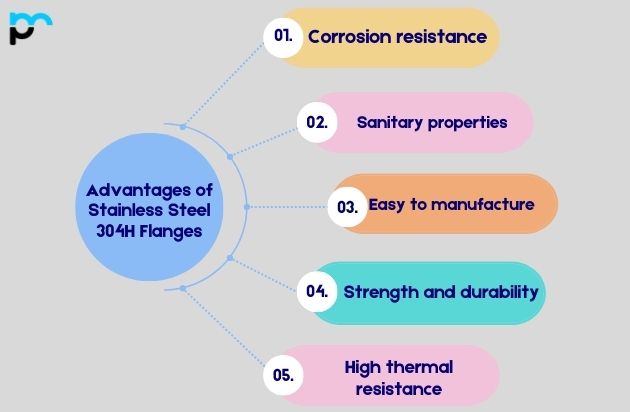
Corrosion resistance: Stainless steel 304H offers outstanding resistance to corrosion, which makes it well suited for many uses, such as high-water or chemical environments. This resistance to corrosion supports the flange’s strength and longevity, even under demanding conditions.
Sanitary properties: Stainless steel 304H has a nonporous surface and is simple to clean, which makes it appropriate for uses where hygiene matters, like food and beverage production, pharmaceuticals and healthcare.
Easy to manufacture: Stainless steel 304H can be shaped and welded with ease, which allows flanges to be produced in many shapes and sizes to match particular application needs. This flexibility in fabrication enables customization and makes certain that the flanges can be fitted securely into systems.
Strength and durability: Stainless steel 304H displays excellent tensile strength and stiffness, delivering outstanding structural integrity and durability. This strength guarantees that the flanges can endure high and mechanical stresses without warping or breaking, adding to the dependability and safety of the whole system.
High thermal resistance: The “H” in 304H denotes higher carbon content, which boosts its strength and elevated thermal resistance relative to standard 304 stainless steel This makes 304H flanges appropriate for high-temperature uses, such as heat exchangers, boilers, and other industrial production processes
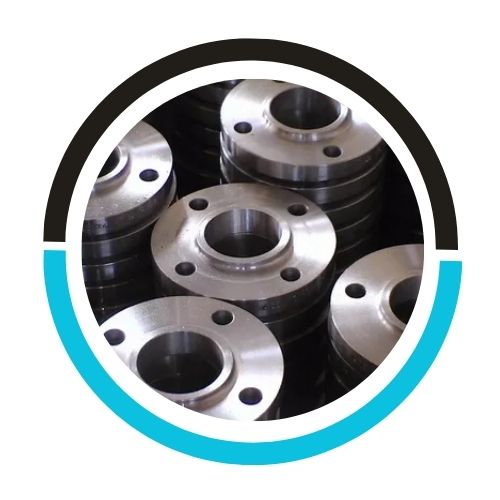
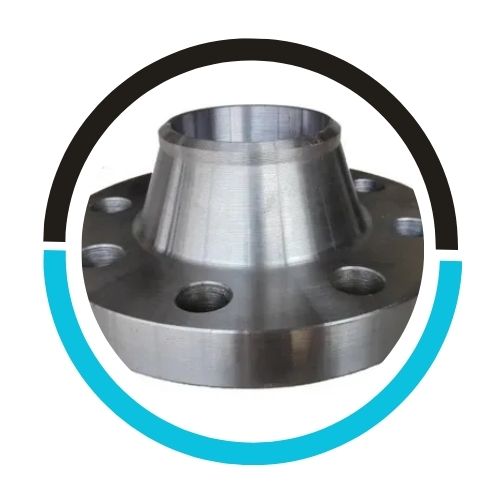
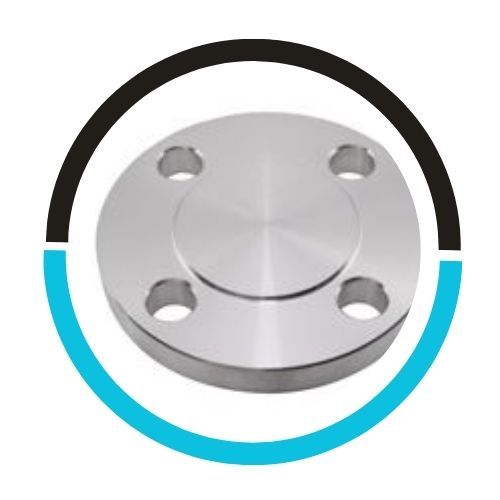
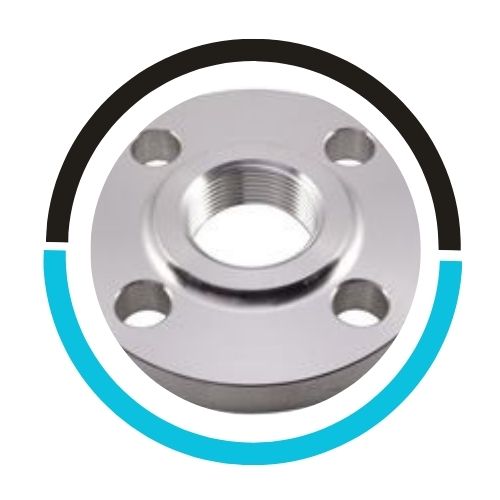
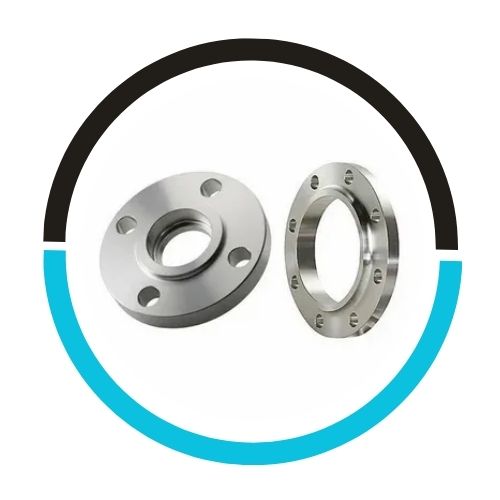
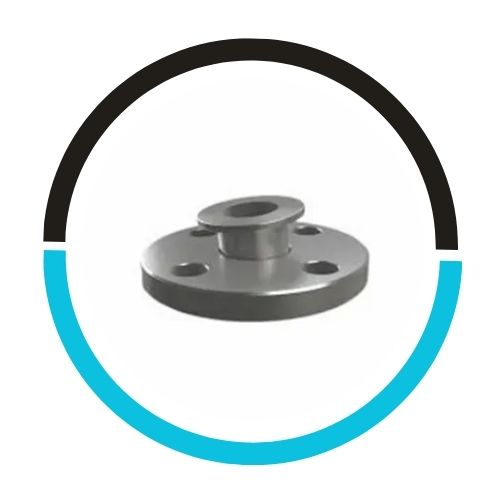
Stainless Steel 304H Flanges possess outstanding mechanical properties and withstand wear corrosion, and elevated temperatures, making them common across numerous industries. Such flanges see extensive use in the oil and gas, petrochemical, power generation, and aerospace sectors. They serve a key role in connecting equipment, valves, and piping systems. Their remarkable strength, durability, and resistance to wear make them ideal for uses subjected to harsh operating conditions, including high temperatures, high pressures, and corrosive surroundings.
Petrochemical Industry: Stainless steel 304H flanges join pipes, valves and other equipment within petrochemical plants. Because they resist corrosion and remain stable at high temperatures, they are well suited to handling a range of chemicals and operating conditions.
Chemical and biotechnology: Stainless steel 304H flanges serve in sanitary pipe systems across the pharmaceutical and biotech industries. The smooth, corrosion-resistant materials satisfy strict hygiene standards and prevent contamination time which are being done.
Power Generation: Power generation, spanning fossil fuel, nuclear, and renewable energy, employs Stainless Steel 304H flanges in piping systems for hot water, water and other fluids. Their high temperature and resistance to energy requirements in energy production make them useful in applications.
Chemical applications: Chemical plants rely on stainless steel 304H flanges to handle various acids, alkalis and corrosive chemicals. They deliver dependable connections that resist degradation even in aggressive chemicals.
Oil and Gas Industry: Oil and natural gas refineries apply stainless steel 304H flanges in pipeline systems to move crude oil, refined products, and natural gas Hydrocarbon acids found in these areas. They can withstand the degradation of the original materials.
Operating conditions: Take into account the operating environment, including temperature, pressure, and any corrosive elements present. Stainless steel 304H works well for high-temperature applications. It provides excellent corrosion resistance, but if the conditions are especially severe, you might have to opt for a superior-grade stainless steel or an entirely different material.
Standards and Specifications: Make sure that stainless steel 304H flanges meet the applicable industry standards and specifications, such as ASTM, ASME, ANSI, and DIN standards. Meeting these standards guarantees the flange’s quality, performance and flexibility.
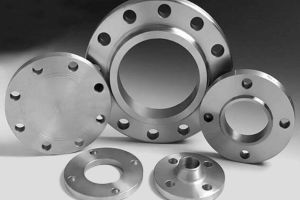
Flange Type: Choose the right type according to the application and piping system layout. Common applications include weld necks, slip-ons, threaded socket welds, and blind flanges. Each approach comes with particular benefits and drawbacks, so pick the one that best fits your design and maintenance requirements.
Size and Dimensions: Work out the flanges’ needed size, stress level, and thickness according to the piping system being installed. Confirm compatibility with existing equipment and piping components to deliver adequate and portable connections so
Yes, Stainless Steel 304H flanges can be welded thanks to their low carbon content along with chromium and nickel, both of which enhance weldability. That said, preheating and post-weld heat treatment might be required to avoid sensitization and preserve corrosion resistance within the heat-affected zone.
Yes, Stainless Steel 304H flanges have excellent recyclability. They can be melted down and repurposed to create new stainless steel products without degrading their mechanical properties or resistance to corrosion. Recycling stainless steel contributes to conserving resources, cutting down on waste, and reducing environmental impact.
Stainless Steel 304H flanges are suitable for underground use when the right precautions are taken. They provide solid corrosion resistance in soil settings, though considerations such as soil makeup, moisture content, and possible chloride exposure need to be taken into account. Applying protective coatings or using cathodic protection can improve their durability below ground.
Stainless Steel 304H flanges are typically not advised for cryogenic uses because of their diminished toughness and the risk of embrittlement at low temperatures. Specialized stainless steels featuring greater nickel content, like 304LN or 304L, are favored for cryogenic service to guarantee sufficient ductility and toughness.
Phone Us: +91 7208967217
Email: sales@sumakhsteel.com