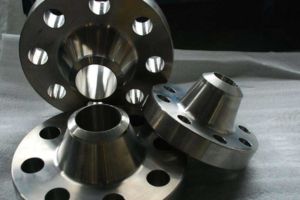
Home > Stainless Steel Flanges > Stainless Steel 303 Flanges
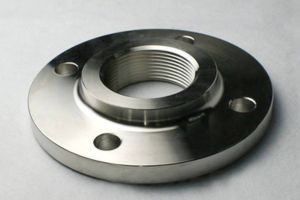
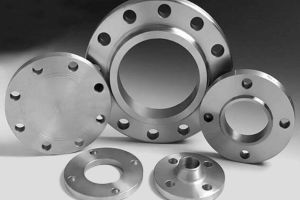
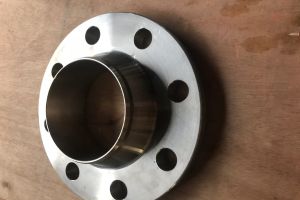
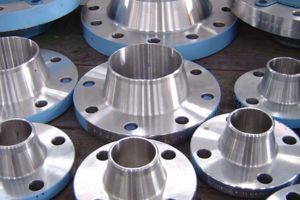
Stainless Steel 303 flanges are essential parts of piping systems, valued for their outstanding mechanical properties and resistance to corrosion. These flanges are made to order from Stainless Steel 303, a grade celebrated for its excellent machinability and formability. Thanks to a composition high in chromium and nickel, Stainless Steel 303 boasts superior corrosion resistance, making it well suited to applications that require durability against harsh environments. Moreover, its alloying elements promote improved mechanical properties, such as impressive strength, toughness, and wear resistance. This combination of qualities makes Stainless Steel 303 flanges essential across a wide range of industries, guaranteeing dependable performance and long service life under demanding operating conditions.
|
Material |
Stainless steel 303 Flanges |
|
Standard |
ASME/ANSI B16.5 ASME B16.47(A) ASME B16.47(B) ASME B16.48 |
|
Type |
SO WN SW TH LJ BL |
|
Size |
1/2″-24″ 26″-72″ |
|
Pressure |
75Lb-2500Lb |
|
Surface |
Anti-rust Oil, Transparent/Yellow/Black Anti-rust Paint, Zinc ,Flame Plating |
|
Facing |
FF RF MFM TG RJ |
|
Producing process |
Billet-cutting-forging-heating-lathe-drilling-inspection-marking-packing-export-din flange |
|
Package |
Plywood cases or pallet ,or as customers’ requirement |
|
Applications |
Petroleum, chemical, power, gas, metallurgy, shipbuilding, construction, etc |
|
Inspection |
ANSI Flange accept Factory in-house or third party inspection |
|
Process |
Forged and casting |
|
Payment item |
T/T |
|
Grade |
C |
Mn |
Si |
P |
S |
Cr |
Mo |
Ni |
N |
|
Stainless Steel 303 |
0.15 max |
2 max |
1 max |
0.20 max |
0.15 min |
17.0-19.0 |
– |
8 – 10 |
|
STANDARD |
WERKSTOFF NR. |
UNS |
JIS |
BS |
GOST |
AFNOR |
EN |
|
Stainless Steel 303 |
1.4305 |
S30300 |
SUS 303 |
At Sumakhsteel, we take pride in being the largest supplier and manufacturer in the USA, delivering advanced solutions for every one of your piping requirements. With cutting-edge manufacturing facilities strategically positioned across the USA, we maintain an extensive inventory of more than 25,000 tons of top-grade materials kept ready in stock.
Reach out to us for a fast quote tailored to your needs.
We supply these Stainless Steel 303 Flanges conforming to DIN, ISO, JIS or ANSI Standard.
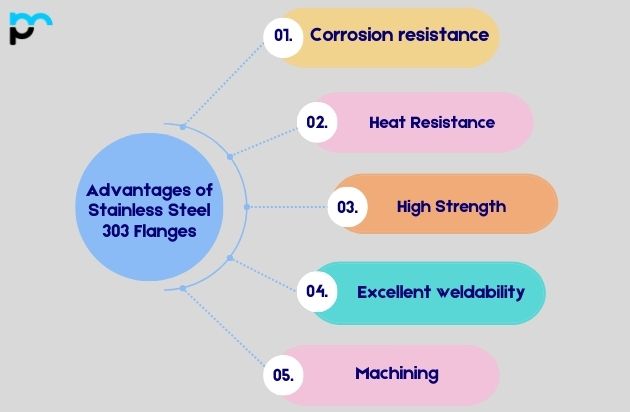
Corrosion resistance: Stainless steel 303 includes chromium and nickel that give it strong corrosion resistance, which makes it well suited for use across a range of wet, chemical and salt environments
Heat Resistance: Stainless steel 303 shows outstanding resistance to high-temperature impact and oxidation, which makes it appropriate for applications where flanges may become hot
High Strength: While not as high as certain other stainless steels like 304 or 316, Stainless Steel 303 still delivers sufficient strength for many applications, where flanges are required to endure moderate to heavy stresses or loads
Excellent weldability: Stainless steel 303 offers excellent weldability, which makes it easier to shape flanges through the welding process without notable risk of cracking or distortion
Machining: One of the key benefits of 303 stainless steel is its remarkable machinability. This grade is built for easy machining, making it cost-effective and efficient for producing flanges with complex designs or tight tolerances.
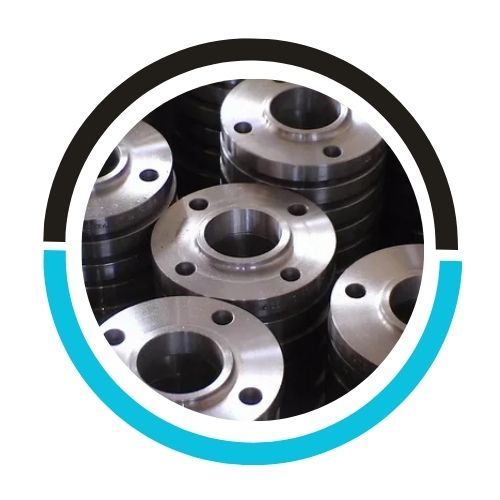
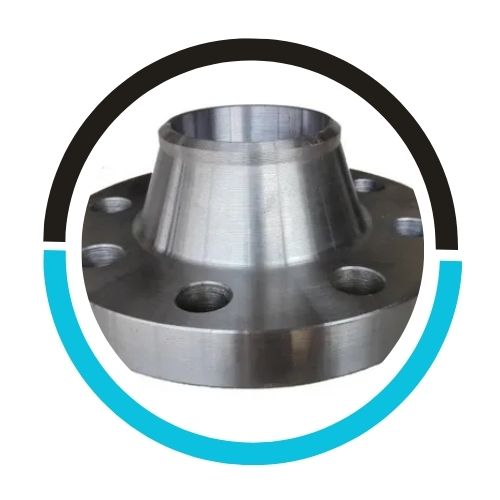
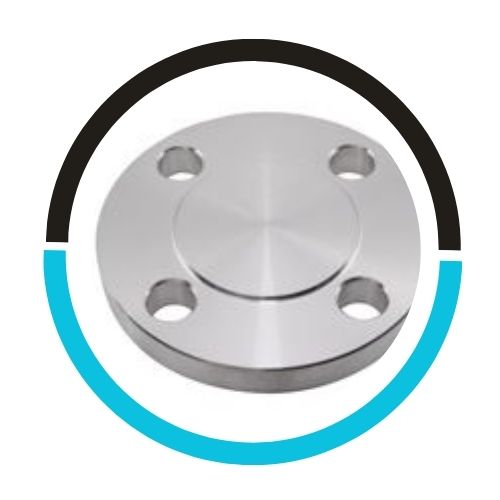
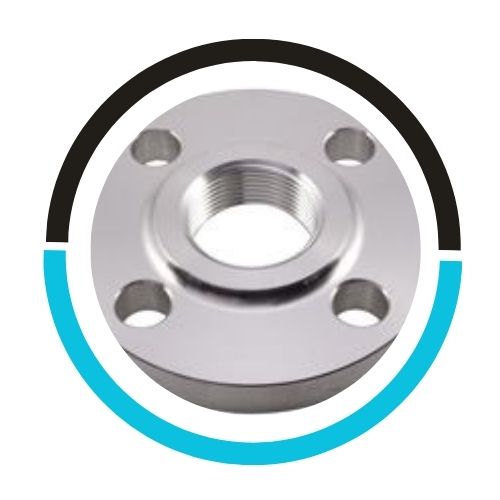
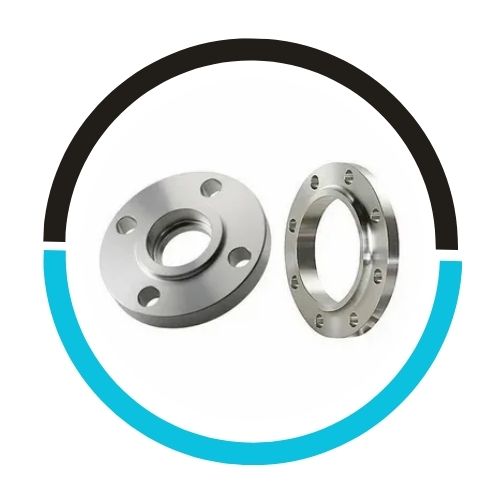
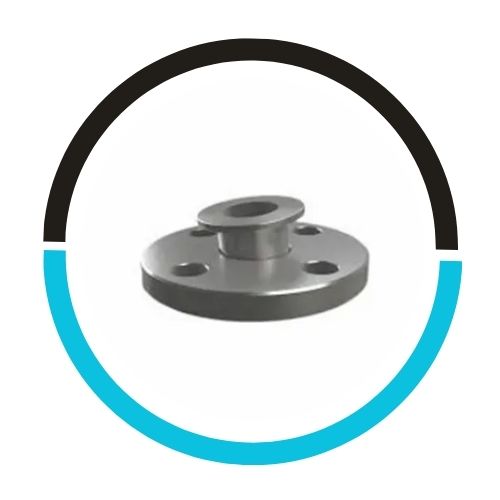
Stainless Steel 303 Flanges offer outstanding mechanical properties and stand up well to wear corrosion, and elevated temperatures, making them common across many industries. You will find these flanges frequently used in the oil and gas, petrochemical, power generation, and aerospace sectors. They serve a key role in connecting equipment, valves, and piping systems. Thanks to their remarkable strength, toughness, and resistance to wear, they are ideal for uses subjected to demanding operating conditions, including high temperatures, high pressures, and corrosive surroundings.
Piping systems: Stainless steel 303 flanges join pipes, valves, pumps, and other elements within piping systems. They deliver a secure, leak-proof connection, particularly in high-pressure or corrosive settings.
Aerospace: Stainless steel 303 flanges find application in aerospace engineering, especially where high strength, corrosion resistance, and lightweight materials are needed. They serve in aircraft fuel systems, hydraulic systems, and building materials.
Oil and Gas: Within the oil and gas industry, stainless steel 303 flanges are employed in pipelines, offshore platforms, and refineries under hot conditions and high temperatures. Their durability and corrosion resistance make them well-suited to such demanding uses.
Food and Beverage Industry: Stainless steel is widely applied in the food and beverage industry thanks to its capacity to resist corrosion and uphold hygiene standards. Flanges crafted from this material are used in processing equipment, pipes and tanks.
Chemical Applications: Stainless steel 303 flanges are favored in applications such as chemical processing where corrosion resistance is essential. They can endure contact with aggressive chemicals, including acids and alkalis, without degradation or degradation.
Rationale for Stainless Steel 303: Stainless steel 303 is a free-machining version of the standard 18-8 grade 304, with sulfur or selenium added to enhance its mechanical properties. It offers outstanding resistance to corrosion and is simple to fit and weld into place.
Consider machinability: A key benefit of stainless steel 303 is the better machinability that comes from adding sulfur or selenium. When your use case calls for heavy-duty machining, the 303 flange may be a good fit.
Check mechanical properties: Stainless steel 303 works well for a wide range of uses. That said, if your application demands greater complexity, you might have to select a different grade offering stronger mechanical properties.
Check for corrosion resistance: Stainless steel 303 delivers excellent corrosion resistance in tough conditions. Even so, if your project deals with aggressive chemicals or high levels of corrosion, you may prefer to look at other highly corrosion-resistant stainless steels, such as 304 or 316
Know Application Requirements: Determine the exact application the flange is needed for. Take into account factors like temperature, pressure, chemicals, and environment. Different applications may call for different grade specifications for stainless steel flanges.
Yes, Stainless steel 303 flanges can be welded. That said, welding them is not advised because they contain sulfur or selenium, which may cause hot cracking while welding. For welding purposes, it is recommended to perform post-weld annealing or choose a different stainless steel grade that offers improved weldability.
Stainless steel 303 flanges typically need little upkeep thanks to their resistance to corrosion. It is advisable to inspect them periodically for indications of corrosion or damage. Washing with a gentle detergent and water, then drying, aids in preserving their look. Moving parts may require lubrication to avoid galling.
Stainless steel 303 flanges are regarded as environmentally friendly owing to their strong recyclability, longevity, and corrosion resistance, which cuts down on the need for regular replacements. That said, the manufacturing process does require energy use and produces emissions, though these are lower than with certain other materials, which makes them comparatively eco-friendly options.
Stainless steel 303 flanges can handle a maximum operating temperature of about 760°C (1400°F) in intermittent service and roughly 870°C (1600°F) in continuous service. Above these temperatures, the material may suffer considerable deterioration in mechanical properties, corrosion resistance, and overall performance.
Phone Us: +91 7208967217
Mail: sales@sumakhsteel.com