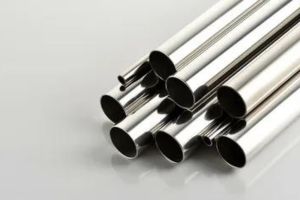
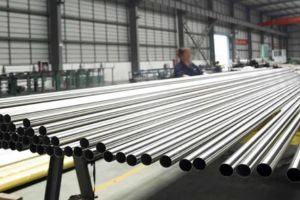
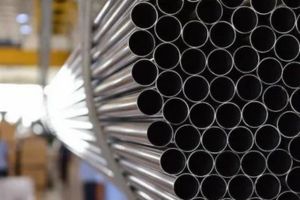
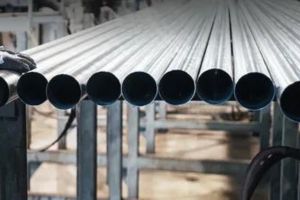
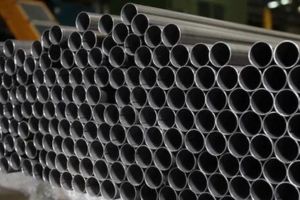
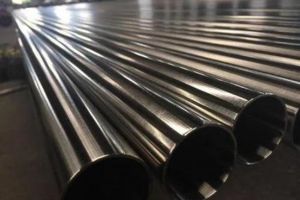
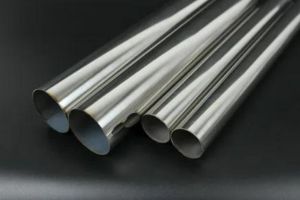
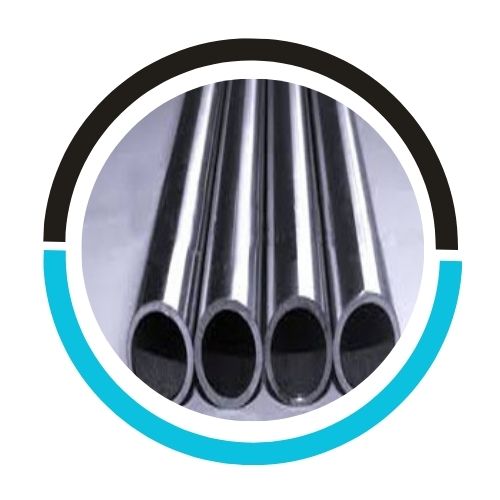
Elevate your industrial operations to unrivaled standards of excellence with our top-tier Hastelloy B3 Pipes, prominently showcased on our product pages. Carefully built with precision engineering, these pipes represent unmatched quality and durability, thoughtfully designed to surpass the demanding requirements of varied industrial settings. Celebrated for their outstanding resistance to corrosive substances, our Hastelloy B3 Pipes serve as proof of dependability, delivering peak performance even under the harshest conditions. Meeting industry standards, our pipes ensure unmatched sturdiness and long life, promising unwavering support for your operations. As a trustworthy supplier, we place customer satisfaction first, providing customized solutions, competitive pricing, and rapid delivery. Whether for construction, infrastructure, or industrial projects, rely on our Hastelloy B3 Pipes to reliably perform beyond expectations.
| Standard | ASTM B622, B619 / ASME SB622, SB619 |
| Standard | ASTM, ASME and API |
| Size | 15 NB UP TO B3 NB IN SCH 5S, 10S,10, 20, 40S, 40, STD, 60, 80S, 80, XS, 100, 120, 140, 160 & XXS |
| Length | Single Random, Double Random & Required Length, Cut Length |
| End | Plain End, Beveled End, Treaded |
| Grade | C | Cr | Mo | Si | Al | Fe | Ni |
| Hastelloy B3 | 0.01 max | 1.5 | 28.5 | 10 max | 0.50 max | 1.5 | 65.0 mi |
| Element | Density | Melting Point | Tensile Strength | Yield Strength (0.2%Offset) | Elongation |
| Hastelloy B3 | 9.2 g/cm3 | 1370 °C (2550 °F) | Psi – 1,15,000 , MPa –760 | Psi – 52,000 , MPa – 350 | 40% |
Reach out to us for a fast quote on your requirement.
We supply these Hastelloy B3 Pipes in accordance with DIN, ISO, JIS or ANSI Standard.

Anti-corrosion properties: Hastelloy B3 offers excellent corrosion resistance, particularly when exposed to reducing acids like hydrochloric acid, sulfuric acid, phosphoric acid, acetic acid, and other aggressive chemicals.
High-Temperature Resistance: Hastelloy B3 pipe endures elevated temperatures with little deterioration while in service. This characteristic matters for uses in the aerospace, chemical processing, and power generation sectors, where high temperatures are frequently encountered.
Excellent mechanical strength: Hastelloy B3 retains its strength and soundness even under raised temperatures, which makes it well suited for uses where mechanical stress and strain are decisive factors
Versatility: Hastelloy B3 pipes are suitable for a wide range of applications thanks to their corrosion resistance and ability to handle high temperatures. They see frequent use in the pharmaceutical, oil and gas, pharmaceutical, pulp and paper industries.
Longevity: The corrosion resistance and toughness of Hastelloy B3 pipes add to their durability, which translates into a longer service life and reduced maintenance expenses over time
Easy to manufacture: Hastelloy B3 pipe is simple to fabricate, weld, and produce in a range of shapes and sizes, so it can be tailored to satisfy particular application needs.
Safety: Dependable, corrosion-resistant, and high-temperature-resistant Hastelloy B3 pipe improves safety in industrial applications that could result in hazardous conditions or environmental harm should a failure occur.
Cost-effectiveness: Even though it is initially costlier than certain other materials, the long life and efficiency of Hastelloy B3 pipes can deliver lifetime cost savings through lower maintenance, timing and replacement
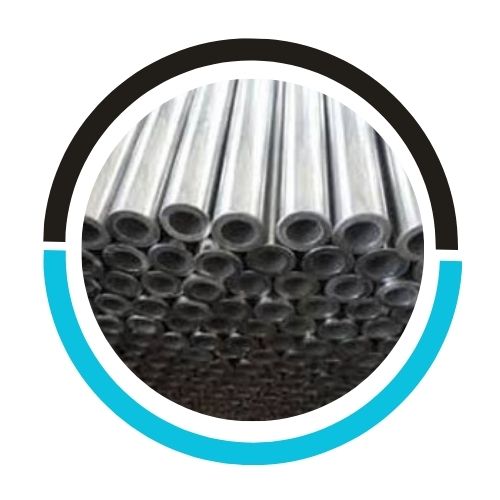
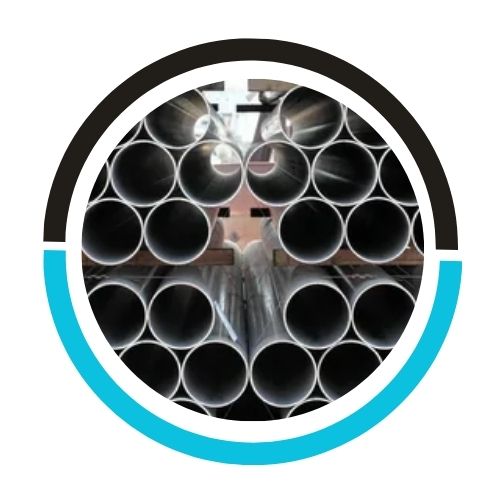
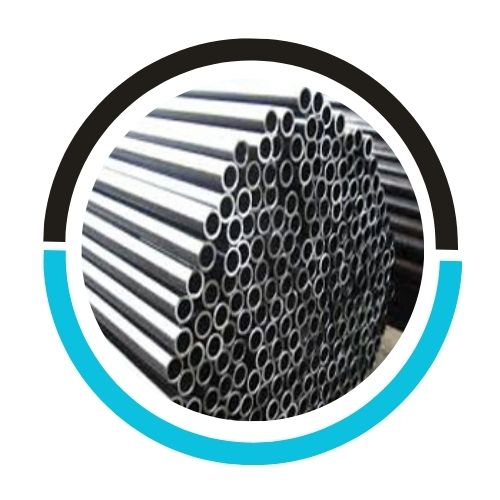
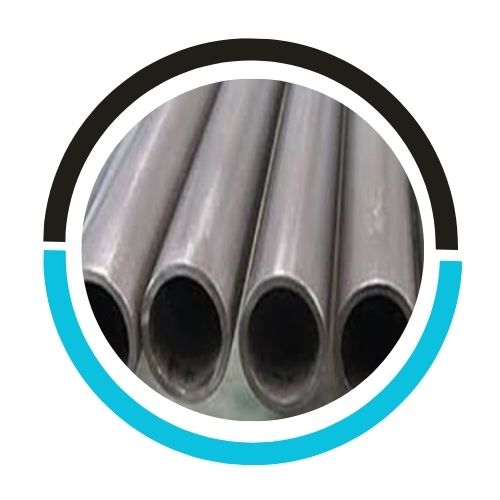
Chemical applications: Hastelloy B3 pipes are extensively utilized in the chemical sector for managing volatile substances like hydrochloric acid, sulfuric acid, acetic acid, phosphoric acid, and more. They serve in reactors, heat exchangers, piping networks, and storage tanks.
Oil and Gas: Within the oil and gas sector, Hastelloy B3 pipelines serve in applications dealing with acidic gas environments where hydrogen sulfide (H2S) is present, and they are employed in processing units, pipelines and equipment throughout the refinery industry.
Pharmaceutical Industry: Hastelloy B3 pipe is applied within the pharmaceutical sector wherever corrosives come into play. Reactive substances like acids and bases are conveyed to pharmaceutical facilities.
Pulp and Paper Industry: Within the pulp and paper sector, Hastelloy B3 pipe serves in refineries and chemical facilities where corrosive chemicals are employed to wash and process pulp
Wastewater Treatment: Wastewater treatment facilities rely on Hastelloy B3 pipes to manage the corrosive chemicals and acids linked to water treatment operations, including wastewater treatment, desalination and purification
Power generation: Hastelloy B3 pipe is deployed in power plants, particularly in systems where acidic solutions serve for cooling and heat exchangers
Aerospace and Safety: In aerospace and defence applications, Hastelloy B3 pipes are used in components and systems demanding high corrosion resistance, such as fuel systems, hydraulic systems and exhaust gases
Hastelloy B3 Pipes uses span as many industries as they support, led chiefly by the aerospace, railway, construction and automotive sectors along with petrochemical, nuclear, medical, Oil & Gas, Chemical, Pharmaceutical, Food & Beverage, Nuclear, Thermal Power plants, Paper and Pulp, marine and mining, etc.
Corrosion resistance: Hastelloy B3 is recognized for its outstanding resistance to corrosion, particularly in corrosion-reducing settings. Please make sure the pipes are appropriate for your particular hot environment, whether that involves acids, alkalis, or other chemicals.
Temperature and Pressure: Verify the operating temperature and pressure conditions in which the pipes will be placed. Hastelloy B3 pipe offers excellent thermal stability and can endure high temperatures, but selecting a pipe rated for the intended conditions is important.
Size and Design: Think about the size and thickness of the pipe required for your project. Make sure the necessary diameter, wall thickness and length are satisfied.
Quality and Compliance: Make certain the piping conforms to relevant industry standards and specifications, such as ASTM, ASME, or ANSI. Ask for certificates or documentation proving compliance with quality standards.
Construction requirements: Take into account any particular construction needs, such as welding or bending, and make sure the piping fits the planned construction schedule.
Cost and Budget: Review the cost of Hastelloy B3 pipe to confirm it fits within your budget limits. While Hastelloy B3 provides corrosion resistance, it may carry a high price compared to other materials.
Supplier Reputation : Select a reputable supplier with a proven history of supplying high quality Hastelloy B3 pipe. Look into the supplier’s reputation, customer reviews, and dependability of on-time delivery.
Compatibility: Confirm compatibility with other materials or components in your system to avoid issues such as galvanic corrosion or chemical reactions.
No, Hastelloy B3 pipes are resistant to rust. Hastelloy B3 is a nickel-molybdenum alloy recognized for its outstanding corrosion resistance, especially in acidic settings. It retains its structural integrity even under extremely corrosive conditions, which makes it a favored option for numerous industrial uses where corrosion resistance is essential.
To care for Hastelloy B3 pipes, clean them routinely using a solution of mild detergent and water to eliminate surface contaminants. Steer clear of abrasive cleaners or implements that might scratch the surface. Routine inspections for indications of corrosion or damage are advisable, and quickly resolve any problems to guarantee peak performance and durability.
Yes, Hastelloy B3 pipes work well for hygienic and sanitary uses. Because they offer strong corrosion resistance and get along with a wide range of chemicals, they are well-suited to sectors like pharmaceuticals, food processing, and biotechnology, where cleanliness and product purity matter most, delivering safe and dependable performance.
Yes, Hastelloy B3 pipes are weldable through standard welding methods including TIG (Tungsten Inert Gas) welding, MIG (Metal Inert Gas) welding, and SMAW (Shielded Metal Arc Welding). Nevertheless, it’s crucial to apply correct welding procedures and filler materials in order to preserve the alloy’s corrosion resistance and mechanical properties.
| Wall | Sizes ( O.D.) |
|---|---|
| .010 | 1/16″ , 1/8″ , 3/16″ |
| .020 | 1/16″ , 1/8″ , 3/16″ , 1/4″ , 5/16″ , 3/8″ |
| .012 | 1/8″ |
| .016 | 1/8″ , 3/16″ |
| .028 | 1/8″ , 3/16″ , 1/4″ , 5/16″ , 3/8″ , 1/2″ , 3/4″ , 1″ , 1 1/2″ , 2″ |
| .035 | 1/8″ , 3/16″ , 1/4″ , 5/16″ , 3/8″ , 7/16″ , 1/2″ , 16″ , 5/8″ , 3/4″ , 7/8″ , 1″ , 1 1/4″ , 1 1/2″ , 1 5/8″ , 2″ , 2 1/4″ |
| .049 | 3/16″ , 1/4″ , 5/16″ , 3/8″ , 1/2″ , 16″ , 5/8″ , 3/4″ , 7/8″ , 1″ , 1 1/8″ , 1 1/4″ , 1 1/2″ , 1 5/8″ , 2″ , 2 1/4″ |
| .065 | 1/4″ , 5/16″ , 3/8″ , 1/2″ , 16″ , 5/8″ , 3/4″ , 7/8″ , 1″ , 1 1/4″ , 1 1/2″ , 1 5/8″ , 1 3/4″ , 2″ , 2 1/2″ , 3″ |
| .083 | 1/4″ , 3/8″ , 1/2″ , 5/8″ , 3/4″ , 7/8″ , 1″ , 1 1/4″ , 1 1/2″ , 1 5/8″ , 1 7/8″ , 2″ , 2 1/2″ ,3″ |
| .095 | 1/2″ , 5/8″ , 1″ , 1 1/4″ , 1 1/2″ , 2″ |
| .109 | 1/2″ , 3/4″ , 1″ , 1 1/4″ , 1 1/2″ , 2″ |
| .120 | 1/2″ , 5/8″ , 3/4″ , 7/8″ , 1″ , 1 1/4″ , 1 1/2″ , 2″ , 2 1/4″ , 2 1/2″ , 3″ |
| .125 | 3/4″ , 1″ , 1 1/4″ , 1 1/2″ , 2″ , 3″ , 3 1/4″ |
| .134 | 1″ |
| .250 | 3″ |
| .375 | 3 1/2″ |
Phone Us: +91 7208967217
Email Us: sales@sumakhsteel.com