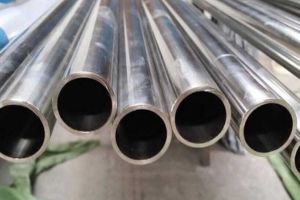
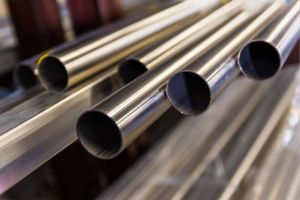
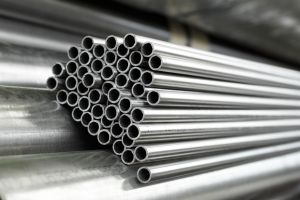
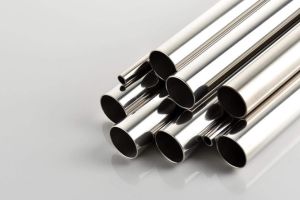
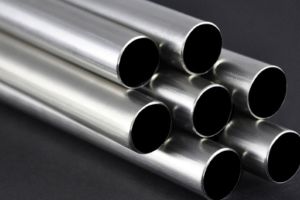
Monel K500 tubes embody the height of metallurgical engineering, painstakingly fabricated from Monel K500 alloy. This nickel-copper alloy distinguishes itself through its outstanding mechanical characteristics, such as high tensile strength, remarkable corrosion resistance, and extraordinary toughness even in demanding conditions. Designed to satisfy rigorous industrial requirements, Monel K500 tubes are preferred in applications that demand endurance against extreme temperatures and corrosive materials. Sectors like aerospace, marine engineering, and chemical processing depend on these tubes for their unrivaled dependability and long service life, rendering them essential for pivotal engineering challenges where performance and durability cannot be compromised.
Specifications | : | ASTM B163, B730 / ASME SB163, B730 |
Dimensions | : | ASTM, ASME and API |
Alloy k500 Tubes Size | : | 6 mm OD x 0.7 mm to 50.8 mm OD x 3 mm thk. |
Schedule | : | SCH20, SCH30, SCH40, STD, SCH80, XS, SCH60, SCH80, SCH120, SCH140, SCH160, XXS |
Type | : | Seamless / ERW / Welded / Fabricated / LSAW Tubes |
Form | : | Round, Square, Rectangular, Hydraulic Etc |
Length | : | Single Random, Double Random & Cut Length. |
End | : | Plain End, Beveled End, Treaded |
Grade | C | Mn | Si | S | Cu | Fe | Ni | Cr |
Monel k500 | 0.30 max | 2.00 max | 0.50 max | 0.24max | 28.0-34.0 | 2.50 max | 63.00 min | – |
Element | Density | Melting Point | Tensile Strength | Yield Strength (0.2%Offset) | Elongation |
Monel k500 | 8.8 g/cm3 | 1350 °C (2460 °F) | Psi – 80,000 , MPa – 550 | Psi – 35,000 , MPa – 240 | 40 % |
At Sumakhsteel, we take great pride in being the largest supplier and manufacturer in the USA, delivering advanced solutions for every one of your piping requirements. Backed by cutting-edge production plants strategically situated in the USA, we maintain an extensive inventory of more than 25,000 tons of top-quality materials kept ready in stock.
Reach out to us for a fast quote tailored to your requirement.
We provide these Monel k500 Tubes in accordance with DIN, ISO, JIS or ANSI Standard.
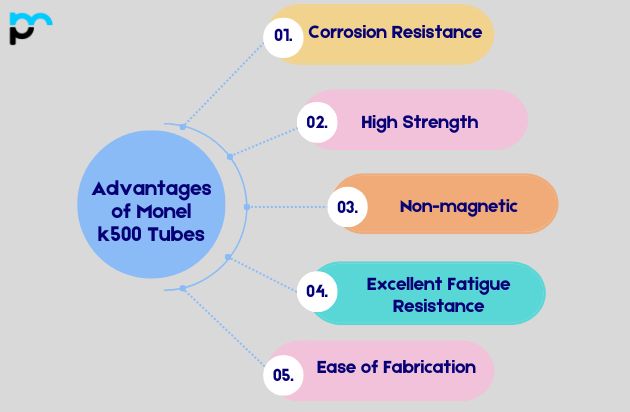
Corrosion Resistance: Monel K500 offers strong resistance to corrosion, especially in settings that involve saltwater, acids, and alkalis. Because of this, it works well for marine and chemical processing uses.
High Strength: It delivers outstanding mechanical performance at both ambient and high temperatures. This considerable strength permits tubes with thinner walls, cutting down on weight and material expense while maintaining performance.
Non-magnetic: Monel K500 is non-magnetic, a benefit in situations where magnetic interference poses a problem, such as electronic or delicate instrumentation systems.
Excellent Fatigue Resistance: It shows solid resistance to fatigue and erosion, keeping it durable in high-stress uses and settings that are prone to wear.
Ease of Fabrication: Monel K500 can be readily shaped through conventional machining and welding methods, enabling intricate designs and configurations.
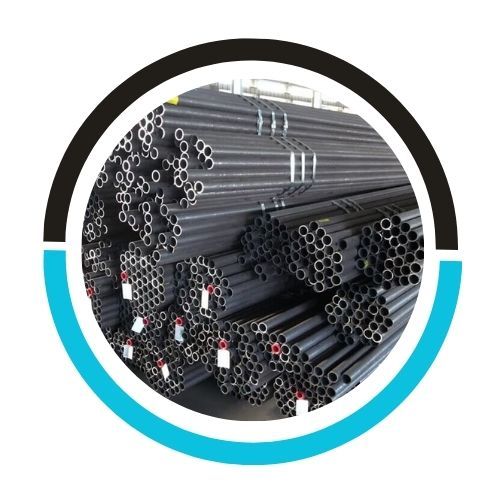
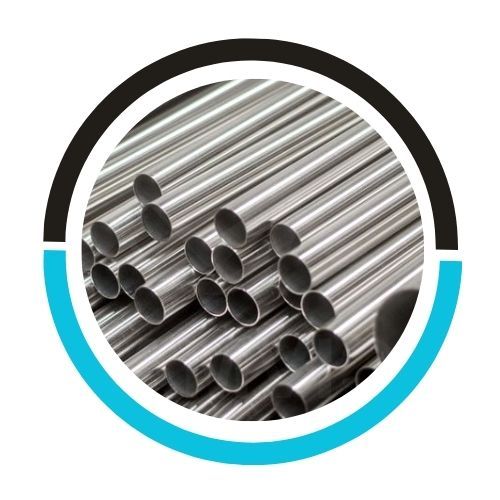
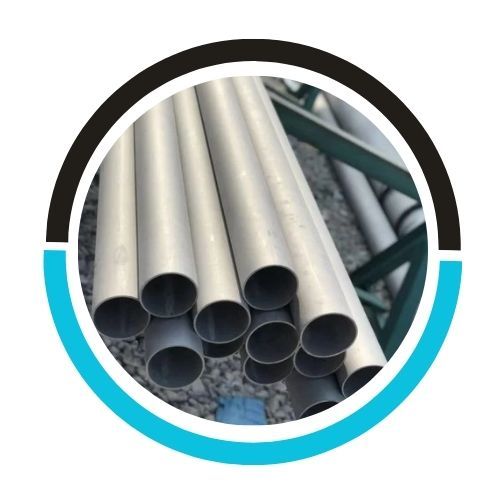
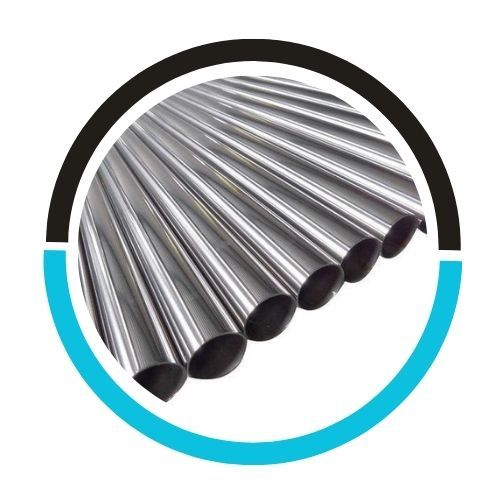
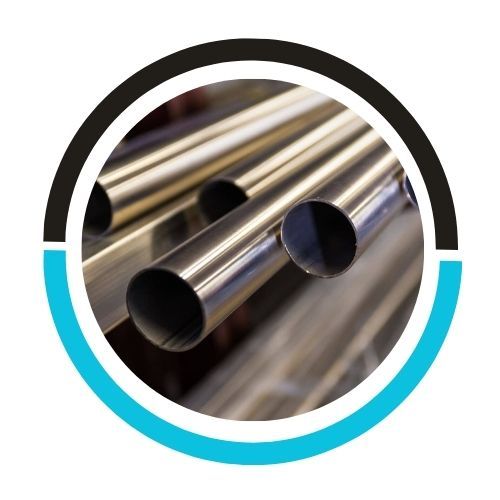
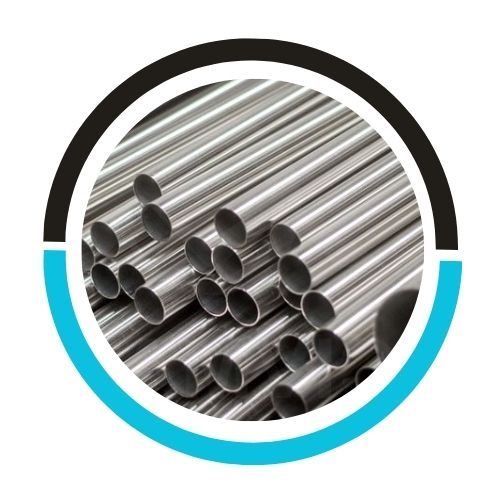
Monel k500 Tube uses are as varied as the sectors they support, led mainly by the aerospace, railway, construction and automotive industries along with petrochemical, nuclear, medical, Oil & Gas, Chemical, Pharmaceutical, Food & Beverage, Nuclear, Thermal Power plants, Paper and Pulp, marine and mining, etc.
Marine Engineering: Monel K500 finds widespread application in marine settings owing to its remarkable ability to withstand seawater corrosion. It serves as tubing in seawater cooling systems, offshore platforms, and shipbuilding.
Oil and Gas Industry: Within oil refineries and natural gas processing facilities, Monel K500 tubes are used for tubing in equipment that comes into contact with corrosive fluids and gases. This covers uses in heat exchangers, condensers, and pipelines.
Chemical Processing: The resistance of Monel K500 to both acids and alkalis makes it well suited for chemical processing equipment. It functions as tubing in reactors, storage tanks, pumps, and valves where corrosion resistance is essential.
Aerospace: Thanks to its high strength and fatigue resistance, Monel K500 tubes are utilized in aircraft parts such as hydraulic tubing, fuel lines, and structural elements where lightweight materials offering superior performance are needed.
Mechanical Properties: Take into account the mechanical strength criteria such as tensile strength, yield strength, and hardness. Monel K500 provides high strength and toughness, making it well-suited for high-stress applications.
Temperature Range: Identify the operating temperature range for your application. Monel K500 retains its mechanical properties across a broad temperature range, but confirm that it satisfies your particular temperature needs.
Fabrication Requirements: Think about how the tubes will be manufactured and installed. Monel K500 can be machined and welded with standard methods, but make sure your fabrication techniques are compatible with the material’s properties.
Monel K500 tubes are typically regarded as economical owing to their long service life and corrosion resistance, which lowers upkeep and replacement expenses over time. Although upfront costs can exceed those of certain alternatives, their durability and performance under demanding conditions frequently make the investment worthwhile for critical applications.
Yes, Monel K500 tubes are generally produced in line with ASTM specifications. ASTM B865 provides the standard specification for Monel K500 rods, bars, and forgings, which indirectly shapes the manufacturing standards for tubes too, guaranteeing quality and performance across a range of applications.
Monel K500 tubes are offered in a range of configurations, including seamless and welded options. They come in a variety of sizes, spanning from small diameter tubes for precise applications to larger diameters for industrial uses. Custom configurations such as coil tubing or particular wall thicknesses can also be produced to meet diverse requirements.
Yes, Monel K500 tubing can undergo galvanic corrosion when paired with dissimilar metals in an electrolyte. That said, its noble character and resistance to numerous environments reduce this risk relative to other metals, which is why sound material selection and corrosion prevention practices are essential in mixed-metal systems.