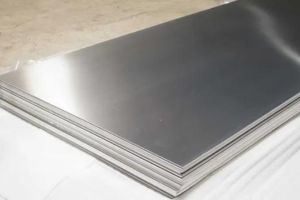
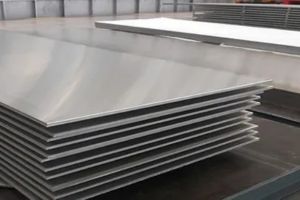
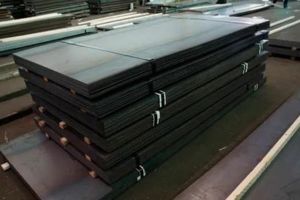
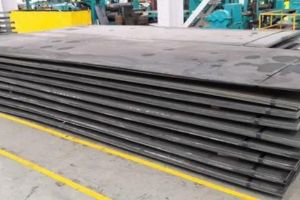
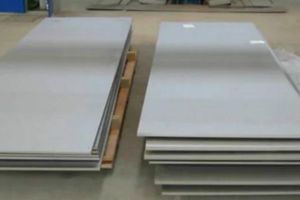
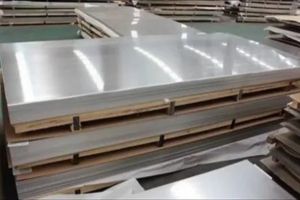
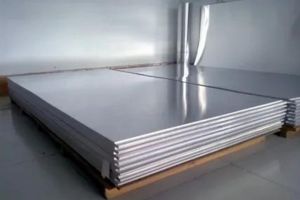
Hastelloy C22 Sheets and Plates are corrosion-resistant nickel-chromium-molybdenum-tungsten alloy components recognized for their outstanding ability to withstand a broad spectrum of corrosive settings, encompassing both oxidizing and reducing conditions. They see extensive use across chemical processing, petrochemical, and waste treatment sectors for purposes demanding top-tier corrosion resistance, high mechanical strength, and dependability. Hastelloy C22 Sheets and Plates deliver superb protection against pitting, crevice corrosion, and stress corrosion cracking, rendering them well-suited for critical applications where longevity and performance are essential.
| Standard | ASTM B 622, B 619 / ASME SB 622, SB 619 |
| Standard | ASTM, ASME and API |
| Size | 15 NB UP TO C22 NB IN SCH 5S, 10S,10, 20, 40S, 40, STD, 60, 80S, 80, XS, 100, 120, 140, 160 & XXS |
| Length | Single Random, Double Random & Required Length, Cut Length |
| End | Plain End, Beveled End, Treaded |
| Grade | C | Mn | Si | Co | P | Fe | Mo | Ni | Cr | S | W | V |
|---|---|---|---|---|---|---|---|---|---|---|---|---|
| Hastelloy C22 | 0.010 max | 0.50 max | 0.08 max | 2.5 max | 0.02 max | 2 – 6 | 12.5 – 14.5 | Bal | 20 – 22.5 | 0.02 max | 2.5 – 3.5 | 0.35 max |
| Density | Melting Point | Tensile Strength | Yield Strength (0.2%Offset) | Elongation |
|---|---|---|---|---|
| 8.69 g/cm3 | 1399 °C (2550 °F) | Psi – 1,00,000 , MPa – 690 | Psi – 45000 , MPa – 310 | 45% |
At Sumakhsteel, we take great pride in being the largest supplier and manufacturer in the USA, delivering advanced solutions for every one of your piping requirements. With cutting-edge manufacturing facilities strategically positioned across the USA, we maintain an extensive stock of more than 25,000 tons of top-grade materials kept ready in inventory.
Reach out to us for a fast quote on your requirement.
These Hastelloy C22 Sheets and Plates are supplied by us in accordance with DIN, ISO, JIS or ANSI Standard.
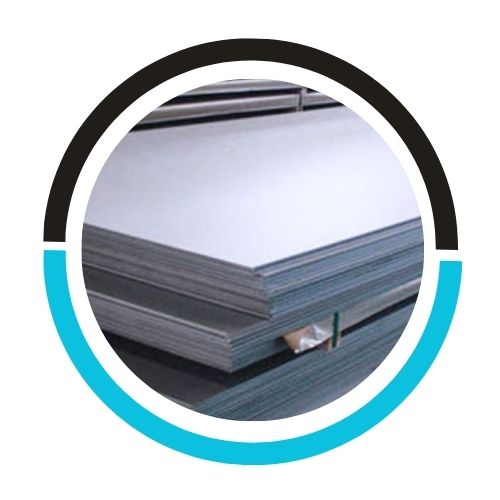
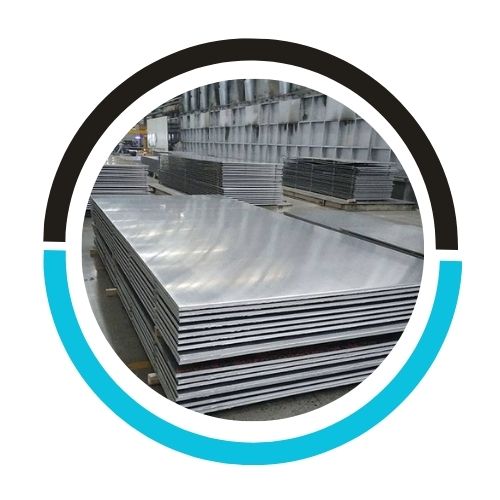
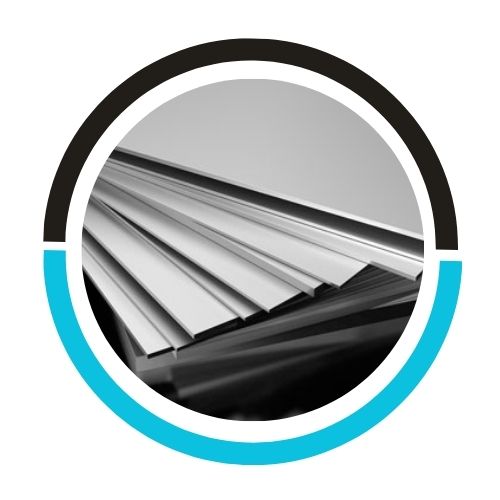
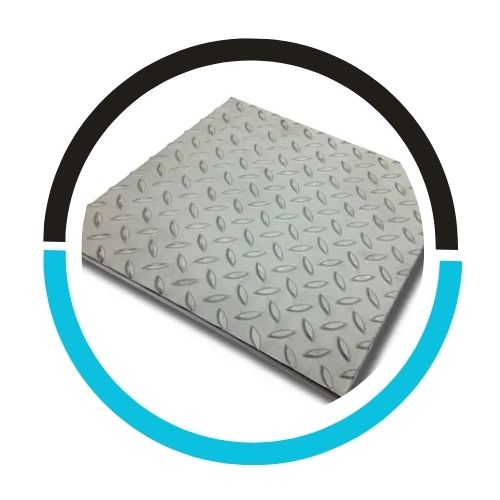
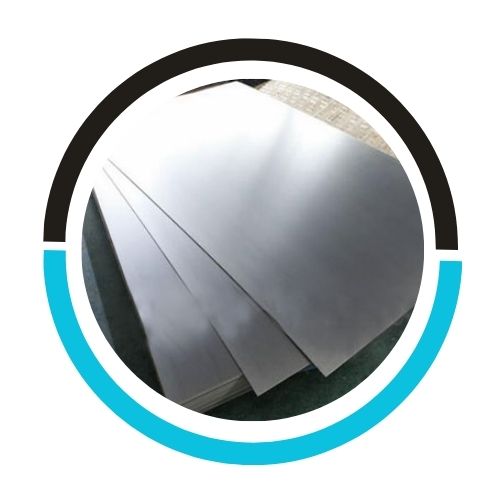
Hastelloy C22 Sheets and Plates serve applications as varied as the industries they support, led mainly by the aerospace, railway, construction and automotive sectors along with petrochemical, nuclear, medical, Oil & Gas, Chemical, Pharmaceutical, Food & Beverage, Nuclear, Thermal Power plants, Paper and Pulp, marine and mining, etc.
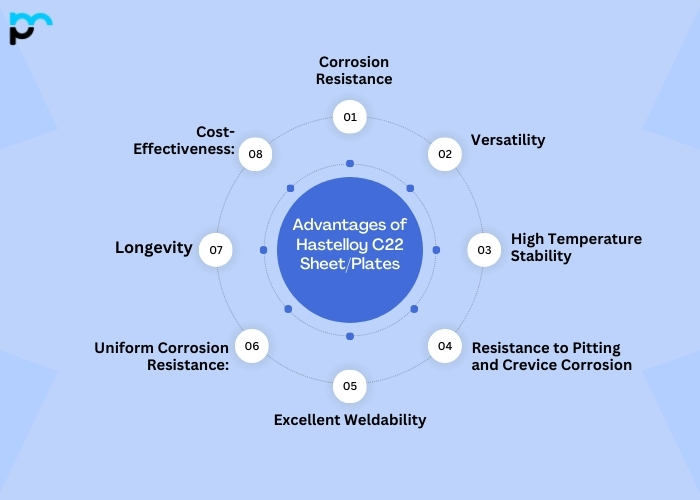
No Hastelloy C22 Sheets and Plates are rust-free. Owing to their makeup, which features substantial amounts of chromium, molybdenum, and tungsten, they offer strong resistance to corrosion, rust included. This alloy delivers superb defense across a range of corrosive settings, which makes Hastelloy C22 a perfect option for uses where resisting corrosion is essential.
Yes, Hastelloy C22 Sheets and Plates are suitable for use in high-temperature settings. They retain their mechanical properties and resistance to corrosion even at raised temperatures, which makes them appropriate for conditions where temperatures climb as high as 1250°F (677°C). The capacity of this alloy to endure elevated temperatures, together with its outstanding corrosion resistance, positions Hastelloy C22 as a superb option for a range of high-temperature uses across industries like chemical processing, aerospace, power generation, and beyond.
Hastelloy C22 Sheets and Plates offer strong protection against corrosion, especially in aggressive and corrosive settings. Nevertheless, it should be kept in mind that although they resist a broad spectrum of corrosive materials very well, no material is entirely impervious to corrosion in every situation. Correct handling, upkeep, and choosing suitable materials for particular environments are essential elements in guaranteeing the durability and corrosion resistance of Hastelloy C22 sheets/plates.
Yes Hastelloy C22 Sheets and Plates can be joined through standard welding processes including gas tungsten arc welding (GTAW), gas metal arc welding (GMAW), and shielded metal arc welding (SMAW). That said, it is important to apply suitable welding practices and filler materials, like Hastelloy C22 filler wire or electrode, to guarantee the soundness of the weld and preserve the alloy’s corrosion resistance characteristics. Care should likewise be taken to avoid the development of detrimental intermetallic phases and to retain the alloy’s mechanical properties throughout welding.
Phone Us: +91 7208967217
Email: sales@sumakhsteel.com