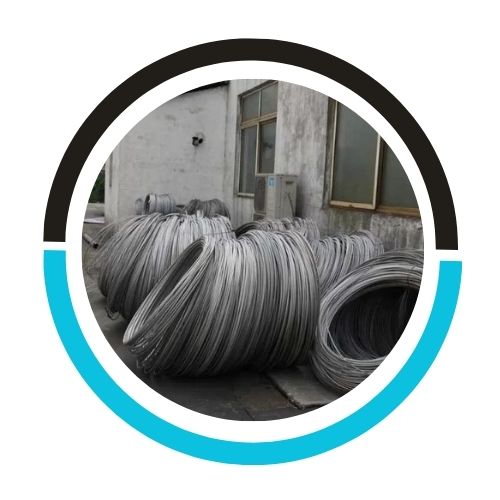
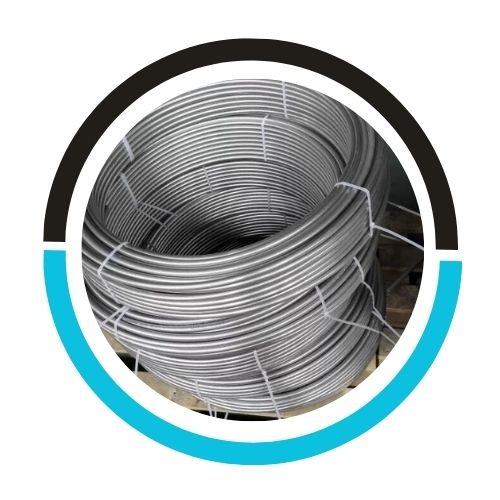
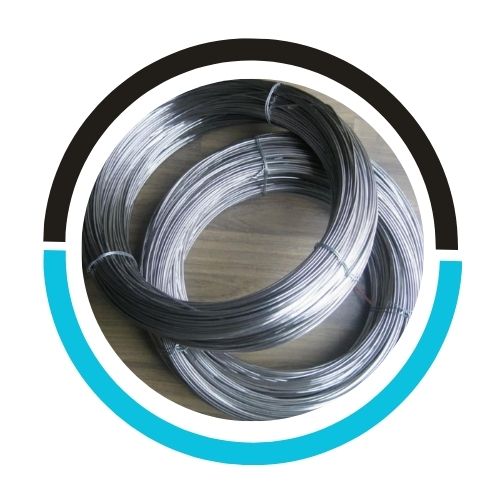
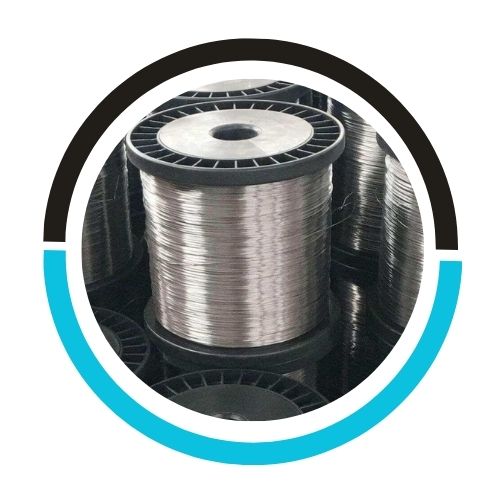
Hastelloy Wire Suppliers & Manufacturer, in California, USA
ONGC Certified ASTM B574 Hastelloy C22 Mig Wire Supplier in California, USA.
Table of Contents
Hastelloy wire stands out as a superior option among corrosion-resistant wiring solutions, renowned for its outstanding performance across a wide range of demanding applications. Manufactured from a carefully calibrated alloy composition, Hastelloy wire demonstrates extraordinary resistance to corrosive substances, rendering it essential across sectors spanning from aerospace to chemical processing. Its durable design delivers unwavering endurance against countless corrosive agents, encompassing aggressive chemicals and elevated-temperature settings, confirming its trustworthiness under the toughest circumstances. Acting as a foundation for structural integrity, Hastelloy wire embodies innovation, offering steadfast reliability and extended operational life, ensuring continuous performance throughout demanding operational requirements.
Hastelloy Wire Specifications
Specifications
ASTM B574 ASME SB574
Grades
Nickel Alloy C276/ C22 / B/ B3/ B2/ X / N / S / C4/ C-2000/ G-30/ G35
ASTM B574 Hastelloy C22 Wires Dimensions
ANSI/AWCI – 01 -1992 and ASTM E 2016-11 and RRW 360
ASME SB 574 Nickel Alloy C22 Wire s Resistance (μΩ.m)
as standard
Alloy C276 Wires Elongation (≥ %)
28-30
Surface
Polished bright, Smooth
ASTM B574 UNS N10276 Wires Technique
Cold Rolled, hot rolled
Hastelloy Wire Chemical Composition
class=”tableoverflow”>
Grade
C
Mn
Si
P
S
Cr
Mo
Fe
Co
Ni
V
W
Hastelloy C22
0.010 max
0.50 max
0.08 max
0.02 max
0.02 max
20.0-22.5
12.5 – 14.5
2 – 6
2.5 max
bal
0.35 max
2.5-3.5
Hastelloy Wire Mechanical Properties
Element
Density
Melting Point
Tensile Strength
Yield Strength (0.2%Offset)
Elongation
Hastelloy C22
8.69g/cm3
1399 °C (2550°F)
Psi – 1,00,000 ,MPa-690
Psi – 45000 , MPa – 310
45%
Top Hastelloy Wire Manufacturing Company in California
At Sumakhsteel, we’re proud to be the largest supplier and manufacturer in the USA, delivering advanced solutions for every one of your piping requirements. With cutting-edge manufacturing facilities strategically positioned across the USA, we maintain an extensive inventory of more than 25,000 tons of top-grade materials kept ready in stock.
Reach out to us for a fast quote tailored to your requirement.
We supply these Hastelloy Wire conforming to DIN, ISO, JIS or ANSI Standard.
Hastelloy 2.4819 Wires Price In USA, ASTM B574 C276 Hastelloy Wire Exporter In USA, Hastelloy Alloy C276 Coil Wire Manufacturer In USA.
Advantages of Hastelloy Wire
Corrosion Resistance: Hastelloy fibres offer strong resistance to corrosion from acids, chlorine, sulfur compounds, and other harsh chemicals. This quality makes them a good fit for hot spots in chemical plants, marine settings, and pollution control.
Resistance to creep and fatigue: Hastelloy wires show resistance to creep (deformation under a steady load over time) and fatigue (failure from conventional loading), which keeps them functional and accurate throughout long periods of use
Versatility: Hastelloy wires are adaptable and simple to fabricate, weld, and machine to satisfy particular design needs. They can serve in a range of applications across many industries, such as aviation, chemical processing, oil and gas, and pharmaceuticals.
Strength and durability: Hastelloy fibres deliver outstanding and excellent strength, giving reliability in demanding applications where mechanical stresses are a concern. This ensures durability and lowers the chance of premature failure.
High-Temperature Resistance: Hastelloy wires can endure high temperatures without sacrificing their mechanical properties. This makes furnace materials well suited for high-temperature uses like exhaust systems and gas turbines.
Types of Hastelloy Wire
Hastelloy C276 Wire
Hastelloy C276 Coil Wire
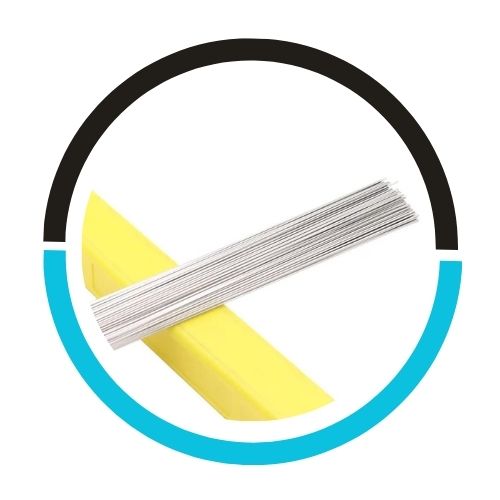
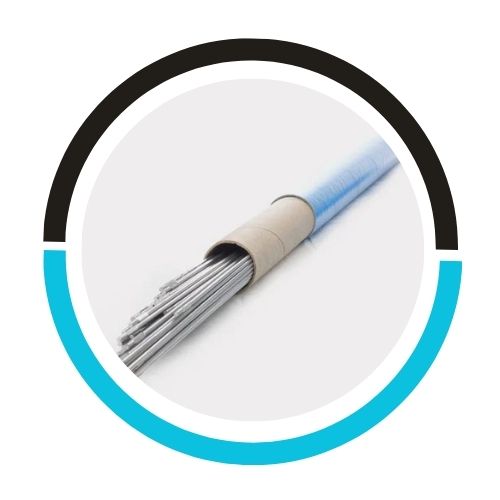
Hastelloy C276 Welding Wire
Hastelloy C276 Electrode Wire
Hastelloy C276 MIG Wire
Hastelloy C276 Tig Wire
Hastelloy Wire Uses
Application Industry
Hastelloy Wire uses are as varied as the sectors they serve, led mainly by the aerospace, railway, construction and automotive industries, along with petrochemical, nuclear, medical, Oil & Gas, Chemical, Pharmaceutical, Food & Beverage, Nuclear, Thermal Power plants, Paper and Pulp, marine and mining, etc.
Chemical Processing
Aerospace Engineering
Petro Chemical Industry
Power Generation Industry
Chemical applications: Hastelloy fibre is widely employed in the pharmaceutical sector for chemical degradation. It serves in reactors, distillation columns, heat exchangers, and other equipment that demands resistance to corrosion.
Pharmaceutical Industry: Hastelloy pipes serve in equipment like reactors, storage tanks and piping systems within the pharmaceutical sector, where cleanliness and corrosion resistance matter
Power generation: Hastelloy wires serve in boilers, steam, and other high-temperature and corrosive conditions within electrical equipment. They help prolong and deliver equipment life that can be relied upon.
Oil and Gas: Hastelloy pipes serve in the oil and gas sector for products in an acidic gas environment holding corrosive substances such as hydrogen sulfide (H2S) and for use in pipelines, valves, pumps and machinery at the bottom of a hole.
Aerospace: Hastelloy tubes serve in the aerospace sector, where components face harsh conditions such as high temperatures and hot weather. They are found in aircraft engines, turbine blades, exhaust vents, and other important areas.
How to Choose the Right Hastelloy Wire
Corrosion resistance: Hastelloy fibers are recognized for their outstanding resistance to corrosion across many demanding conditions. Identify the particular corrosive components involved in your application (for instance, acids, alkalis, seawater, etc.) and pick the Hastelloy grade that delivers the necessary resistance. Common grades include Hastelloy C-276, Hastelloy C-22 and Hastelloy B-2.
Cost: Hastelloy wires are available in numerous styles, each carrying its own price. Weigh your application’s business requirements against budget limits to select the most cost-efficient choice without sacrificing quality and reliability.
Fabrication Requirements: Think about how readily Hastelloy wire can be shaped and welded. Certain grades might be more appropriate for specific manufacturing methods or welding techniques than others.
Mechanical Properties: Identify the mechanical properties that matter for your application, such as tensile strength, yield strength, and ductility. Select a Hastelloy grade that satisfies these needs to guarantee strong performance and durability.
Heat resistance: Take into account the heat treatment of your application. Various types of hastelloy have differing maximum temperature limits. Ensure the selected wire can endure heat exposure without notable damage.
How do I maintain Hastelloy Wire?
To care for Hastelloy wire, clean it routinely using a gentle soap and water to get rid of grime and debris. Steer clear of harsh cleaners. Check it for indications of corrosion or damage. Keep it in a clean, dry setting to avoid oxidation. Refer to the manufacturer’s guidelines for detailed maintenance instructions.
FAQ (Frequently Asked Questions)
Are Hastelloy Wire recyclable?
Yes, Hastelloy wire can be recycled. It is possible to melt it down and repurpose it in manufacturing new Hastelloy products or different alloys. Recycling contributes to conserving resources and cutting down on waste, which makes it an eco-friendly option for industries that need corrosion-resistant materials.
Can Hastelloy Wire be used for structural applications?
Hastelloy wire is generally not used for structural applications because it has relatively low strength compared to other structural materials such as steel. It is mainly selected for its outstanding corrosion resistance in aggressive environments, which makes it well suited to applications where protection against corrosion is critical but not for providing structural support.
Are Hastelloy Wire susceptible to galvanic corrosion?
Hastelloy wire is susceptible to galvanic corrosion when it comes into contact with unlike metals under specific conditions. Choosing compatible materials and applying appropriate insulation techniques can reduce this risk. Furthermore, adopting cathodic protection measures can offer additional defense against galvanic corrosion in Hastelloy wire applications.