Home > Stainless Steel > Stainless Steel 446 Forgings
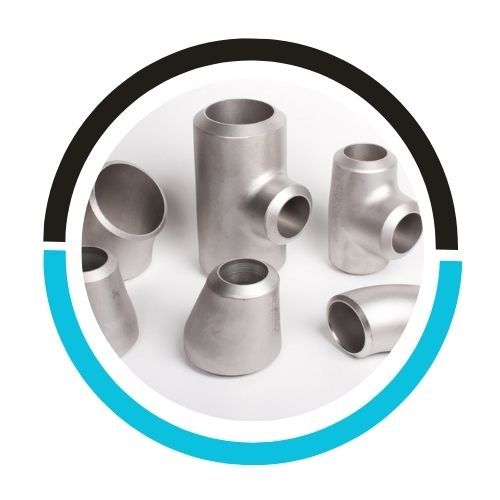
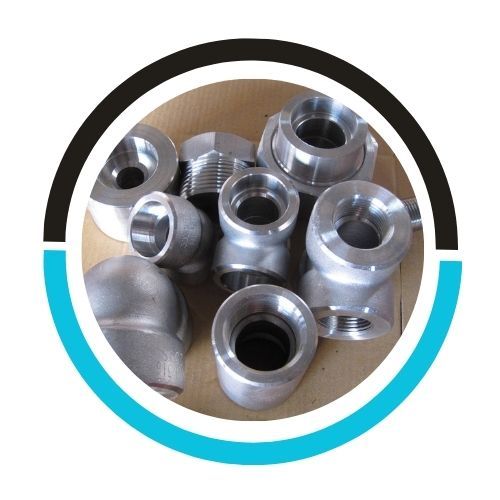
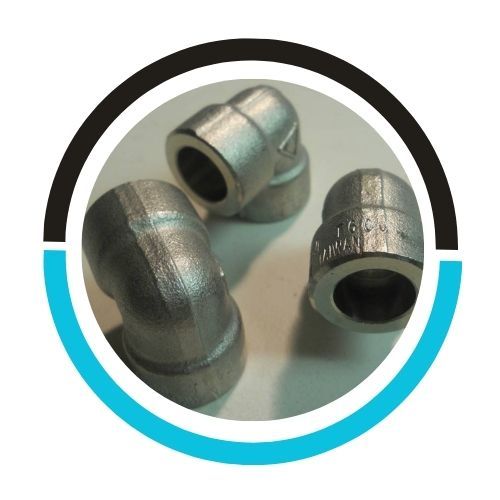
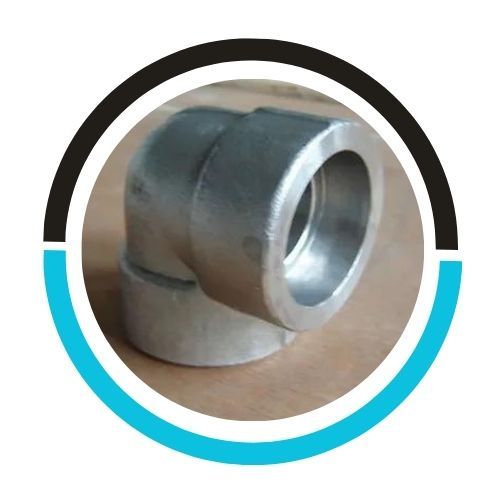
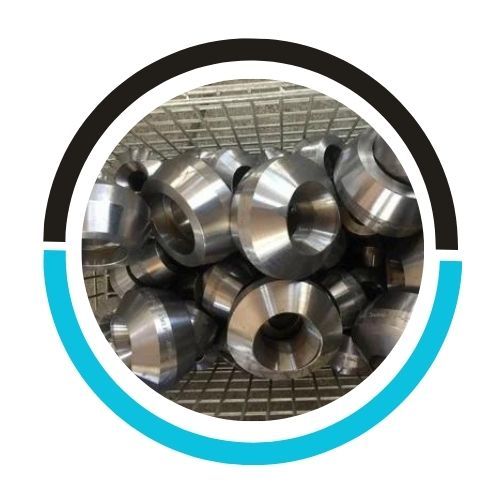
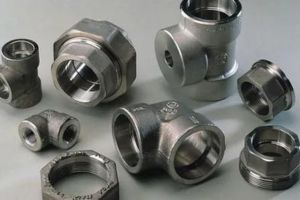
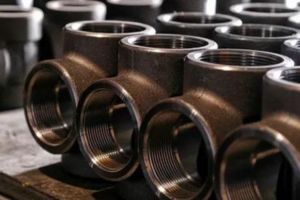
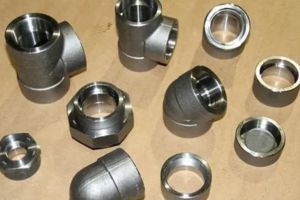
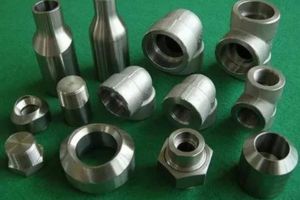
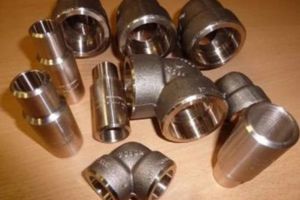
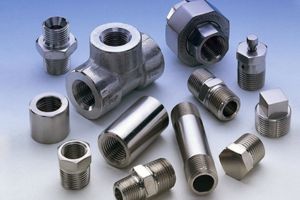
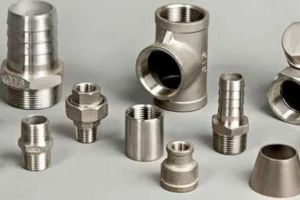
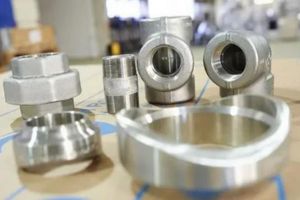
Our firm stands out in offering a varied range of Stainless Steel 446 Forgings sourced from leading suppliers celebrated for their stainless steel know-how. These forgings are meticulously custom-made to meet a broad spectrum of industry needs, providing adaptability in size, grades, and standards. Commonly employed across sectors such as automotive, aerospace, and food processing, they are valued for their exceptional corrosion resistance and long service life. Built with a robust microstructure, these 446 stainless steel forgings provide excellent strength and durability, guaranteeing dependable mechanical performance in a range of applications.
| Specifications | ASTM A182, ASME SA182 |
|---|---|
| Standard | DIN, ASTM, BS and all International Standards |
| Flat bar blocks | up to 27″ width and 15,000 lbs |
| Cylinders and sleeves | up to 50″ maximum O.D. and 65″ maximum length |
| Discs and hubs | up to 50″ diameter and 20,000 lbs |
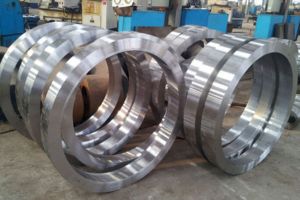
| Rolled, hand forged or mandrel forged rings | up to 84″ maximum O.D. and 40″ maximum length |
| Rounds, shafts and step shafts | up to 144″ maximum length and 20,000 lbs |
| Grade | C | Mn | Si | P | S | Cr | Mo | Ni | N |
| SS 446 | 0.08 max | 2 max | 0.75 max | 0.045 max | 0.030 max | 18 – 20 | – | 8 – 11 | – |
At Sumakhsteel, we’re proud to be the largest supplier and manufacturer in the USA, delivering advanced solutions for every one of your piping requirements. With cutting-edge manufacturing facilities positioned in key locations across the USA, we maintain an extensive stock of more than 25,000 tons of top-grade materials kept ready and available.
Reach out to us for a fast quote tailored to your requirement.
We provide these Stainless Steel 446 Forgings in accordance with DIN, ISO, JIS or ANSI Standard.
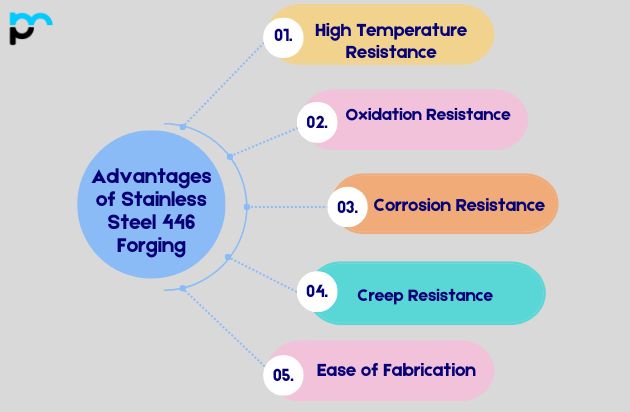
High Temperature Resistance: Stainless steel 446 is capable of enduring high temperatures reaching 1100-1150°C (2010-2100°F) during continuous operation. This property makes it well-suited for forging applications where frequent exposure to elevated temperatures occurs.
Oxidation Resistance: It offers outstanding resistance to oxidation, even under cyclic conditions, which is essential for applications in which the metal comes into contact with air at high temperatures.
Corrosion Resistance: Stainless steel 446 demonstrates strong corrosion resistance, especially in settings with elevated chloride levels. This quality makes it appropriate for forging components utilized in mildly corrosive settings.
Creep Resistance: It provides good creep strength at high temperatures, enabling it to preserve its mechanical properties under sustained exposure to heat and load.
Ease of Fabrication: Stainless steel 446 is comparatively simple to forge, weld, and machine when measured against certain other high-temperature alloys, which eases manufacturing processes.
Stainless Steel 446 Forgings serve uses as varied as the sectors they support, led chiefly by the aerospace, railway, construction and automotive sectors along with petrochemical, nuclear, medical, Oil & Gas, Chemical, Pharmaceutical, Food & Beverage, Nuclear, Thermal Power plants, Paper and Pulp, marine and mining, etc.
High-Temperature Furnace Components: Stainless steel 446 is frequently employed in producing parts for high-temperature furnaces and machinery where temperatures may climb as high as 1100-1150°C (2010-2100°F). Examples include radiant tubes, muffles, retorts, and conveyor belts.
Thermal Processing Equipment: It finds use in thermal processing systems like kilns, annealing covers, and combustion chambers where withstanding oxidation and thermal cycling is essential.
Chemical Processing: Parts such as reactors, heat exchangers, and boiler baffles in chemical processing facilities take advantage of stainless steel 446’s ability to resist corrosion from acids, alkalis, and sulfurous atmospheres.
Temperature Requirements: Establish the highest working temperature required for your application. Stainless steel 446 performs well in continuous use up to approximately 1100-1150°C (2010-2100°F). Confirm that the forgings can handle the temperatures they will encounter without degrading their mechanical properties.
Corrosion Resistance: Assess the setting in which the forgings will operate. Stainless steel 446 provides solid resistance to oxidation and corrosion in moderately corrosive settings, though it may fall short in strongly acidic or chloride-heavy environments when compared to austenitic stainless steels. Verify that it aligns with the particular corrosion resistance demands of your application.
Mechanical Properties: Take into account the mechanical properties your application calls for, including tensile strength, yield strength, and hardness. Stainless steel 446 delivers good creep strength and resistance to thermal cycling, but confirm that the forgings satisfy the mechanical load and stress needs of your equipment.
Stainless steel 446 forgings typically resist galvanic corrosion because of their high chromium content, which creates a protective oxide layer. That said, in particular environments involving dissimilar metals and electrolytes, galvanic corrosion may still take place, requiring careful evaluation of the application conditions to avoid potential problems
When choosing stainless steel 446 forgings, take into account their resistance to high temperatures (up to 1100-1150°C), oxidation resistance, corrosion resistance in moderate settings, mechanical properties well-suited for high-stress uses, ease of fabrication, and adherence to industry standards. Assess the specific requirements of your application to guarantee the best performance and durability.
Yes, Stainless steel 446 forgings can be recycled. Similar to other stainless steels, they are able to go through conventional scrap metal recycling methods. Recycling stainless steel contributes to preserving natural resources, lowers energy use, and cuts down on waste during manufacturing, which makes it an eco-friendly and sustainable option.
Stainless steel 446 forgings typically do not need corrosion protection coatings because of their built-in resistance to oxidation and moderate corrosion across many environments. That said, under aggressive or highly corrosive conditions, suitable coatings or surface treatments might be considered to improve durability and performance.
Phone Us: +91 7208967217
Mail: sales@sumakhsteel.com