Home > Stainless Steel > Stainless Steel 316 Forgings
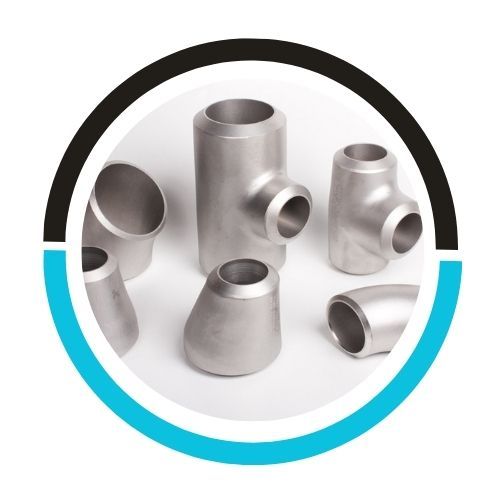
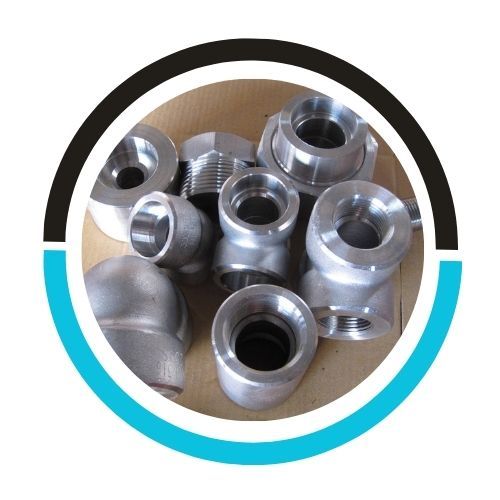
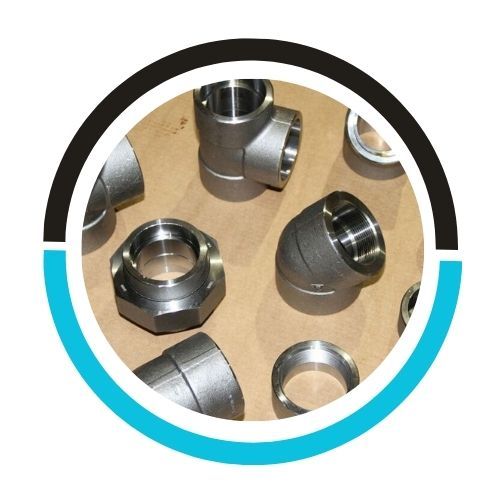
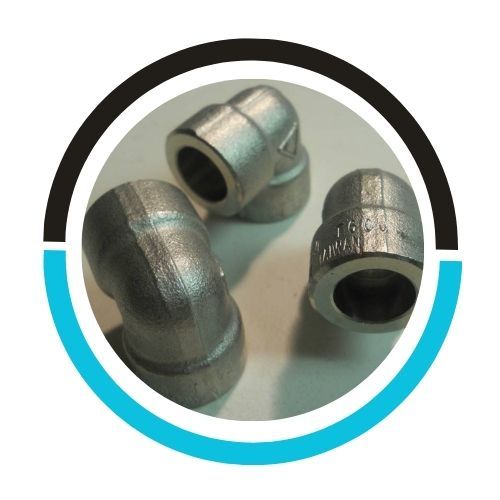
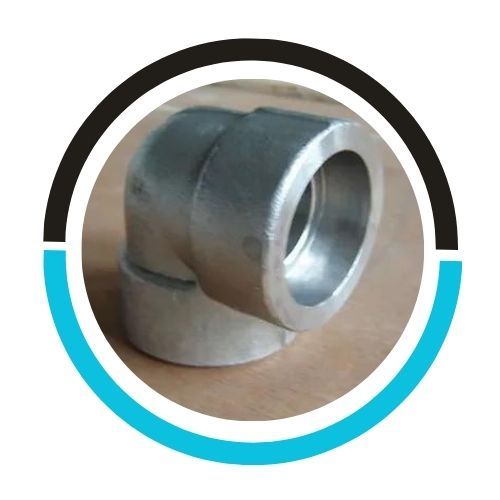
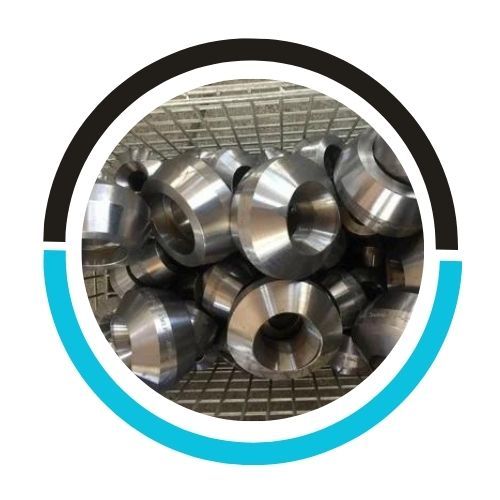
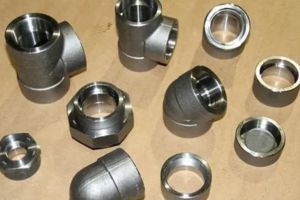
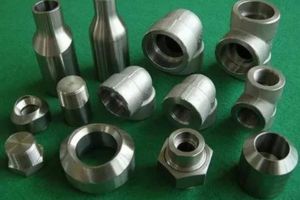
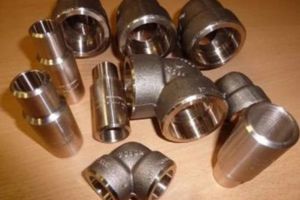
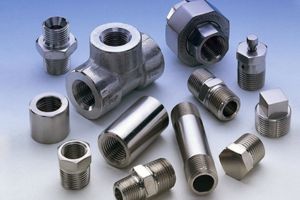
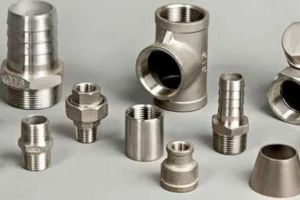
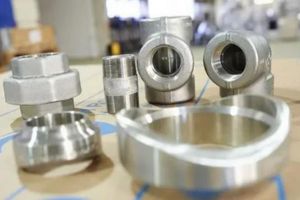
Our company focuses on providing an extensive selection of Stainless Steel 316L Forgings obtained from respected suppliers celebrated for their proficiency in stainless steel. These custom-built forgings are meticulously tailored to satisfy varied industry requirements, delivering flexibility in size, grades, and specifications. Broadly used in vital fields like marine, pharmaceuticals, and chemical processing, they are valued for their outstanding resistance to corrosion and elevated temperatures. Designed with a sturdy microstructure, these 316 stainless steel forgings deliver unmatched strength and durability, ensuring reliable performance in challenging applications.
| Specifications | ASTM A182, ASME SA182 |
|---|---|
| Standard | DIN, ASTM, BS and all International Standards |
| Flat bar blocks | up to 27″ width and 15,000 lbs |
| Cylinders and sleeves | up to 50″ maximum O.D. and 65″ maximum length |
| Discs and hubs | up to 50″ diameter and 20,000 lbs |
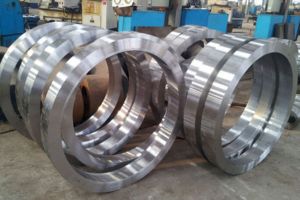
| Rolled, hand forged or mandrel forged rings | up to 84″ maximum O.D. and 40″ maximum length |
| Rounds, shafts and step shafts | up to 144″ maximum length and 20,000 lbs |
| Grade | C | Mn | Si | P | S | Cr | Mo | Ni | N |
| SS 316L | 0.035 max | 2.0 max | 1.0 max | 0.045 max | 0.030 max | 16.00 – 18.00 | 2.00 – 3.00 | 10.00 – 14.00 | 68.89 min |
| Density | Melting Point | Tensile Strength | Yield Strength (0.2%Offset) | Elongation |
| 8.0 g/cm3 | 1399 °C (2550 °F) | Psi – 75000 , MPa – 515 | Psi – 30000 , MPa – 205 | 35 % |
At Sumakhsteel, we take great pride in being the largest supplier and manufacturer in the USA, delivering advanced solutions for every one of your piping requirements. With cutting-edge manufacturing facilities strategically situated in the USA, we maintain an extensive stock of more than 25,000 tons of top-grade materials ready and available on hand.
Reach out to us to receive a fast quote for your requirement.
We supply these Stainless Steel 316L Forgings conforming to DIN, ISO, JIS or ANSI Standard.
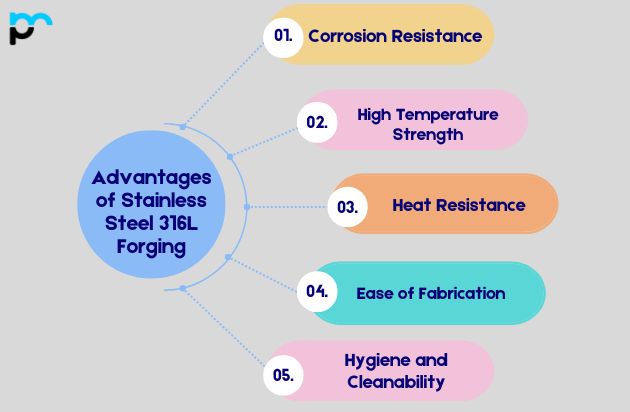
Corrosion Resistance: Stainless Steel 316L provides outstanding protection against corrosion, which makes it well-suited for deployment across a range of settings, such as the marine and chemical processing sectors. This protection comes from its elevated chromium (16-18%) and molybdenum (2-3%) levels.
Strength and Durability: 316L stainless steel delivers strong mechanical characteristics, such as high tensile strength and toughness. As a result, it works well for uses that demand considerable strength and durability.
Heat Resistance: It retains its mechanical characteristics under both hot and cold conditions. This trait is essential in uses where temperature swings are substantial.
Ease of Fabrication: Stainless Steel 316L can be readily forged and machined. Using conventional forging methods, it can be shaped into a variety of forms and dimensions, which gives it flexibility across different manufacturing processes.
Hygiene and Cleanability: It cleans easily and offers strong hygiene characteristics, which makes it appropriate for uses in the food, pharmaceutical, and medical fields where cleanliness is essential.
Stainless Steel 316L Forgings serve applications as varied as the industries that use them, led chiefly by the aerospace, railway, construction and automotive sectors, along with petrochemical, nuclear, medical, Oil & Gas, Chemical, Pharmaceutical, Food & Beverage, Nuclear, Thermal Power plants, Paper and Pulp, marine and mining, etc.
Marine and Coastal Applications: Thanks to its outstanding resistance to corrosion, 316L stainless steel forgings see broad use in marine settings for parts such as boat fittings, shafts, propellers, and underwater pipelines.
Chemical and Petrochemical Industry: Because they strongly resist corrosion and acids, 316L forgings work well for equipment and components in chemical processing plants, including valves, pumps, tanks, and heat exchangers.
Food and Beverage Processing: Stainless Steel 316L is the material of choice for food processing equipment thanks to its hygienic characteristics and its ability to withstand corrosion from food acids and sanitizing agents. It serves in forged parts such as mixing tanks, piping, and fittings.
Mechanical Properties: Assess the mechanical performance criteria—including tensile strength, yield strength, and toughness—that your components require. Stainless Steel 316L delivers solid mechanical properties well-suited to a broad range of applications, though the exact demands can differ based on the load and stress conditions involved.
Temperature Resistance: Take into account the temperature range across which the forgings will function. Stainless Steel 316L retains both its strength and corrosion resistance at elevated and low temperatures alike, which makes it appropriate for applications facing changing thermal conditions.
Fabrication and Machinability: Determine whether forging Stainless Steel 316L into the shapes and sizes your components call for is practical. Weigh aspects like ease of machining, welding, and forming so that the material aligns with your manufacturing processes.
Stainless Steel 316L forgings typically resist galvanic corrosion when joined with compatible metals, owing to their noble character and passive oxide film. Nevertheless, in some harsh environments or when combined with dissimilar metals, measures should be adopted to guard against galvanic corrosion via appropriate design and material choice.
When choosing Stainless Steel 316L forgings, take into account corrosion resistance across varied environments, mechanical strength for load-bearing uses, temperature stability, ease of manufacturing, and fitness for hygiene-critical industries. Confirm compatibility with other materials to avoid galvanic corrosion and meet regulatory standards for particular applications.
Yes, Stainless Steel 316L forgings offer excellent recyclability. They can be remelted and reused without any loss of their beneficial characteristics. Compared to manufacturing new materials, recycling stainless steel lowers energy usage and lessens environmental impact, making it a sustainable option across a range of industries.
Stainless Steel 316L forgings typically don’t need corrosion protection coatings because of their built-in corrosion resistance stemming from chromium and molybdenum content. That said, in extremely corrosive settings or particular applications, coatings such as paints or epoxy might be applied to offer extra defense against localized corrosion or wear.
Phone Us: +91 7208967217
Mail: sales@sumakhsteel.com