Copper Nickel Coils

Home > Copper Nickel > Copper Nickel Coils

Copper Nickel Coils Manufacturer and Supplier in California, USA

Copper Nickel Coils Exporter, Copper Nickel Cold Rolled Coils Stockist, Copper Nickel Hot Rolled Coils, Copper Nickel Cold Rolled Coils Manufacturer and Supplier in California, USA.

Table of Contents

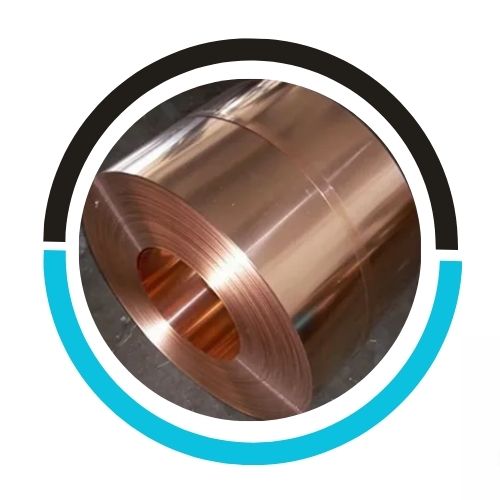
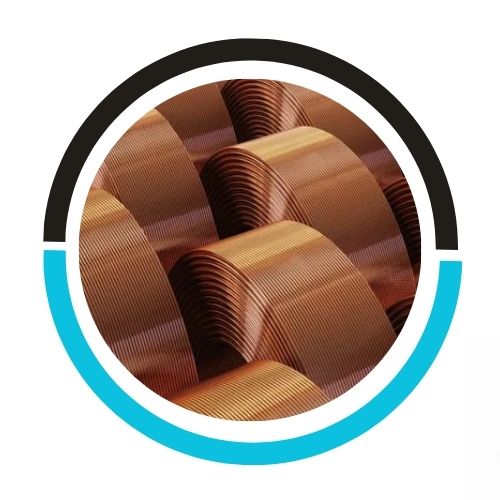
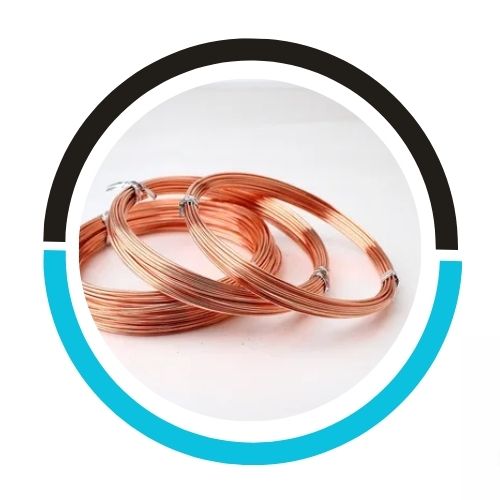
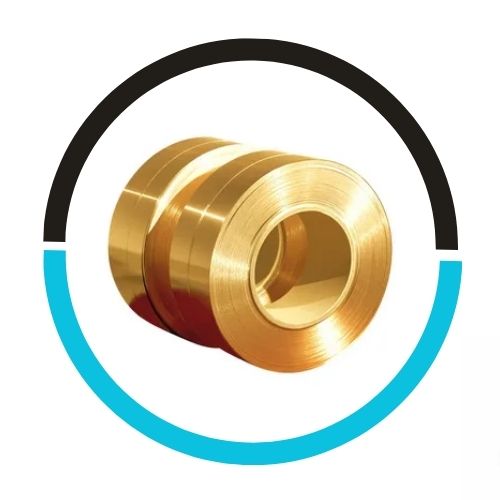
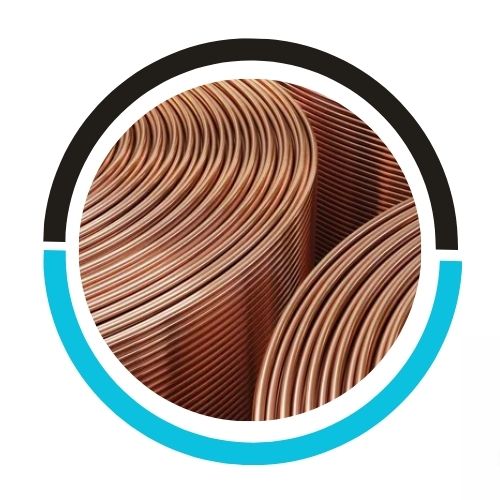
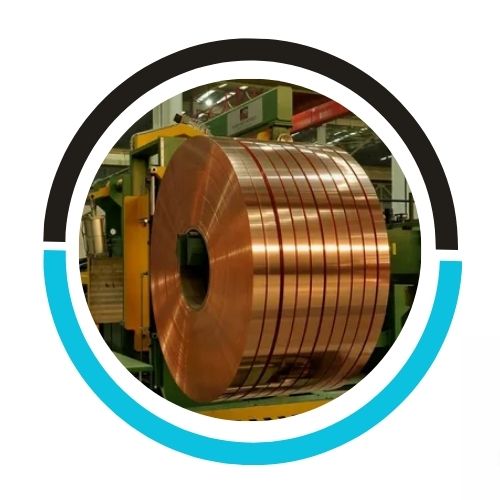
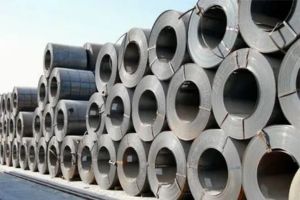
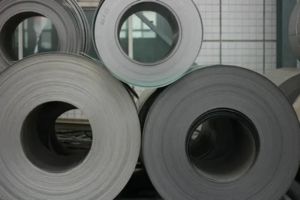
Copper Nickel Coils are vital elements recognized for their outstanding resistance to corrosion and thermal conductivity. Made mainly from copper with differing amounts of nickel, generally between 5% and 30%, these coils find broad application in marine engineering, offshore oil and gas, and HVAC systems. Because they withstand seawater corrosion and biofouling, they are perfectly suited to uses like heat exchangers, condensers, and piping systems within marine settings. On top of that, their strong thermal conductivity makes them appropriate for heat transfer purposes in HVAC systems, refrigeration units, and power generation. Copper nickel coils provide a dependable and economical option for industries that need durable, corrosion-resistant, and heat-conducting materials in coil form.

Copper Nickel Coils Specifications

GradesCu-Ni 90/10, Cu-Ni 70/30
Thickness0.1mmThk To 3 mm Thk
Width3.2mm To 1500mm
LengthAS PER CUSTOMER’S REQUIREMENT
Type of MaterialCupro Nickel SOFT, DEEP DRAW, EXTRA DEEP DRAW, QUARTER HARD, HALF HARD, FULL HARD.
FormCoil / Strip
Test CertificateYes.
FinishNO.1, 2B, 2D, 2H, 2R, No.4, HAIRLINE, SCOTCH BRITE, SATIN FINISH, NO.8, BA.
MakeBAHRU, POSCO KOREA, POSCO THAINOX, COLUMBUS, ACERINOX, APERAM, TISCO, NISSHIN, NIPPON AND MANY MORE MILLS.

Mechanical Properties of Copper Nickel Coils

Property Units 90-10 70-30
Density kg/dm3 8.90 8.95
Melting point °C 1100-1145 1170-1240
Specific heat J/KGK 377 377
Thermal conductivity W/mK 50 29
Linear expansion coefficient 10-300°C 10-6/K 17 16
Electrical resistivity Micro-ohm/cm 19 34
Modulus of elasticity GPa 135 152
Modulus of rigidity GPa 50 56

Copper Nickel Coils Chemical Compositions

Grade Cu Pb Fe Zn Mn Ni+Co
C70400 Balance ≤ 0.05 1.3-1.7 ≤ 1.0 0.3-0.8 4.8-6.2
C70600 Balance ≤ 0.05 1.0-1.8 ≤ 1.0 ≤ 1.0 9.0-11.0
C71000 Balance ≤ 0.05 0.5-1.0 ≤ 1.0 ≤ 1.0 19.0-23.0
C71500 Balance ≤ 0.05 0.4-1.0 ≤ 1.0 ≤ 1.0 29.0-33.0

Copper Nickel Finish Coils, Copper Nickel Shim Sheets Coils, Cu-Ni Coils, Copper Nickel Coil Manufacturer and Supplier in California, USA.

Top Copper Nickel Coils Manufacturing Company in California

At Sumakhsteel, we take great pride in being the largest supplier and manufacturer in the USA, delivering advanced solutions for every one of your piping requirements. Backed by modern production facilities strategically situated in the USA, we maintain an extensive inventory of more than 25,000 tons of top-grade materials kept ready in stock.

Available Copper Nickel Coils Grades

Reach out to us for a fast quote tailored to your requirement.

We supply these Copper Nickel Coils conforming to DIN, ISO, JIS or ANSI Standard.
Manufacturer of Copper Nickel Coils, Copper Nickel Coil, Copper Nickel Coils Stockist, Copper Nickel Coils Manufacturer and Supplier in Texas, USA.

Advantages of Copper Nickel Coils

Advantages of Copper Nickel Coils
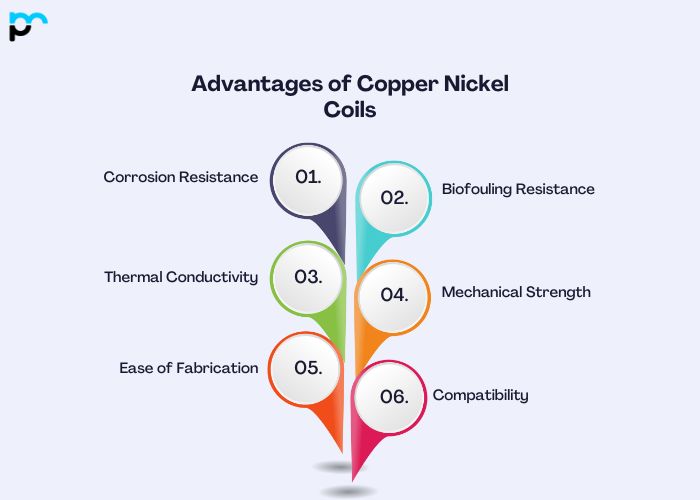
  • Corrosion Resistance: Copper nickel coils provide outstanding resistance to corrosion, especially in seawater conditions, which makes them well suited for marine and offshore uses.
  • Biofouling Resistance: Because they resist biofouling, the buildup of marine organisms on surfaces, they cut down on maintenance needs and prolong the service life of equipment used in seawater settings.
  • Thermal Conductivity: Copper nickel coils possess high thermal conductivity, enabling effective heat transfer in heat exchangers, condensers, and HVAC systems.
  • Mechanical Strength: Offering solid mechanical strength and ductility, copper nickel coils can endure the high-pressure and high-stress conditions found in a variety of industrial applications.
  • Ease of Fabrication: Copper nickel alloys can be readily formed into coils, permitting intricate shapes and configurations that satisfy particular design needs.
  • Compatibility: They work well with a broad array of materials, including other metals and alloys, enabling flexible use across many different applications.

Types of Copper Nickel Coils

Copper-Nickel-Round-Coils-in USA
Copper Nickel Round Coils
Copper-Nickel-Hot-Rolled-Coils in USA
Copper Nickel Hot Rolled Coils
Copper-Nickel-Shim-Coils in USA
Copper Nickel Shim Coils
Copper-Nickel-Bright-Coils in USA
Copper Nickel Bright Coils
Copper Nickel Coils
Copper Nickel Finish Coils

Copper Nickel Coils Uses

Application Industry

Copper Nickel Coils serve applications as varied as the industries that use them, led chiefly by the aerospace, railway, construction and automotive industries along with petrochemical, nuclear, medical, Oil & Gas, Chemical, Pharmaceutical, Food & Beverage, Nuclear, Thermal Power plants, Paper and Pulp, marine and mining, etc.

Oil & Gas Industry

Aviation Industry

Petro Chemical Industry

Power Generation Industry

  • Marine Engineering: Owing to their outstanding resistance to corrosion, copper nickel coils are widely applied in marine engineering for seawater uses including heat exchangers, condensers, piping systems, and desalination plants.
  • Offshore Oil and Gas: On offshore oil and gas platforms, these coils are used in equipment such as heat exchangers, piping systems, and subsea pipelines, where withstanding seawater corrosion and biofouling is essential.
  • HVAC Systems: Because of their high thermal conductivity, copper nickel coils are applied in heating, ventilation, and air conditioning (HVAC) systems, enabling effective heat transfer in air handlers, chillers, and heat pumps.
  • Chemical Processing: They serve in chemical processing equipment like reactors, tanks, and heat exchangers, where resistance to corrosion from aggressive chemicals is vital.
  • Desalination Plants: In desalination plants that turn seawater into frewater, copper nickel coils are essential, since they can endure the corrosive character of seawater and deliver efficient heat transfer throughout the desalination process.
  • Power Generation: Within power generation facilities, copper nickel coils are applied in steam condensers, cooling water systems, and heat exchangers, where corrosion resistance and thermal conductivity are essential for efficient operation.
  • Shipbuilding: Shipbuilding industries make use of copper nickel coils for numerous onboard applications, including piping systems, heat exchangers, and condensers, where they endure the harsh marine environment.

How to Choose the Right Copper Nickel Coils

  • Consider Composition: Identify the particular copper nickel alloy makeup that fits your application, such as Cu-Ni 90/10 or Cu-Ni 70/30, guided by considerations like corrosion resistance and mechanical properties.
  • Assess Corrosion Resistance: Assess the environmental conditions and any corrosive agents present in the application in order to choose a copper nickel coil with suitable corrosion resistance characteristics.
  • Temperature and Pressure Ratings: Verify that the selected coils can handle the operating temperatures and pressures of your system to avoid early failure or damage.
  • Size and Dimensions: Align the size and dimensions of the coils with your system’s needs, taking into account aspects like diameter, thickness, and length to maximize performance and efficiency.
  • Compatibility with Fluids: Make sure the copper nickel coils work well with the fluids or gases they will contact, accounting for factors such as pH levels and chemical composition to prevent corrosion or contamination problems.
  • Certifications and Standards: Verify whether the coils comply with industry standards and certifications for quality, safety, and performance, such as ASTM, ASME, or DIN standards, to guarantee reliability and compliance.
  • Budget and Cost Efficiency: Weigh the upfront cost of the coils against their long-term performance and maintenance needs to select an option that delivers the best value for your investment.

Can Copper Nickel Coils be Welded?

Yes Copper Nickel Coils are weldable through a range of welding methods including gas tungsten arc welding (GTAW), shielded metal arc welding (SMAW), and resistance welding. That said, because of their distinctive characteristics and high thermal conductivity, particular care and specialized techniques are frequently needed to produce top-quality welds. Warming the material beforehand, choosing suitable welding parameters, and employing filler materials that work well with copper nickel alloys are crucial measures for achieving successful welding. On top of that, heat treatment after welding might be required to alleviate leftover stresses and improve the mechanical qualities of the welded joint. In summary, when the right expertise and methods are applied, copper nickel coils can be welded efficiently to satisfy the demands of a wide array of industrial applications.

FAQ (Frequently Asked Questions)

Are Copper Nickel Coil Recyclable?

Yes, Copper nickel coils can be recycled. Copper and nickel are valuable metals widely used across many industries, including heating and cooling systems where coils are common. Recycling these coils helps preserve natural resources, lowers energy use, and reduces environmental impact. The procedure entails melting the coils down to recover the metals for reuse in new products, making it a sustainable and economically practical approach.

Does Copper Nickel Coils Corrode?

Copper nickel coils are celebrated for their outstanding corrosion resistance, especially in marine settings and upon contact with seawater. The nickel content within the alloy boosts its ability to withstand corrosion, rendering it well suited for uses where corrosion poses a risk. That said, like any material, copper nickel can deteriorate under severe conditions or in extremely harsh environments. Appropriate upkeep and preventive steps can help reduce corrosion and prolong the service life of copper nickel coils.

Can Copper Nickel Coils be used for Natural Gas?
Copper nickel coils typically should not be used with natural gas. Although copper is frequently chosen for gas lines because of its resistance to corrosion and its malleability, copper nickel alloys—especially those containing a high proportion of nickel—can react with the sulfur compounds found in natural gas, resulting in corrosion and possible safety risks. It is recommended to select materials that are specifically engineered and certified for natural gas use to guarantee both safety and durability.

Other Coils Material

Post Enquiry

Fill out the form below, and we will be in touch shortly.