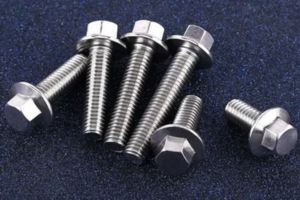
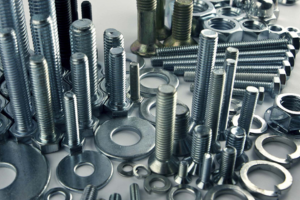
ASTM A 453 GR 660 Class D Stud Bolts Manufacturer Supplier & Exporter in California, USA
ASTM A453 Gr 660 Class D Stud Bolt, ASME SA 453 GR 660 CLASS D Stainless Steel Threaded Rods, SS ASTM A453 Tie Rod, Gr 660 Class D Tie Bar in California, USA.
Table of Contents
ASTM A453 Grade 660 Class D Stud Bolts are high-strength fasteners engineered for extreme conditions, delivering outstanding mechanical properties and resistance to corrosion. They serve demanding uses such as petrochemical plants and offshore rigs, guaranteeing reliable joints under conditions of high pressure and temperature.
ASTM A 453 GR 660 Class D Stud Bolts Specifications
Material
Dimensions
Standards
Size
Length
ASTM A 453 GR 660 CLASS D Studbolts
ASME B18.2.1, B18.3
ASTM, ASME
M 02 to M 160
3 mm to 200 mm
Mechanical Properties of ASTM A 453 GR 660 Class D Stud Bolts
ASTM A 453 GR 660 Class D Stud Bolts Chemical Composition
Element
Content
Carbon
0.08 max
Manganese
2.00 max
Phosphorus, max
0.040 max
Sulfur, max
0.030 max
Silicon
1.00 max
Nickel
24.0-27.0
Chromium
13.5-16.0
Molybdenum
1.00-1.50
Tungsten
–
Titanium
1.9-2.35
Aluminum
0.35 max
Vanadium
0.10-0.50
Boron
0.001-0.010
ASTM A453 Gr 660 Class D Stud Bolts in Texas, Gr 660 Class D Allen Cap Screw, Gr 660 Threaded Rod in Texas, USA.
Top ASTM A 453 GR 660 Class D Stud Bolts Manufacturing Company in California
At Sumakhsteel, we take great pride in being the largest supplier and manufacturer in the USA, delivering advanced solutions for all your piping requirements. With cutting-edge production facilities strategically situated in the USA, we maintain an extensive inventory of more than 25,000 tons of top-quality materials kept ready in stock.
Reach out to us for a fast quote tailored to your requirement.
We provide these ASTM A 453 GR 660 Class D Stud Bolts in accordance with DIN, ISO, JIS or ANSI Standard.
SS ASTM A453 Stud Bolt in Texas, ASTM A453 Gr 660 Class D Stud Bolts, ASTM A453 Double Ended Stud Supplier and Exporter in California, USA
Advantages of ASTM A 453 GR 660 Class D Stud Bolts
High Strength: ASTM A453 Grade 660 Class D stud bolts deliver outstanding tensile strength, which makes them well suited for high-pressure applications.
Corrosion Resistance: These bolts show excellent resistance to both corrosion and oxidation, an essential quality for settings involving contact with aggressive chemicals or marine conditions.
Temperature Stability: They preserve their mechanical integrity and performance under high temperatures, which makes them perfect for use in heat-intensive sectors such as power generation.
Reliability: Produced in accordance with rigorous ASTM standards, they guarantee dependable performance and durability, lowering the chance of joint failures in critical applications.
Versatility: Appropriate for a broad array of industries including oil and gas, petrochemicals, and aerospace, these bolts offer flexible solutions for diverse bolting requirements.
Types of ASTM A 453 GR 660 Class D Stud Bolts
Stainless Steel GR 660 threaded rod
ASTM A 453 Eye Bolt
Stainless Steel Gr 660 Draw Bolt
ASTM A453 Stud Bolts
SS Grade 660 Plow Bolt
Grade 660 Hanger Bolt
SS ASTM A453 Stud Bolt in Texas, ASTM A 453 Gr 660 Class D Stud Bolts, ASTM A 453 Double Ended Stud Supplier and Exporter in Texas, USA.
Application Industry
ASTM A 453 GR 660 Class D Stud Bolts find uses that are as varied as the industries relying on them, led mainly by the aerospace, railway, construction and automotive industries along with petrochemical, nuclear, medical, Oil & Gas, Chemical, Pharmaceutical, Food & Beverage, Nuclear, Thermal Power plants, Paper and Pulp, marine and mining, etc.
Automotive Industry
Construction Sector
Aerospace Applications
Oil and Gas Industry
Are ASTM A 453 GR 660 Class D Stud Bolts Susceptible to galvanic corrosion?
ASTM A453 Grade 660 Class D stud bolts are typically resistant to galvanic corrosion because of their makeup, which frequently incorporates materials such as nickel and chromium. These alloys develop protective oxide layers that assist in reducing galvanic reactions when they come into contact with dissimilar metals. Nevertheless, appropriate material selection and surface treatments should still be taken into account to reduce potential risks in environments where galvanic corrosion might arise, particularly in marine or highly corrosive conditions. Routine maintenance and compliance with industry standards for installation and use further improve their resistance to galvanic corrosion.